

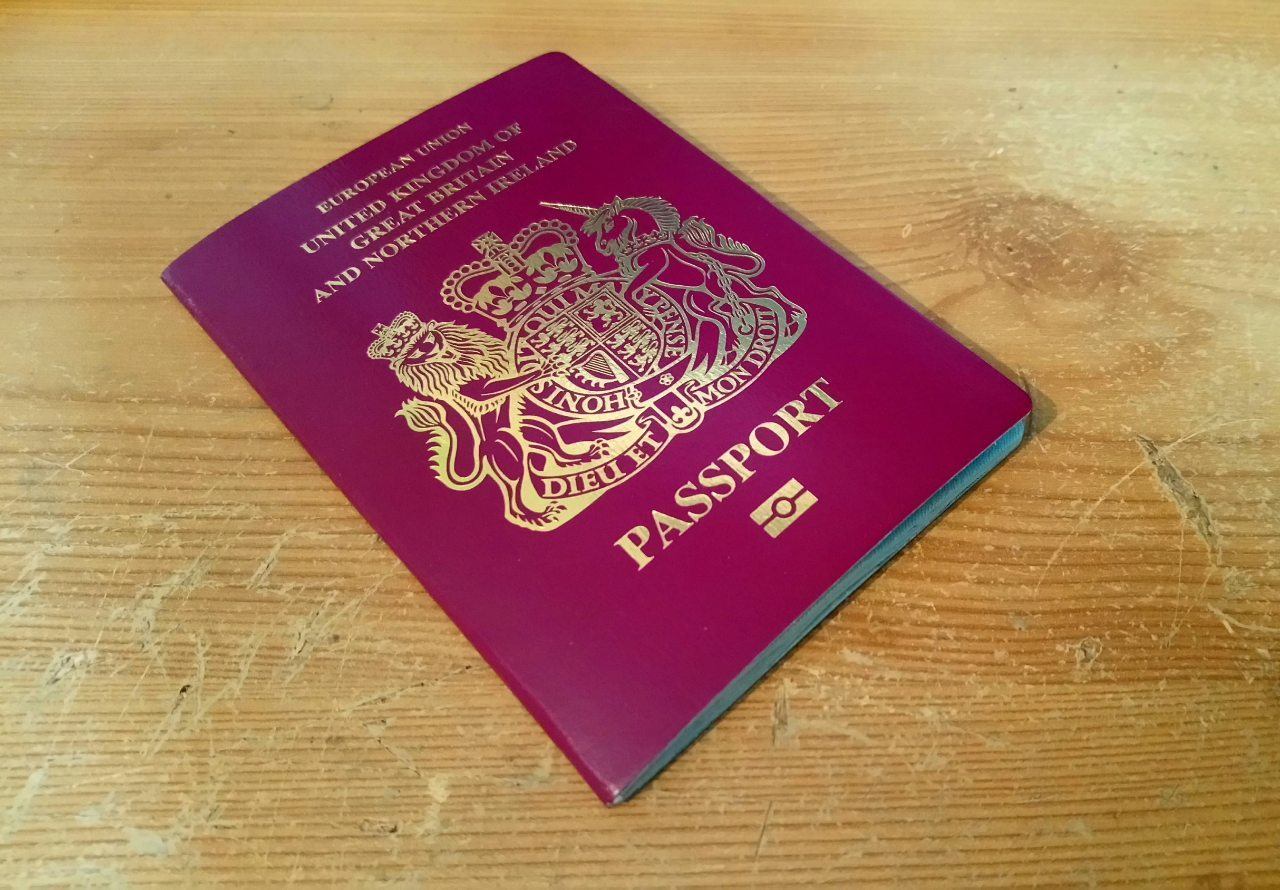
To get a UK passport, you must have British nationality and meet specific eligibility requirements set by HM Passport Office. The process costs a fee, requires you to gather documents like proof of identity and citizenship, complete an online form, and attend a passport appointment.
Eligibility Requirements for a UK Passport
Before you begin the process of obtaining a UK passport, it's important to ensure that you meet the eligibility requirements set by HM Passport Office. Here are the key criteria:
- You must have British nationality to apply for a UK passport.
- If you were born on or after January 1, 1983, eligibility may depend on your parents' citizenship or immigration status; check the official guidelines for your circumstances.
- If you were born before January 1, 1983, your eligibility may depend on your citizenship status before 1983; check the official guidelines.
- If you have changed your name, you may need to provide legal documents to support the change.
- If you are under the age of 16, you will need consent from a parent or guardian to apply for a passport.
- For infants, there may be additional requirements; check the official guidelines.
These are the basic eligibility requirements, but there may be specific circumstances or additional criteria that apply to certain individuals. It's crucial to review the detailed eligibility guidelines provided by HM Passport Office to ensure you meet all the necessary requirements.
If you do not meet the eligibility criteria for a UK passport, there may be other options available, such as applying for a visa or seeking citizenship through alternative routes. It's advisable to consult with the relevant authorities or seek legal advice to explore alternate options if needed.
Now that you know the eligibility requirements, let's move on to the next step: gathering the required documents.
Gathering the Required Documents
Once you've established that you meet the eligibility requirements, the next step in obtaining a UK passport is gathering the required documents. These documents are essential for confirming your identity, citizenship, and any necessary supporting information. Here's a list of the key documents you'll need:
- Proof of identity: You will need to provide an original document that proves your identity, such as a valid driver's license, national identity card, or existing passport, as specified in the official guidelines.
- Proof of citizenship: You'll need to provide evidence of your British citizenship, such as a birth certificate, certificate of registration, or naturalization certificate, as specified in the official guidelines.
- Passport-sized photographs: You'll be required to submit identical color photographs that meet specific criteria; check the guidelines for the number needed based on your application method. It's important to follow the guidelines provided by HM Passport Office regarding the size, background color, and other specifications for the photos.
- Previous passport (if applicable): If you are renewing your passport, you'll need to submit your previous passport along with the application. If your previous passport is lost or stolen, you may need to provide relevant documentation; check the official guidelines.
- Supporting documents: Depending on your circumstances, you may be required to provide additional supporting documents. For example, if you've changed your name, you may need to provide legal documents to support the change.
It is crucial to ensure that all the documents you submit are original and in good condition. If any of the documents are damaged, illegible, or expired, you may be required to obtain replacements before applying for your passport.
It's important to note that the specific document requirements can vary depending on your individual circumstances, such as age, residency status, or previous passport history. It's recommended to check the official guidelines provided by HM Passport Office or consult with their customer service if you have any doubts about the required documents for your application.
Now that you have gathered all the necessary documents, let's move on to the next step: completing the application form.
Completing the Application Form
Once you have gathered all the required documents, the next step in obtaining a UK passport is completing the application form. The application form is available online on the official website of HM Passport Office. Here are the key steps to follow:
- Access the application form: Visit the official website of HM Passport Office and navigate to the passport application section. You can usually find a link or button to access the online application form.
- Provide personal details: Fill in the required personal details accurately. This includes your full name, date of birth, place of birth, gender, and contact information.
- Enter passport details (if applicable): If you are renewing your passport, you'll be asked to provide details of your previous passport, such as the passport number and the date of issue.
- Declare any previous passports: You'll need to declare any previous UK passports you have held. If you have lost a passport, you may need to provide relevant documentation; check the official guidelines.
- Provide supporting information: The application form may include additional sections where you'll need to provide information about your parents, spouse, or any relevant legal documentation for name changes. If you have changed your name, you may need to provide legal documents to support the change.
- Review and finalize: Once you have entered all the required information, review the application form carefully to ensure accuracy and completeness. Double-check spellings and dates of birth to avoid any errors.
- Submit the application: After reviewing the application form, submit it online. You may be required to pay the passport fee at this stage or choose to pay at a later step.
It's important to take your time while completing the application form and ensure that all the information provided is accurate. Any mistakes or inaccuracies can delay the processing of your application or even lead to rejection.
After submitting the application form, you will receive a reference number and instructions on how to proceed with the next steps, including payment of the passport fee and scheduling a passport appointment. We will cover these steps in the upcoming sections.
Paying the Passport Fee
Once you have submitted your application form, the next step in obtaining a UK passport is paying the required passport fee. The fee varies depending on the type of passport and the service you choose, such as standard or expedited processing. Here's what you need to know about paying the passport fee:
- Payment options: HM Passport Office offers multiple payment options for the passport fee. You can usually pay online using a debit or credit card. Alternatively, you may have the option to pay by check or postal order. The specific payment methods available for your application will be provided during the online application process.
- Fee amount: The passport fee is subject to change, so it's important to check the current fee rates on the official website. The fee varies depending on factors such as the applicant's age, the validity of the passport requested, and the requested processing time (standard or expedited).
- Additional services: During the payment process, you may be offered additional services at an extra cost. These services could include options like a passport card, a fast-track service, or a premium service for same-day or next-day issuance. Consider your specific needs and budget before opting for any additional services.
- Keep proof of payment: After making the payment, be sure to keep a record of the transaction or payment receipt as proof of payment. This can be useful in case of any discrepancies or to track the progress of your application.
It's important to note that the passport fee is non-refundable, even if your application is rejected or you decide to withdraw your application after payment. Therefore, it's essential to review all the application requirements and eligibility criteria before proceeding to payment.
Once you've paid the passport fee, the next step is to schedule a passport appointment. We'll cover this step in detail in the upcoming section.
Attending the Passport Appointment
After paying the passport fee, the next step in obtaining a UK passport is attending a passport appointment. The appointment is required to verify your identity, collect biometric information (such as fingerprints and a photograph), and confirm the details of your application. Here's what you need to know about attending the passport appointment:
- Schedule an appointment: Once you have paid the passport fee, you will usually have the option to schedule an appointment online. The appointment can be made at a Passport Customer Service Centre or a Post Office that offers this service.
- Bring necessary documents: At the passport appointment, you will need to bring the original documents you provided during the application process. This includes your proof of identity, proof of citizenship, and any other supporting documents requested. Proof of identity can be a valid driver's license, national identity card, or existing passport, as specified in the official guidelines. Proof of citizenship can be a birth certificate, certificate of registration, or naturalization certificate, as specified in the official guidelines. If you have changed your name, you may need to provide legal documents to support the change. If your previous passport is lost or stolen, you may need to provide relevant documentation; check the official guidelines.
- Collect biometric information: During the appointment, your biometric information will be collected, including fingerprints and a photograph. This information is used to further validate your identity and ensure the accuracy of your passport.
- Verification and interview: The passport appointment may include a verification process where the documents and information provided in the application will be reviewed. In some cases, you may also be asked additional questions to clarify any discrepancies or to ensure the accuracy of the application.
- Keep calm and be prepared: It's normal to feel a bit nervous during the appointment, but remember to stay calm and confident. Make sure to dress appropriately and be prepared to answer any questions related to your application.
After the appointment, your application will be processed by HM Passport Office. The processing time may vary depending on factors such as the type of application, current demand, and any additional services requested. You can check the progress of your application online using the reference number provided to you.
Once your application has been processed, the next step is to wait for the passport to be issued and delivered to you. We'll cover this step in detail in the upcoming section.
Waiting for the Passport Processing
After attending the passport appointment, you will need to patiently wait for the processing of your UK passport. The processing time can vary depending on various factors, such as the type of application, current demand, and any additional services requested. Here's what you need to know while waiting for the passport processing:
- Processing times: The processing times for UK passports can range from a few weeks to a few months, depending on the circumstances. It's important to check the estimated processing times provided by HM Passport Office, as these can change based on current conditions.
- Online application tracking: During the processing period, you can track the progress of your application online using the reference number provided to you. This allows you to stay updated on the status of your passport and any relevant updates or notifications.
- Travel planning: If you're applying for a passport in anticipation of an upcoming trip, it's crucial to allow ample time for the processing and delivery. It's advisable not to make any non-refundable travel plans until you have received your passport.
- Contacting the Passport Adviceline: If you have any concerns or questions regarding the processing of your passport, you can contact the Passport Adviceline for assistance. They can provide you with information on the status of your application or guide you in case of any issues or delays.
While waiting for your passport to be processed, it's important to follow any instructions or requests from HM Passport Office promptly. This may include providing additional documents or information if requested.
Remember that the processing time can be affected by external factors such as public holidays, high demand periods, or unexpected circumstances. It's advisable to plan ahead and apply for your passport well in advance, especially if you have any upcoming travel plans.
Once your passport has been processed and approved, it will be sent to you via mail. The next section will cover the final step: receiving the UK passport.
Receiving the UK Passport
After patiently waiting for the processing of your UK passport, the exciting moment arrives when you finally receive your passport in the mail. Here's what you need to know about receiving your UK passport:
- Delivery timeframe: The delivery of your passport can take several business days, depending on your location and the postal service. The estimated delivery timeframe will be provided to you when your passport is dispatched.
- Secure packaging: Your passport will be delivered in a secure envelope to ensure the protection of your important documents. It's important to handle the envelope with care and verify that it hasn't been tampered with before opening.
- Verify the details: Once you receive your passport, take a moment to carefully inspect the details. Check for any spelling errors or inaccuracies in your personal information and ensure that the passport's validity matches your application.
- Safe storage: It's essential to keep your passport in a safe and secure place when you're not using it. Consider investing in a passport holder or a lockable drawer to prevent loss, theft, or damage.
- Passport validity: Take note of the expiration date of your passport and plan for its renewal in advance. Some countries require a certain period of validity on your passport before allowing entry, so it's crucial to keep track of the expiration date.
Once you have received your UK passport, you are ready to embark on exciting adventures and enjoy the privileges and convenience it offers. Remember to carry your passport with you when you travel internationally, as it serves as your official identification and travel document.
In the event of a lost or stolen passport, report it immediately to the local authorities and follow the necessary steps to apply for a replacement. It's always a good idea to make a copy or scan of your passport and store it securely in a separate location.
Congratulations on receiving your UK passport! It's time to explore new destinations and make lifelong memories. Stay responsible, follow the visa regulations of the countries you plan to visit, and have a wonderful time!
Renewing or Replacing a UK Passport
If you already have a UK passport that is expired, lost, stolen, or damaged, you may need to renew or replace it. The process for renewing or replacing a UK passport is similar to obtaining a new one, but with some additional considerations. Here's what you need to know:
- Expired passport: If your UK passport has expired, you will need to renew it by following the same application process as a new passport application. It's important to renew your passport well in advance of any planned travel, as processing times can vary.
- Lost or stolen passport: If your UK passport is lost or stolen, you must report it immediately to the local authorities and obtain a police report. You will then need to apply for a replacement passport, following the required steps and providing the necessary documentation. If your previous passport is lost or stolen, you may need to provide relevant documentation; check the official guidelines.
- Damaged passport: If your UK passport is damaged, it may not be accepted for travel. In this case, you will need to apply for a replacement passport by following the same process as a lost or stolen passport.
- Changes in personal details: If there are changes to your personal details, such as a change in name or gender, you may need to provide supporting legal documents to update your passport. This can include marriage certificates, deed poll documents, or other relevant documents. If you have changed your name, you may need to provide legal documents to support the change.
- Additional requirements: In some cases, there may be additional requirements for renewing or replacing a UK passport, such as providing a recent photograph or a countersignatory's endorsement. For infants, there may be additional requirements; check the official guidelines. It's important to review the specific guidelines and requirements provided by HM Passport Office for each individual scenario.
It's important to allow sufficient time for processing and delivery. It's recommended to start the renewal or replacement process well in advance of any planned travel to avoid any inconveniences or complications.
If you have any specific concerns or questions regarding the renewal or replacement process, it's advisable to contact the Passport Adviceline or refer to the official website of HM Passport Office for the most up-to-date information and guidance.
Remember, having a valid and up-to-date UK passport is essential for international travel. Be prepared, follow the necessary steps, and ensure that you have the required documentation to renew or replace your passport when needed.
Conclusion
Obtaining a UK passport is an important step in enabling international travel and ensuring proper identification. Throughout this guide, we have covered the key steps involved, including eligibility requirements, gathering documents, completing the application form, paying the fee, attending the appointment, waiting for processing, receiving the passport, and renewing or replacing one.
By meeting the eligibility requirements and providing the necessary documents, you can successfully apply. It's crucial to carefully review the guidelines provided by HM Passport Office and ensure all information is accurate and complete. Paying the passport fee and attending the appointment are important steps, followed by patiently waiting for processing and delivery.
If you need to renew or replace your passport, follow the specific instructions and provide the required documentation, considering any changes in personal details or circumstances. For infants or lost passports, check the official guidelines for any additional requirements.
Remember, a UK passport is not only a travel document but also a symbol of citizenship and identity. Keep your passport safe, check its validity, and plan ahead for renewals or replacements. Now that you have a comprehensive understanding of the process, you can confidently embark on your journey to explore new horizons and create unforgettable memories.
Related travel guides: How Does Tourism Contribute To The UK Economy and What Size Is A Passport.
