

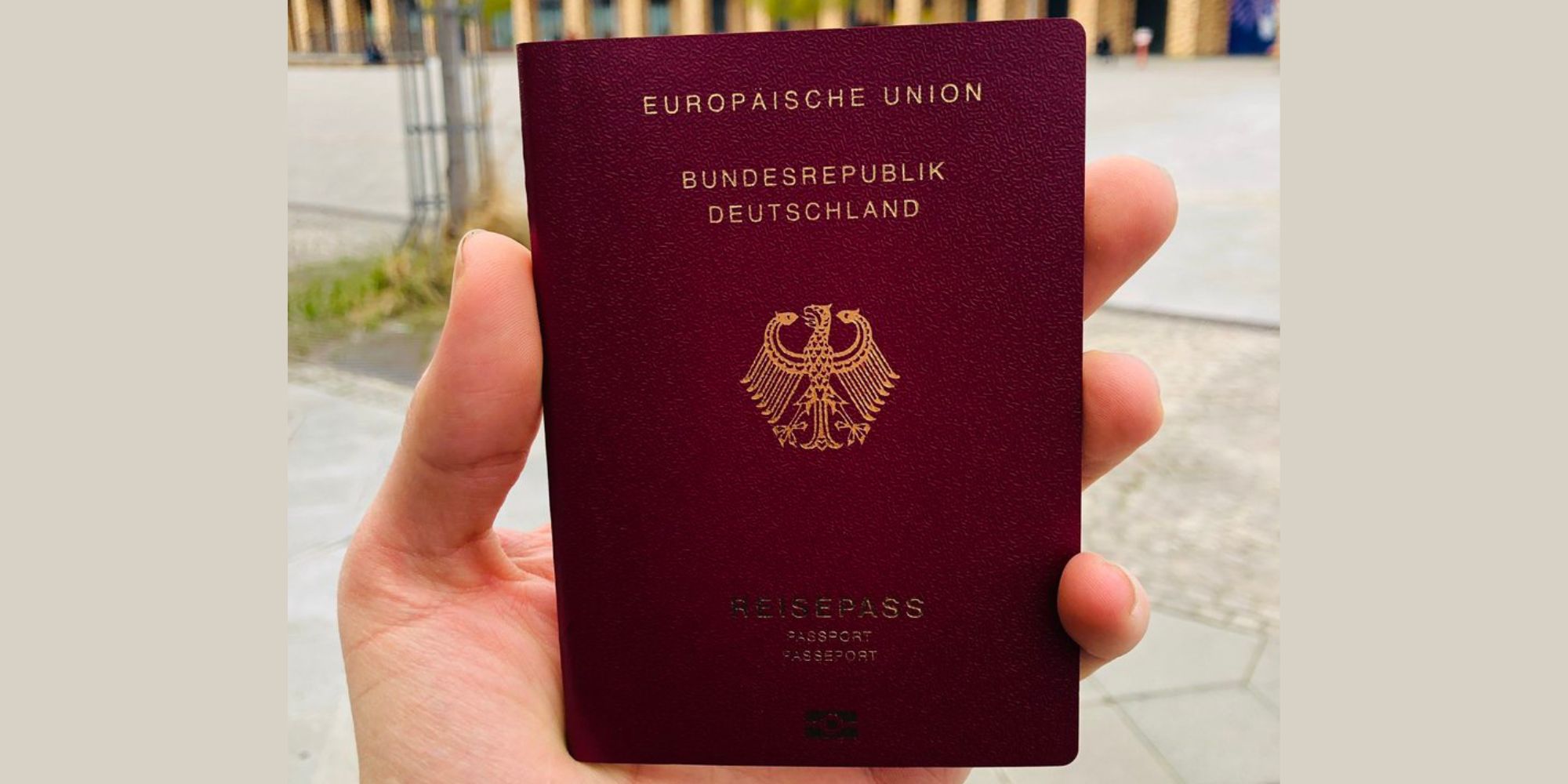
To get a travel document for stateless persons, you must apply to the country where you are legally resident and recognized as stateless. The catch is that requirements vary by country—for example, the UK requires limited or indefinite leave to remain, while Canada demands permanent resident status. The document serves as proof of identity and a passport substitute, letting you cross borders and access basic services abroad.
Understanding Stateless Persons
Before diving into the process of obtaining a travel document for stateless persons, it is important to have a clear understanding of who stateless persons are. Stateless persons are individuals who do not have a nationality or are not recognized as citizens by any country. They lack legal protection, and without a nationality, they often face severe restrictions on their rights and access to basic services.
Related travel guides: How To Renew Refugee Travel Document, Where Should I Send My Re-Entry Permit Application?, and Passport Stamping Process Explained.
There are various reasons why someone may become stateless. It could be due to changes in borders, conflict, migration, or gaps in nationality laws. Regardless of the cause, being stateless can have profound consequences on every aspect of an individual's life, including their ability to travel.
For stateless persons, traveling internationally can be a daunting task. Without a recognized nationality, they cannot obtain a passport or other travel documents typically issued by a government. This means they are unable to cross borders, access medical care, or receive protection from their home countries while abroad. Additionally, stateless persons may face discrimination, harassment, and detention when attempting to travel without proper documentation.
To address these challenges, countries and international organizations have developed mechanisms to assist stateless persons in obtaining travel documents. These documents, often known as "travel certificates" or "identity certificates," serve as a substitute for a passport. A travel document for stateless persons is typically issued by the country where they are legally resident and recognized as stateless. The travel document is designed to provide proof of identity for stateless individuals who do not possess a passport or any recognized travel document issued by a government.
While the specific rights and privileges vary depending on the country issuing the travel document, it typically provides stateless persons with the ability to travel internationally, access basic services, and seek protection from the issuing state.
Navigating the process of obtaining a travel document for stateless persons can be complex, as each country has its own procedures and requirements. However, with the right information and guidance, stateless individuals can overcome these challenges and embark on their travel journeys.
Overview of Travel Document for Stateless Persons
Obtaining a travel document is a crucial step for stateless persons who wish to travel internationally. A travel document serves as a substitute for a passport and allows stateless individuals to cross borders, access essential services, and seek protection from the issuing country.
For example, the UK requires recognition as stateless and limited or indefinite leave to remain; France requires a valid residence card and proof of stateless status; Sweden requires a residence permit and meeting 1954 Convention requirements; Canada requires permanent resident status. The specific name and format of the travel document may vary from country to country, but its purpose remains the same - to facilitate international travel for stateless individuals.
It may include personal details such as the individual's name, date of birth, photograph, and a unique identification number.
While a travel document allows stateless persons to travel internationally, it does not grant them citizenship or the same rights as a passport holder. The rights and privileges associated with a travel document vary depending on the country issuing it and the agreements they have in place with other nations. It is crucial for stateless persons to familiarize themselves with the specific rights and limitations provided by their travel document.
In addition to facilitating international travel, a travel document for stateless persons may also serve as a form of identification within the country of residence. It can be used to access government services, open bank accounts, and prove legal status. However, recognition and acceptance of a travel document may vary from country to country.
The process of obtaining a travel document for stateless persons may differ between countries. Some countries have specific legislation or procedures in place, while others rely on existing immigration or administrative processes. Therefore, stateless individuals should research the requirements and procedures specific to their country of residence.
In the following sections, we will explore the general steps involved in obtaining a travel document for stateless persons, providing guidance to help navigate through the process successfully.
Gather the Required Documents
Obtaining a travel document for stateless persons requires gathering specific documents to support the application. While requirements vary by country, common documents are typically requested. Carefully review the application guidelines and consult with relevant authorities or legal professionals to ensure you have all necessary documents before proceeding.
Here are the key documents you may need to gather:
- Proof of Identity: Provide any identification documents you possess, such as birth certificates, national identity cards (if applicable), or other documents that can establish your identity.
- Evidence of Stateless Status: Prepare documents that demonstrate your stateless status, such as certificates or letters from relevant authorities confirming that you do not possess a nationality or citizenship.
- Residence Permit: If you have been granted legal residence in the country where you are applying, you may need to provide your residence permit as proof of your legal status.
- Passport-sized Photographs: Most applications require recent passport-sized photographs. Adhere to specific requirements regarding size, background color, and other specifications.
- Supporting Documents: Depending on the country's requirements, you may need additional documents, such as proof of financial means, travel itinerary, or other documents that can strengthen your application.
Gather original documents or certified copies. In some cases, you may need to notarize or legalize certain documents, so check the specific requirements for your application.
Ensure all documents are valid and up-to-date. Expired or invalid documents may lead to delays or rejection. Keep copies of all documents you submit, as well as any correspondence or receipts related to your application. These records will help if you need to track progress or respond to inquiries.
By gathering the required documents in advance and ensuring they meet the specific requirements of the country issuing the travel document, you will be better prepared to proceed with the application process smoothly.
Complete the Application Form
Once you have gathered all the necessary documents, the next step is to complete the application form. This form provides the issuing authorities with crucial information about your identity, background, and purpose of travel.
Key points when completing the application form:
- Read the instructions: Carefully review the instructions provided with the form to understand specific requirements and any additional documents needed.
- Provide accurate information: Ensure all information is accurate, complete, and up-to-date. Double-check spellings, dates, and other details to avoid errors.
- Be consistent: Use the same name, spelling, and format throughout the application and supporting documents. Inconsistencies can cause delays.
- Answer all questions: Answer every question, even if optional. Leaving sections blank may result in rejection.
- Explain special circumstances: For medical issues or travel restrictions, provide a clear explanation in the designated sections.
- Check for additional requirements: Some forms may require extra documents specific to your situation. Review thoroughly and include them.
Pay attention to format and presentation. Follow guidelines on font size, handwriting, or electronic submission. Neatly fill out the form or type information if submitted electronically.
The application form must be signed and dated. Provide any necessary signatures and date the form as appropriate.
Once completed, review the form carefully for errors or omissions before submitting. If possible, have someone else review it for accuracy and completeness.
Completing the application form accurately and comprehensively is crucial. By taking time to fill it out carefully and provide all necessary information, you increase your chances of obtaining the travel document for stateless persons.
Submitting the Application
After completing the application form and gathering all necessary documents, the next step is to submit the application. Submitting it correctly and within specified guidelines is crucial for a smooth process. Here are the essential steps:
- Review the requirements: Before submitting, carefully review the requirements and instructions from the issuing authorities. Ensure you have included all necessary documents and met the specific criteria.
- Make copies: Make copies of all documents, including the completed application form. These serve as your records and provide a reference if needed. Keep the copies in a safe place.
- Organize the application package: Gather all original documents, including the completed application form and supporting materials. Organize them in the order specified by the issuing authorities, if applicable.
- Pay the application fee: Some travel document applications require a fee. Review the instructions to determine the payment method and any specific requirements. Include the appropriate fee with your application.
- Submit the application: Depending on the country and process, you may need to submit in person at a designated office or by mail. Follow the provided instructions, including specific addresses or contact information.
- Obtain proof of submission: If submitting in person, request a receipt or acknowledgment. If by mail, use registered or certified mail to track delivery and obtain a receipt.
Meet any specified deadlines. Failure to submit on time may result in delays or rejection. Plan accordingly and allow sufficient time for processing.
After submission, keep track of any communication from the issuing authorities. This may include updates on your application status or requests for additional information. Respond promptly and provide any requested documents to avoid delays.
Each country has its own procedures and guidelines for submitting travel document applications for stateless persons. Follow the specific instructions from the issuing authorities and seek guidance from relevant legal professionals if needed.
By carefully submitting your application and ensuring all necessary documents and fees are included, you increase the likelihood of a successful outcome and receiving the travel document for stateless persons.
Attend the Interview
As part of the process of obtaining a travel document for stateless persons, you may be required to attend an interview with the issuing authorities. The interview serves as an opportunity for them to gather additional information, assess your eligibility, and ensure that you meet the criteria for the travel document. Here are some important points to consider when attending the interview:
- Review the interview requirements: Prior to the scheduled interview, carefully review any instructions or guidelines provided by the issuing authorities. Understand the purpose of the interview and any specific documents or information you may need to bring.
- Prepare supporting documents: Gather any additional documents or evidence that may support your application. This could include proof of residence, employment, or any other documents that demonstrate your ties to the country and the need for a travel document.
- Dress appropriately: Dress in a professional and respectful manner for the interview. This demonstrates your seriousness and respect for the process. It is important to make a positive impression during the interview.
- Be punctual: Arrive on time for your interview. Plan your journey in advance and account for any possible delays. Being punctual shows your commitment and respect for the process.
- Be prepared to answer questions: During the interview, the issuing authorities may ask you questions about your background, stateless status, travel plans, or other relevant information. Prepare yourself by considering potential questions and thinking through your responses.
- Be honest and transparent: Answer all questions truthfully and provide accurate information during the interview. Honesty is crucial and any inconsistencies or misleading information may negatively impact your application.
- Stay calm and composed: Nervousness is natural during interviews, but try to remain calm and composed. Speak clearly and confidently, and maintain good eye contact with the interviewer. Remember, they are there to assess your eligibility, not to intimidate or judge you.
- Ask for clarification if needed: If you do not understand a question or require clarification, do not hesitate to ask. It is better to seek clarification than to provide inaccurate or incomplete answers.
Remember, the interview is a crucial step in the application process and plays a significant role in determining whether you are eligible for a travel document. Being well-prepared, punctual, and presenting yourself professionally can positively influence the outcome of your interview.
After the interview, it is important to follow up on any additional requirements or instructions provided by the issuing authorities. Respond promptly and provide any requested documents or information to ensure the smooth progress of your application.
By approaching the interview stage with confidence, preparation, and honesty, you enhance your chances of successfully obtaining a travel document for stateless persons.
Pay the Application Fee
When applying for a travel document as a stateless person, there is typically an application fee to cover administrative costs.
- Review the fee structure: Before submitting your application, carefully review the guidelines provided by the issuing authorities. Pay close attention to the amount to be paid and the acceptable payment methods.
- Ensure sufficient funds: Verify that you have the necessary funds to cover the application fee. Budget for this expense and set aside the funds accordingly.
- Payment methods: Determine the accepted methods of payment. Some authorities may accept cash, while others may require payment via debit or credit card, bank transfer, or certified check. Follow the specified method to ensure your payment is processed.
- Additional charges: Be aware of any extra charges such as bank fees or currency conversion costs. Take these into account when determining the total amount you need to pay.
- Retain proof of payment: Obtain a receipt or confirmation as proof of payment. This documentation may be required during the application process. Keep it in a safe place for future reference or in case of disputes or inquiries.
Pay the application fee within the specified timeframe and according to the instructions. Failure to do so may result in delays or rejection of your application.
If you are unable to afford the fee, explore any available fee waivers or financial assistance programs offered by the issuing authorities or relevant organizations. These programs aim to support stateless persons facing financial hardships in obtaining travel documents.
Each country has its own fee structure and payment requirements. Carefully follow the instructions provided by the issuing authorities to ensure smooth processing of your application.
By paying the application fee promptly and meeting the financial requirements, you demonstrate your commitment to obtaining the travel document as a stateless person.
Waiting for the Decision
After submitting your application for a travel document as a stateless person, you will enter a waiting period while the issuing authorities review and process your application. The duration of this waiting period can vary depending on the country and the complexity of your case. Here are some important points to consider during this time:
- Review the estimated processing time: Refer to the guidelines or information provided by the issuing authorities to determine the estimated processing time for travel document applications. This will give you an idea of how long you may need to wait for a decision.
- Be patient: Waiting for a decision can be a challenging and anxious time. However, it is important to remain patient and understand that the process takes time. Avoid repeatedly contacting the authorities for updates, as this might slow down the process.
- Follow up if necessary: If the processing time exceeds the estimated timeframe or if you have any concerns or questions, it is appropriate to reach out to the relevant authorities for an update. Be polite and respectful in your communication, providing any necessary details or reference numbers.
- Maintain copies of documents: Keep copies of all the documents you submitted with your application, as well as any correspondence or receipts related to your application. These records will be valuable in case you need to provide additional information or in case of any inquiries or appeals.
- Notify authorities of any changes: If there are any changes in your circumstances, such as a change of address or contact information, inform the issuing authorities promptly. This ensures that you will receive any updates or notifications regarding your application.
- Stay informed: Stay updated on any changes to the application process or requirements by regularly checking the official website or communication channels of the issuing authorities. This will help you stay informed and avoid missing any important updates.
During the waiting period, it is essential to manage your expectations and understand that the processing time can vary. Be prepared for the possibility of additional requests for information or documents from the authorities. Respond promptly and provide the requested information to avoid delays in the decision-making process.
Remember, receiving a decision on your application may take some time, but it is an important step towards obtaining the travel document as a stateless person. Stay positive, continue to plan for your travel adventures, and be prepared to take the appropriate next steps once the decision is communicated to you.
Receiving the Travel Document
Receiving the travel document is an important step for stateless persons who have completed the application process. Here are the key points to consider:
- Notification of approval: Once a decision has been made, the issuing authorities will notify you and provide instructions on how to collect or receive your travel document. Pay close attention to any deadlines or requirements mentioned in the notification.
- Collection options: Depending on the country and its procedures, you may have different options for collecting the travel document. It could be available for pick-up at a designated office or delivered to your address via mail or courier service. Follow the instructions provided and ensure you have the necessary identification or documentation to collect it.
- Inspect the document: Upon receiving the travel document, carefully inspect it to ensure all information is correct. Verify your name, photograph, date of birth, and other personal details. If you notice any errors or discrepancies, notify the issuing authorities immediately for rectification.
- Safeguard the document: The travel document is a valuable and essential document for international travel. Keep it in a secure place, such as a safe or lockbox, to prevent loss or damage. Make copies and store them separately as a backup.
- Validity and renewal: Check the validity period and expiration date. Plan your travels so the document remains valid throughout your journeys. Stay informed about the renewal process to avoid disruptions in your ability to travel.
- Consult travel advisories: Before traveling, consult travel advisories and guidelines to be aware of any restrictions or requirements for the countries you plan to visit. Stay updated on changes in visa regulations, entry requirements, or COVID-19 protocols that may impact your travel.
It does not confer nationality.
Always carry your travel document when traveling internationally and present it when required for immigration or border control purposes. It is a testament to your identity and legal status, enabling you to enjoy the privileges and benefits associated with international travel.
Conclusion
Obtaining a travel document for stateless persons is a significant achievement that opens doors to international travel.
Stateless persons should research the specific procedures of their country of residence. Seeking guidance from legal professionals or immigration experts can provide valuable support.
Once obtained, safeguard the document and ensure it remains valid throughout your travels. Stay informed about travel advisories and changes in visa regulations for the countries you plan to visit. Remember, the process may differ for each individual depending on their country of residence. Through determination and the right resources, stateless persons can navigate the journey towards obtaining a travel document and embracing the freedom to travel.
