

How To Avoid Snakes While Hiking
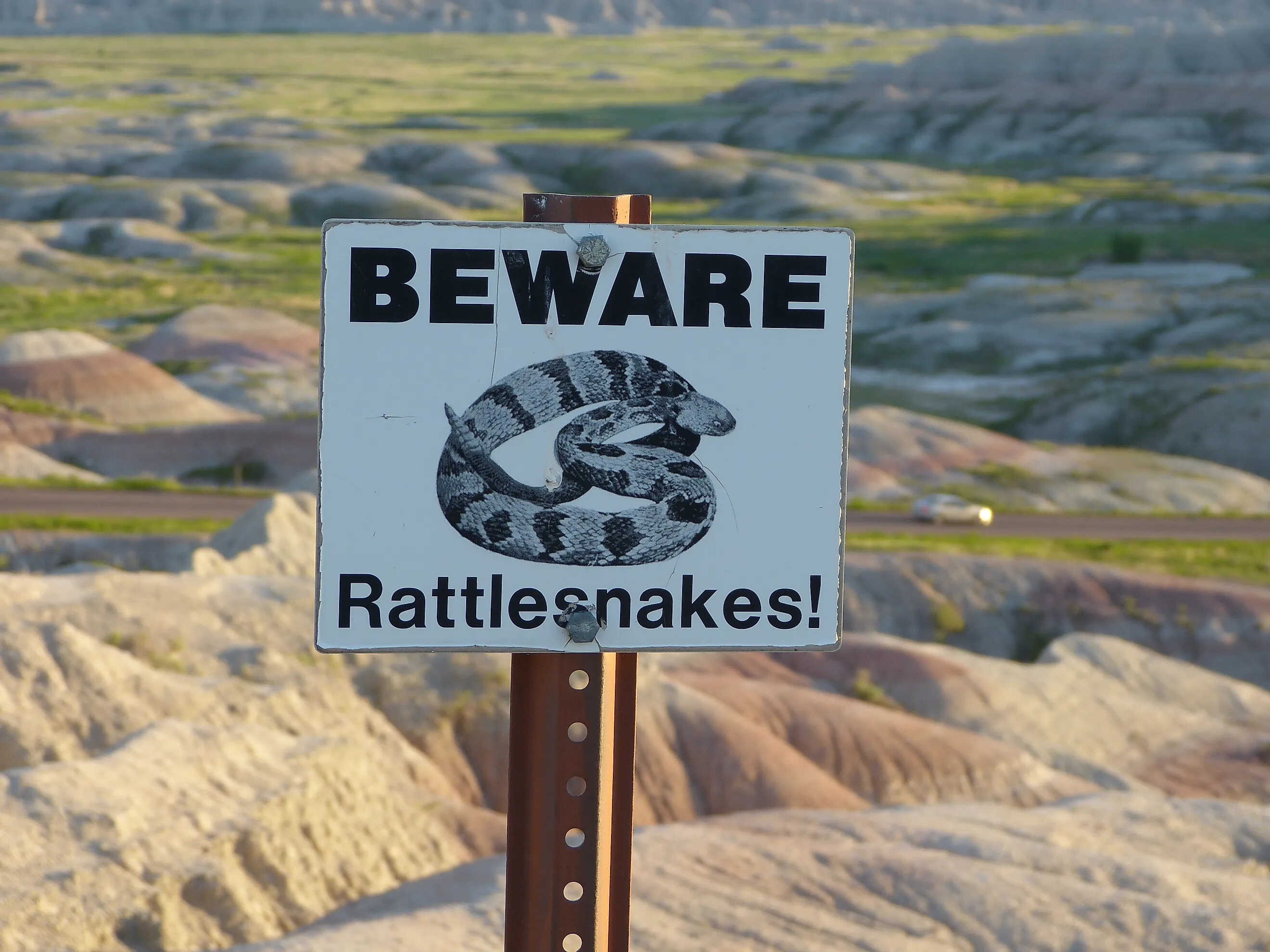
Introduction
Welcome to the exciting world of hiking! Whether you’re a seasoned outdoor enthusiast or a novice explorer, there’s nothing quite like immersing yourself in nature and embarking on a thrilling hike. However, it’s important to be aware of potential hazards along the trail, such as snakes.
Encountering a snake while hiking can be a terrifying experience, but with the right knowledge and preparation, you can minimize the risks and enjoy your outdoor adventures with confidence. In this article, we will delve into the world of snakes, their behavior, and provide you with valuable tips and strategies to help you avoid and handle snake encounters while hiking.
Before we delve into the details, it’s crucial to note that snakes are an integral part of ecosystems and play a vital role in maintaining a balanced environment. It’s essential to respect and appreciate these creatures, even as we navigate the great outdoors.
With that being said, let’s dive into the fascinating world of snakes and learn how to coexist peacefully with them on our hiking journeys.
Understanding Snake Behavior
Before venturing onto the hiking trail, it’s important to have a basic understanding of snake behavior. This knowledge will empower you to make informed decisions and take appropriate actions if you encounter a snake.
Snakes are ectothermic, which means they rely on external sources of heat to regulate their body temperature. As a result, you are more likely to encounter snakes on warmer days when they are active and seeking out basking spots to warm themselves.
While some snakes are venomous, most snake species are non-venomous and pose no significant threat to humans. However, it’s important to remember that all snakes can bite if they feel threatened or cornered.
Snakes are generally shy and prefer to avoid human contact. They often slither away silently when they detect vibrations or hear approaching hikers. However, if you accidentally step too close to a snake or aggravate it in some way, it may feel threatened and may strike defensively.
Understanding snake behavior can help you interpret their body language and mitigate potential risks. Snakes that are coiled up, hissing, or displaying a defensive posture are indications that they feel threatened and may be preparing to strike. Conversely, if a snake is relaxed and doesn’t show signs of aggression, it’s best to give it ample space and allow it to move away on its own.
Remember, snakes play a vital role in maintaining the ecosystem, so it’s essential to respect their presence and observe them from a safe distance. Avoid approaching or attempting to handle snakes unless you are a trained professional.
Choosing the Right Trail
When it comes to hiking, selecting the right trail can significantly reduce the chances of encountering snakes. Here are some tips to help you choose a trail that minimizes the risk of snake encounters:
- Research the area: Before heading out, research the hiking trails in the region. Look for information about snake populations and any reported snake sightings. This knowledge will give you an idea of the likelihood of encountering snakes.
- Trail popularity: Popular trails tend to be well-maintained and frequently traveled by hikers. These trails often have a lower risk of snakes as they are generally more disturbed and less appealing to snakes.
- Avoid dense vegetation: Trails with dense vegetation or overgrown foliage provide an ideal habitat for snakes. Consider choosing trails that are more open and have clear visibility, reducing the chances of unexpected snake encounters.
- Altitude and climate: Snakes are more prevalent in certain regions and climates. Research the altitude and climate of the area you plan to hike in and determine if it aligns with the habitat preferences of snakes. Higher altitudes and cooler temperatures may have fewer snake species.
By considering these factors, you can choose a trail that aligns with your comfort level and reduces the likelihood of snake encounters. However, keep in mind that it is impossible to completely eliminate the risk, as snakes can move around and adapt to various environments.
Preparing for Your Hike
Proper preparation is key to any successful hike, and it also plays a crucial role in ensuring your safety in snake-prone areas. Here are some essential tips to help you prepare for your hike:
- Check the weather: Before setting out, be sure to check the weather forecast for the hiking area. Snakes are typically more active during warm weather, so choosing a cooler day or hiking during the early morning or late afternoon can reduce the chances of encountering them.
- Inform others: Always let someone know about your hiking plans, including the route and estimated time of return. This way, if an emergency arises, others will be aware of your whereabouts.
- Carry a first aid kit: Accidents can happen on the trail, including snake bites. It’s important to carry a well-stocked first aid kit that includes items specifically for treating snake bites, such as sterile bandages and a snake bite extraction kit.
- Stay hydrated: Proper hydration is crucial during any outdoor activity. Carry an adequate amount of water to keep yourself hydrated throughout the hike. Remember, staying hydrated also helps maintain your body temperature and reduces the chances of heat-related stress.
- Pack lightweight and nutritious snacks: Fueling your body with the right food is essential for energy and endurance on the trail. Pack lightweight, nutrient-dense snacks such as granola bars, dried fruits, and nuts to keep yourself energized and sustained.
- Bring a map and compass: Even if you’re hiking on a well-marked trail, it’s always a good idea to carry a map and compass as a backup. Familiarize yourself with the trail route beforehand and use these tools to navigate if needed.
By taking the time to prepare for your hike, you’ll enhance your overall hiking experience and be better equipped to handle any unexpected situations, including potential snake encounters.
Dressing Appropriately
The way you dress for a hike can make a significant difference in snake safety. Consider the following tips when it comes to dressing appropriately:
- Wear long pants and high boots: Opt for lightweight, breathable pants that cover your legs completely. This provides a layer of protection against snake bites and reduces the risk of accidental skin contact with snakes. Pair your pants with high boots to further protect your feet and ankles.
- Avoid loose-fitting clothing: Snakes can easily slither into loose clothing, so it’s best to wear fitted clothes that reduce the likelihood of a snake getting entangled.
- Choose light-colored clothing: Light-colored clothing makes it easier to spot snakes on the trail. Bright colors are also known to be less attractive to snakes, potentially reducing the chances of an encounter.
- Wear a hat and sunglasses: A hat not only provides protection from the sun but also shields your face from low-hanging branches and potential snake strikes. Sunglasses can help protect your eyes in case of any unexpected snake movements.
By dressing appropriately, you can create a physical barrier between yourself and potential snake encounters, providing an extra layer of protection during your hiking adventures.
Essential Gear for Snake Safety
When hiking in snake-prone areas, it’s important to have the right gear to ensure your safety. Here are some essential items to consider:
- Gaiters: Gaiters are protective coverings that go over your lower legs and can provide an additional layer of defense against snake bites. They act as a barrier between your legs and any potential snake strikes.
- Trekking poles: Trekking poles not only provide stability and support while hiking but can also be a useful tool to help detect snakes. Use them to tap the ground ahead of you, creating vibrations that can potentially alert snakes to your presence.
- Snake bite kit: A snake bite kit contains tools and instructions for treating snake bites in emergency situations. While it’s essential to seek professional medical help as soon as possible, having a snake bite kit can provide initial treatment and potentially save valuable time.
- LED flashlight: Carrying a reliable LED flashlight can be helpful in spotting snakes, especially if you’re hiking during dawn, dusk, or in shaded areas. Use the flashlight to illuminate the trail and reduce the chances of stepping on or near a snake.
- Personal Locator Beacon (PLB): In case of an emergency, a PLB can be a lifesaver. This device enables you to send a distress signal and alert authorities of your location, speeding up the rescue process.
Remember, while these items can enhance your safety, they do not guarantee complete protection against snakes. It’s important to remain vigilant and use these tools responsibly.
Making Noise and Staying Alert
One effective way to minimize the risk of snake encounters while hiking is by making noise and staying alert throughout your journey. Here’s why it’s important and how you can implement this strategy:
Snakes are known to be sensitive to vibrations, and most will try to avoid contact with humans if given the chance. By making noise while hiking, you alert snakes to your presence, giving them an opportunity to move away before you approach. Here are some ways to make noise on the trail:
- Talk or sing: Engage in conversations with your hiking companions or sing a tune. The sound of your voice will help create vibrations and signal your presence.
- Clap or use noise-making devices: Periodically clap your hands or use noise-making devices like bells or rattles. These sudden sounds will alert any nearby snakes and give them an opportunity to retreat.
- Stick to well-traveled paths: Stay on the designated trail and avoid veering off into dense vegetation. Hiking on well-traveled paths tends to make more noise due to the collective footsteps of previous hikers.
In addition to making noise, it’s essential to stay alert and be observant of your surroundings. Keep your eyes and ears open for any signs of snake presence, such as rustling leaves, sudden movement, or any hissing sounds. Here are some tips to help you stay alert:
- Scan the trail ahead: Constantly scan the trail ahead of you as you hike, looking for any signs of snakes or their hiding spots, such as rocks or fallen logs.
- Watch where you step: Be cautious of where you place your feet. Avoid stepping over logs or large rocks without first checking if a snake is hiding on the other side.
- Stay focused: Minimize distractions and keep your focus on the trail and your surroundings. This level of attentiveness will increase your chances of spotting any snakes in your vicinity.
By making noise and staying alert, you proactively reduce the risk of surprising or startling snakes, allowing for a safer and more enjoyable hiking experience.
Staying on the Trail
When hiking in snake-prone areas, it is crucial to stay on the designated trail for several reasons. Here’s why staying on the trail is important and how it contributes to snake safety:
1. Reduced risk of encounters: Trails are typically more open and regularly maintained, which means they are less likely to have dense vegetation and potential snake hiding spots. By staying on the trail, you minimize the risk of accidentally stumbling upon snakes in their natural habitats.
2. Preservation of the ecosystem: Straying from the trail can disrupt the natural habitat of snakes and other wildlife. By sticking to the designated path, you help preserve the delicate balance of the ecosystem and minimize any potential disturbance to snake habitats.
3. Clear visibility: Hiking on the trail provides better visibility and allows you to see your surroundings more clearly. This heightened visibility increases your chances of spotting snakes or any potential hazards in advance, giving you ample time to take appropriate precautions.
4. Easier rescues and navigation: In the unfortunate event of an accident or emergency, being on the established trail makes it easier for search and rescue teams to locate and assist you. It also ensures that you are within reach of trail markers or signs that can guide you to safety.
Remember, deviating from the trail not only increases the risk of snake encounters, but it can also lead to environmental damage and other safety hazards. Stay on the trail and enjoy a safer and more responsible hiking experience.
Crossing Snake Territory
While hiking, it’s inevitable that you may need to cross areas that are considered snake territory. Here are some tips to help you navigate these areas safely:
- Assess the surroundings: Before entering a potentially snake-infested area, take a moment to assess the surroundings. Look for any signs of snake activity, such as shed snake skins, tracks, or holes that could be snake dens. If you spot any warning signs, consider finding an alternative route or proceeding with extra caution.
- Stay on high ground: Snakes generally prefer lower areas that offer cover and access to water sources. When crossing snake territory, try to stick to higher ground, away from tall grasses, bushes, and other potential hiding spots for snakes.
- Step carefully: Take deliberate steps while crossing snake-prone areas by watching where you place your feet. Avoid stepping on rocks or logs without first checking for any hidden snakes. Use trekking poles or a hiking stick to probe the ground ahead for any potential snake encounters.
- Keep a safe distance: If you encounter a snake during your crossing, maintain a safe distance and give it the space it needs to retreat. Avoid approaching or provoking the snake, as this can escalate the situation. Remember, snakes would rather avoid confrontation than engage with humans.
- Stay calm and composed: If you do come face-to-face with a snake while crossing its territory, it’s essential to remain calm. Move slowly and back away from the snake without making any sudden movements. Most snake bites occur when individuals panic and try to flee at high speeds.
By following these guidelines, you can navigate snake territory with greater confidence and reduce the risk of unwanted encounters or incidents.
Reacting to Snake Encounters
Encountering a snake while hiking can be a nerve-wracking experience, but it’s important to know how to react calmly and effectively. Here’s what to do if you come across a snake while on the trail:
- Stay calm and still: The first and most important step is to remain calm. Avoid making sudden movements or loud noises that may startle or provoke the snake. Remember, most snakes prefer to avoid human contact and will retreat if given the chance.
- Give the snake space: Back away slowly and give the snake plenty of space to move away. Never attempt to approach or handle the snake, as this can escalate the situation and increase the risk of a bite.
- Observe from a safe distance: If the snake remains in the area, observe it from a safe distance. Use binoculars or the zoom lens on your camera to get a closer look, but never get closer to the snake than necessary.
- Do not try to kill the snake: It is important to remember that snakes are an essential part of the ecosystem and killing them is unnecessary and harmful. Killing or disturbing a snake can also increase the risk of being bitten.
- Inform others: If you encounter a snake on the trail, take note of its location and inform other hikers or park officials about the sighting. This helps raise awareness and ensures the safety of others.
In most cases, snakes will quickly slither away when they sense human presence. By reacting calmly and responsibly, you can minimize the chances of a negative encounter and continue to enjoy your hike.
First Aid for Snake Bites
While snake bites are rare, it’s important to be prepared and knowledgeable about first aid in case of an unfortunate encounter. Here’s what to do if you or someone in your hiking group is bitten by a snake:
- Stay calm and reassure the victim: Panicking will only exacerbate the situation. Stay calm, reassure the victim, and encourage them to remain as still and calm as possible. This helps slow the spread of venom throughout the body.
- Seek medical help immediately: Dial emergency services or call for assistance as soon as possible. Snake bites can be potentially life-threatening, so it’s crucial to seek professional medical attention without delay.
- Keep the victim still: Encourage the victim to avoid unnecessary movement. Immobilize the bitten area, if possible, by immobilizing it with a splint or sling. Keeping the affected limb as still as possible helps slow the circulation of venom throughout the body.
- Remove constrictive items: If there are constrictive items, such as rings or bracelets, near the bite area, remove them promptly. Swelling can occur, and constrictive items may impede circulation.
- Position the victim: Have the victim lie down with the bite area slightly below the heart level. This helps slow the spread of venom.
- Apply a pressure bandage: If a pressure bandage is readily available, apply it firmly but not too tightly around the bitten area. Start from the extremities and gradually work your way up, immobilizing the affected limb. This can help slow the flow of venom.
- Do not cut or suck the wound: Contrary to popular belief, cutting the wound or attempting to suck out the venom is not recommended. These actions can further damage the tissues and do not effectively remove the venom. It’s best to leave such interventions to medical professionals.
Remember, the most crucial step in treating a snake bite is to seek immediate medical attention. Proper medical care is essential to determine the appropriate treatment, especially if the snake is venomous.
While waiting for medical help to arrive, focus on keeping the victim calm, immobilized, and comfortable. This will help minimize the spread of venom and assist in the overall treatment process.
Conclusion
As you embark on your hiking adventures, it’s important to be prepared and informed about snake safety. While encountering a snake on the trail can be unnerving, following the right precautions can help you minimize the risks and enjoy your outdoor experiences to the fullest.
Understanding snake behavior, choosing the right trail, and preparing adequately are essential steps in ensuring your safety. Dressing appropriately, carrying the necessary gear, and making noise while staying alert can further decrease the chances of a snake encounter. By staying on the designated trail and crossing snake territory with caution, you can confidently navigate snake-prone areas.
Should you encounter a snake, maintaining a calm demeanor, giving it space, and observing from a safe distance are key. If a snake bite occurs, seeking immediate medical assistance and keeping the victim calm are crucial steps in managing the situation effectively.
Remember, snakes are an important part of the ecosystem, and it’s our responsibility to coexist respectfully with them. By implementing these tips and strategies, you can confidently explore the natural wonders around you while appreciating the beauty and diversity of the wildlife you encounter.
So, lace up your hiking boots, venture out into nature, and let your passion for exploration and adventure soar while keeping in mind the importance of snake safety. Stay informed, stay prepared, and enjoy the incredible experiences that hiking has to offer!
