

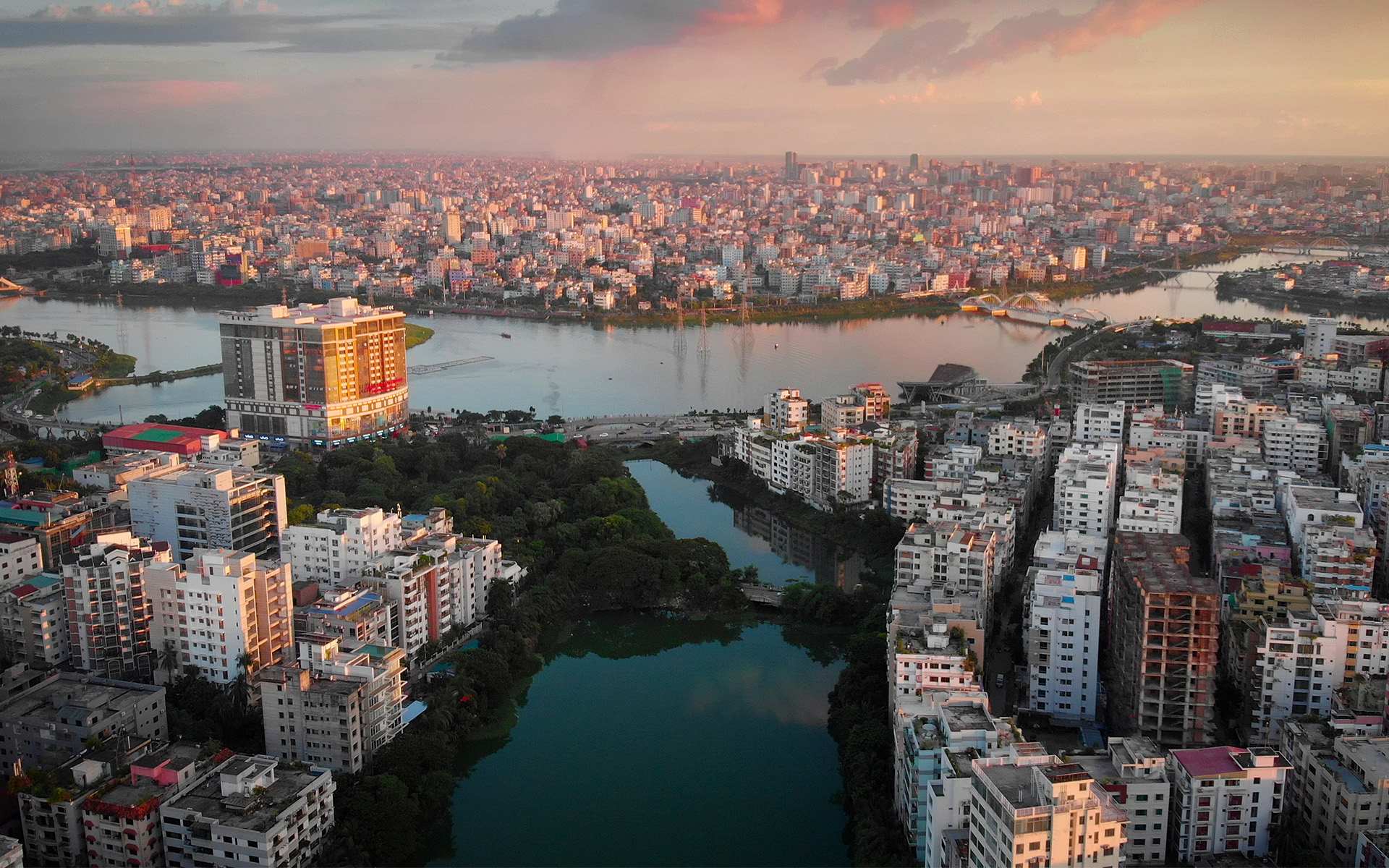
Female travel in Bangladesh requires heightened vigilance due to the risk of verbal and physical harassment, especially at night. The reward for this caution is experiencing a deeply hospitable culture where modesty in dress and behavior earns respect and opens doors to genuine warmth and generosity.
Cultural Background
Before venturing into Bangladesh, it's essential to have a basic understanding of the country's cultural background. Bangladesh is a predominantly Muslim country, with Islam being the major religion practiced by the majority of its population. The culture is deeply influenced by Islamic traditions, which play a significant role in shaping the social fabric of the country.
The people of Bangladesh are known for their warmth, hospitality, and respect for guests. As a female traveler, you can expect to be greeted with kindness and generosity wherever you go. It's customary to offer a smile and a greeting of "Salaam" or "Namaste" when interacting with locals.
Bangladesh also has a rich history. The country was once part of the Bengal region, which has a long and illustrious past, dating back to ancient times. The influence of various empires, such as the Maurya and Gupta dynasties, as well as the Mughals, can still be seen today in the architecture, art, and cuisine of Bangladesh.
The Bengali language, known as Bangla, is the official language of the country and is widely spoken by the locals. While English may not be as commonly spoken outside of major cities like Dhaka and Chittagong, many people in the tourism industry and younger generations can communicate in English to some extent.
While safety is always a top priority for any traveler, it's worth noting that female travelers in Bangladesh should be aware of the risk of verbal and physical harassment and exercise heightened vigilance, especially at night. Official travel advice from the UK and Canada warns that women often face harassment by individuals or groups of men.
As a female traveler, it's important to be aware of the conservative nature of Bangladeshi society. Modesty in dress and behavior is valued, particularly in more traditional and rural areas. Dressing modestly, covering your shoulders and knees, can help ensure cultural respect and minimize unwanted attention. Headscarves: While not mandatory for non-Muslim women, wearing a headscarf is appropriate when entering mosques or in more conservative settings.
Respecting local customs and traditions is key to having a positive cultural experience in Bangladesh. Avoid public displays of affection, especially in more conservative areas. It's also customary to remove your shoes when entering someone's home or a place of worship as a sign of respect.
By familiarizing yourself with the cultural background of Bangladesh and showing respect for local customs, you'll be better prepared to navigate the country and foster meaningful interactions with the locals.
Safety Considerations
As a female traveler, it's natural to have concerns about safety when visiting a new country. Bangladesh, like any other destination, has its own safety considerations that are important to keep in mind during your trip.
Overall, female travelers in Bangladesh should be prepared for a heightened risk of harassment and exercise increased caution, especially at night. The UK government states that female travellers often experience verbal and physical harassment by individuals or groups of men, and official travel advice warns women can face harassment and should be especially vigilant at night. Here are a few safety tips to help ensure a secure and enjoyable trip:
- Research your destination: Before you arrive, take the time to research any specific safety concerns or potential risks. It's also advisable to check travel advisories from your home country's consulate or embassy.
- Stay Alert: Be aware of your surroundings at all times, especially when in crowded areas or unfamiliar locations. Avoid displaying valuable items such as flashy jewelry or expensive electronics.
- Transportation: When using public transportation, choose reputable taxi services or ride-sharing apps for added safety. If traveling at night, consider pre-arranging transportation with a trusted driver or using a reputable hotel shuttle service.
- Stay Connected: Keep your phone charged and have emergency numbers programmed, including local emergency services, your embassy, and your travel insurance provider. Share your itinerary and contact details with a trusted friend or family member back home.
- Secure Accommodation: Choose reputable and well-reviewed accommodations with proper security measures. Make sure your room has functional locks and consider using a door wedge or portable door lock for additional security.
- Dress Appropriately: Respecting the local culture means dressing modestly. This can help you blend in and avoid unwanted attention.
- Trust Your Instincts: If you ever feel uncomfortable or sense something is not right, trust your instincts. Remove yourself from the situation and seek help or advice from trusted locals or authorities.
It's important to note that while safety is a priority, it's also essential to strike a balance between caution and enjoying your trip. By taking necessary precautions and being mindful of your surroundings, you can have a safe and memorable experience exploring the captivating wonders of Bangladesh.
Dress Code and Cultural Etiquette
When traveling to Bangladesh, it's important to be mindful of the local dress code and adhere to cultural etiquette norms. Bangladesh is a predominantly Muslim country, and modesty in dress and behavior is highly valued. Here are some guidelines to help you dress appropriately and show respect for the local culture:
Dress Modestly: When out in public, it's recommended to dress modestly, covering your shoulders and knees. Opt for loose-fitting clothing that does not cling to your body. Long skirts, loose pants, and tunics are great options. Avoid revealing clothing or outfits with plunging necklines.
Keeping a lightweight scarf in your bag will allow you to cover your head if needed.
Footwear: In mosques and some religious sites, it is customary to remove your shoes before entering. So bring socks or slip-on shoes that are easy to take off and put on.
Behavior and Interaction: Be mindful of local customs and etiquette when interacting with the locals. Public displays of affection are generally not encouraged. It's important to be polite, greet people with a smile and a respectful greeting, and maintain a courteous demeanor.
Temples and Religious Sites: When visiting temples or religious sites, dress more conservatively. Cover your shoulders and ensure your legs are covered to at least below the knees. You may be required to remove your shoes or follow specific guidelines, so be prepared to do so.
Swimwear: When visiting beach areas or swimming pools, it's advisable to wear modest swimwear that covers your body. Avoid bikinis or revealing swimwear, as it may cause discomfort or draw unwanted attention.
Cultural Sensitivity: Showing respect for the local culture is important. Be aware of your actions and behavior, making an effort to learn and understand local customs and traditions. Being culturally sensitive will help you foster positive interactions and create a more enriching travel experience.
By dressing modestly and respecting cultural norms, you not only show respect for the local culture but also demonstrate your willingness to immerse yourself in the traditions and practices of Bangladesh. It will help you build connections with the local community and enhance your overall travel experience.
Transportation and Getting Around
When it comes to transportation in Bangladesh, there are several options available for getting around the country. While it may seem overwhelming at first, with some planning and knowledge, navigating the local transportation system can be an exciting part of your travel experience.
Buses: Buses are the primary mode of transportation in Bangladesh, connecting cities and towns across the country. There are various types of buses available, ranging from local buses to luxury air-conditioned coaches. While local buses can be crowded and less comfortable, luxury coaches offer more comfort and amenities. It's important to keep in mind that buses may not always adhere to strict schedules, so it's advisable to plan your journey in advance.
Trains: The railway network in Bangladesh is well-developed and provides a convenient and affordable option for traveling between major cities. Trains offer different classes, including air-conditioned compartments, which provide a more comfortable travel experience. Booking train tickets in advance is recommended, especially during peak travel seasons.
Rickshaws: One of the most iconic modes of transportation in Bangladesh is the cycle rickshaw. These pedal-powered vehicles are a common sight in cities and towns. They are a convenient way to navigate through narrow streets and congested areas. Negotiating the fare before getting in is common practice, and it's advisable to carry small denominations of currency for payments.
Taxis and Ride-Sharing: Taxis and ride-sharing services like Uber and Pathao are available in major cities like Dhaka and Chittagong. Taxis can be hailed from the street or booked through apps. It's recommended to use reputable taxi companies or ride-sharing apps for safety and convenience.
Local Transport: In cities, there are various modes of local transport available, such as CNG auto-rickshaws (tuk-tuks) and traditional horse-drawn carriages known as 'tom tom.' These are popular options for short trips within cities and can provide a unique local experience.
Private Cars: Renting a private car with a driver can be an option for those who prefer more comfort and flexibility. This allows you to explore destinations at your own pace and convenience. It's advisable to book through reputable car rental agencies or arrange transportation with your accommodation.
As with any form of transportation, it's important to keep valuables secure and be cautious of your surroundings. Traffic congestion can be common in cities, so it's advisable to factor in extra travel time, especially during peak hours.
A scarf is useful to have on hand for such occasions.
By familiarizing yourself with the available transportation options and planning your journeys in advance, you'll be able to navigate Bangladesh efficiently and make the most of your travel experiences in this diverse and beautiful country.
Popular Tourist Destinations
Bangladesh is a country filled with cultural landmarks, natural wonders, and historical sites that are sure to captivate any traveler. Here are some popular tourist destinations that you shouldn't miss during your visit to Bangladesh:
Dhaka: The capital city of Bangladesh, Dhaka, is a bustling metropolis where the old and the new coexist harmoniously. Explore historical sites like Lalbagh Fort and Ahsan Manzil, visit vibrant markets such as New Market and Kawran Bazaar, and immerse yourself in the rich cultural heritage of the city.
Cox's Bazar: Known for its stunning sandy beaches, Cox's Bazar is the longest natural sea beach in the world. Enjoy the breathtaking views, take a dip in the Bay of Bengal, and visit nearby attractions like Himchari National Park and Maheshkhali Island.
Sundarbans: A UNESCO World Heritage site, the Sundarbans is the world's largest mangrove forest. Take a boat tour through its winding creeks to spot the elusive Bengal tiger, explore diverse wildlife and flora, and witness the natural beauty of this unique ecosystem.
Sylhet: Located in the northeast region of Bangladesh, Sylhet is known for its lush tea gardens and natural landscapes. Visit the beautiful Ratargul Swamp Forest, explore the sacred shrine of Shah Jalal, and take in the scenic views of the renowned Jaflong and Lalakhal areas.
Chittagong: Chittagong is a port city with a rich historical past. Explore the ancient ruins of Mainamati, visit the ethnological museum, and take a boat trip to the nearby hills of Sitakunda and Rangamati for a glimpse of their natural beauty.
Bandarban: Escape to the hill district of Bandarban, known for its picturesque landscapes and tribal culture. Trek to the top of Keokradong, the highest peak in Bangladesh, visit the tribal villages of the indigenous communities, and enjoy scenic boat rides on the Sangu River.
Rajshahi: Discover the historical and archaeological treasures of Rajshahi. Explore the ancient UNESCO World Heritage site of Paharpur, visit the impressive Varendra Research Museum, and take a boat ride on the Padma River for stunning views.
These are just a few of the many incredible destinations that Bangladesh has to offer. From vibrant cities to serene natural landscapes, each place is unique and offers its own charm. So, get ready to explore and be immersed in the beauty and diversity of this hidden gem in South Asia.
Accommodation Options
When it comes to accommodation in Bangladesh, there are various options available to suit different preferences and budgets. Whether you prefer luxury hotels or budget-friendly guesthouses, you'll find a range of choices across the country.
Booking reputable accommodation in advance, particularly during peak seasons, can help ensure a secure base.
Hotels: Major cities like Dhaka, Chittagong, and Sylhet offer a wide range of hotels catering to different budgets. From luxury international chains to boutique hotels, you'll find accommodation options with modern amenities, comfortable rooms, and excellent service. These hotels often have on-site restaurants, fitness centers, and business facilities.
Guesthouses and Bed & Breakfasts: For a more intimate and budget-friendly experience, guesthouses and bed & breakfasts are popular choices. These accommodation options are often run by locals and provide a personal touch. They vary in terms of amenities and comfort levels, but they offer a chance to experience Bangladeshi hospitality and interact with the locals.
Eco-Lodges: In some of the natural and rural areas of Bangladesh, eco-lodges provide a unique and sustainable accommodation option. These lodges are designed to have minimal impact on the environment and immerse guests in the natural surroundings. They offer a chance to connect with nature and experience the local way of life.
Home Stays: Home stays are gaining popularity in Bangladesh, especially in rural areas. This option allows you to stay with a local family, experience their way of life, and engage in cultural exchanges. Home stays provide a more immersive and authentic travel experience, allowing you to learn about the local customs and traditions firsthand.
Resorts: Bangladesh has several resorts located in scenic areas such as Cox's Bazar and the hill districts. These resorts offer a range of amenities, including swimming pools, spa facilities, and outdoor activities. They provide an opportunity to relax and unwind in beautiful natural surroundings.
One travel guide explicitly notes that girls do not need to wear a headscarf unless entering a mosque, though carrying a scarf is useful.
Whichever type of accommodation you choose, you'll find the warm and friendly hospitality of the Bangladeshi people to be present in every corner of the country.
Local Cuisine and Dining Tips
Bangladeshi cuisine blends Mughlai, Bengali, and Middle Eastern influences. Exploring it is essential to immersing yourself in the culture. Here are popular dishes and dining tips to enhance your experience.
Rice and Fish: Rice is a staple, and fish is a common protein. The country is known for diverse fish preparations, from spicy curries to fried delicacies. Must-try dishes include Hilsha, Rui, and Chitol.
Biryani: A flavorful rice dish cooked with aromatic spices, meat, or vegetables. Varieties include chicken, mutton, and fish biryani.
Bengali Sweets: Known as 'mishti,' these are famous for rich flavors and textures. Treat yourself to Roshogolla, Sandesh, and Mishti Doi, available in sweet shops across the country.
Street Food: The vibrant street food scene offers savory snacks and local delicacies. Try Puchka (pani puri), Jhalmuri (spicy puffed rice), and Fuchka.
Tea and Street-side Tea Stalls: Visit a 'cha-er dokan' for a cup of sweet, milky tea and soak in the lively atmosphere.
Dining Etiquette: Wash hands before and after meals. Meals are often served on a banana leaf or a metal 'thaal.' Accepting second or third helpings is polite, showing appreciation for hospitality.
Halal Food: Halal food is widely available. Communicate specific dietary needs, such as vegetarian or vegan, clearly when ordering.
Tipping: Tipping is not common, but a small tip for exceptional service is welcomed.
Embracing the local cuisine provides a window into the country's rich flavors and culinary traditions. Enjoy the warmth and hospitality that accompanies every meal.
Shopping and Souvenirs
When it comes to shopping in Bangladesh, you'll find a wide variety of unique and traditional items that make for perfect souvenirs. From handicrafts to textiles, here are some shopping tips and popular items to consider:
Handicrafts: Bangladesh is known for its exquisite handicrafts, crafted by skilled artisans. Look for items such as terracotta pottery, brass and copperware, bamboo products, and intricately woven baskets. These handicrafts reflect the rich cultural heritage of the country.
Textiles and Clothing: Bangladesh is a major producer of textiles and garments. You'll find a variety of fabrics, including handloomed cotton, silk, and muslin. Traditional garments like sarees, salwar kameez, and lungis make for unique souvenirs.
Jewelry: Explore the vibrant jewelry markets, where you'll find pieces crafted from silver, gold, and precious stones, from traditional designs to contemporary styles.
Boutiques and Fashion Outlets: In major cities like Dhaka, boutique stores and fashion outlets feature both local and international clothing brands.
Traditional Artworks: Look for traditional artwork, such as paintings, sculptures, and woodwork. These pieces often represent stories from Bangladeshi folklore or depict scenes from daily life.
Leather Goods: Bangladesh is renowned for its leather industry. High-quality leather products like bags, wallets, and shoes can be found in markets and shopping centers. Purchase from reputable sellers to ensure authenticity.
Tea and Spices: Take a piece of Bangladesh's flavors home with you by purchasing tea and spices, including fragrant turmeric, cinnamon, and cardamom.
Shopping Tips: Bargaining is common in markets and smaller shops. Negotiate respectfully for a better price. Be mindful of customs rules when purchasing items like jewelry or antiques.
Shopping in Bangladesh is not just about acquiring souvenirs but also an opportunity to support local artisans and contribute to the local economy. Set aside time to explore the markets, interact with sellers, and bring back unique treasures that will remind you of your time in this incredible country.
Female-Friendly Activities
Bangladesh offers a range of female-friendly activities that allow you to explore the country while providing opportunities for cultural immersion and empowerment. Here are some activities particularly well-suited for female travelers:
Attend a Traditional Dance Performance: Immerse yourself in Bangladesh’s cultural heritage by attending a traditional dance performance, such as Bharatanatyam or folk dances like Jatra and Baul. These showcase the beauty and grace of Bangladeshi arts.
Visit Women's Handicraft Centers: Support local women artisans by visiting handicraft centers and workshops. Learn about traditional crafts, witness the artistry firsthand, and participate in hands-on activities to connect with local women and their skills.
Take a Cooking Class: Expand your culinary skills with a cooking class focused on Bangladeshi cuisine. Learn to prepare traditional dishes, understand spices and ingredients, and gain a deeper appreciation for local flavors while glimpsing daily life and cooking methods.
Explore Women-led Social Enterprises: Bangladesh is home to several women-led social enterprises that empower local women. Explore fair-trade cooperatives, eco-tourism ventures, and women-focused artisan groups to learn about challenges and triumphs in economic independence.
Engage in Volunteer Work: Consider volunteering with organizations focusing on women’s empowerment, education, or healthcare. This allows you to make a positive impact, learn about local issues, and contribute to meaningful change. Check reputable organizations for a safe experience.
Join a Women's Networking Event: Look for networking events or meetups targeted at women in the area you are visiting. These provide opportunities to connect with local women professionals, entrepreneurs, and change-makers, exchanging insights and creating lasting connections.
Explore Women's History and Culture: Discover stories of inspiring Bangladeshi women who have made significant contributions. Visit sites like the birthplace of Begum Rokeya, a renowned women’s rights activist and writer. Learning about their accomplishments can inspire your journey.
A scarf is useful for such visits.
Participating in these activities allows you to support and engage with local women, fostering cultural exchange and empowerment. Embrace the opportunities and celebrate the strength and resilience of women in Bangladesh.
Health and Hygiene Tips
Prioritizing your health and practicing good hygiene is essential when traveling in Bangladesh. Here are some important health and hygiene tips to keep in mind during your trip:
Stay Hydrated: Drink plenty of bottled water to stay hydrated, especially in hot and humid weather. Avoid tap water, and be cautious with ice cubes and beverages served with ice. If you're unsure about the water quality, opt for boiled or bottled drinks.
Food Safety: Be mindful of food safety to prevent any stomach-related illnesses. Opt for freshly cooked meals and avoid street food that might not be properly prepared or kept hygienic. Peel fruits and vegetables or wash them thoroughly with bottled water before consuming.
Mosquito Protection: Protect yourself against mosquito bites to prevent mosquito-borne diseases like dengue fever and malaria. Use mosquito repellents, wear long-sleeved clothing and long pants, and consider sleeping under mosquito nets, particularly in areas with a higher risk of mosquito activity.
Sun Protection: Bangladesh experiences hot weather, so protect yourself from the sun's rays. Apply sunscreen with a high SPF, wear a wide-brimmed hat and sunglasses, and seek shade during the peak sun hours to prevent sunburn and heat-related illnesses.
Medications and Vaccinations: Consult with a healthcare professional or travel clinic prior to your trip to ensure you are up to date on routine vaccinations and to discuss any additional vaccinations or medications recommended for traveling to Bangladesh. Carry a small personal medical kit with essentials like pain relievers, band-aids, and any prescribed medications.
Mosquito-borne Diseases: As mentioned earlier, Bangladesh is prone to mosquito-borne diseases. It's advisable to take precautions and consider vaccinations such as dengue fever or malaria prophylaxis, if recommended by a healthcare professional.
Personal Hygiene: Maintain good personal hygiene practices by regularly washing your hands with soap and water or using hand sanitizers when soap is not available. Carry hand sanitizers and travel-sized packs of tissues for convenience.
Travel Insurance: Before traveling to Bangladesh, ensure you have comprehensive travel insurance that covers any medical emergencies or repatriation. Familiarize yourself with the terms and conditions of your policy and carry copies of the insurance documents with you.
Medical Facilities: Familiarize yourself with the location of nearby medical facilities and hospitals in the areas you plan to visit. Major cities have reputable hospitals and clinics with qualified physicians. It's also advisable to carry a list of emergency contact numbers for immediate assistance.
COVID-19 Precautions: Stay updated with the latest COVID-19 travel guidelines and adhere to health protocols such as wearing masks, practicing social distancing, and frequent handwashing. Follow any specific guidelines or requirements set by the local health authorities.
A scarf is useful to carry for such occasions.
By following these health and hygiene tips, you can prioritize your well-being and minimize the risk of experiencing health issues during your trip to Bangladesh. Stay informed, take necessary precautions, and enjoy your travel experience with peace of mind.
Networking and Making Female Friends
Building connections and forming friendships can enrich your experience and provide a deeper understanding of the local culture. Here are some tips for networking and making female friends during your time in Bangladesh:
Join Female-Centric Groups or Communities: Look for local women's organizations, clubs, or social groups that focus on empowering women or promoting social causes. These groups often organize events, workshops, or discussions where you can meet like-minded individuals and forge meaningful connections.
Engage in Cultural Exchanges: Participate in cultural exchange programs or activities that bring together locals and tourists. By engaging in these experiences, you'll have the opportunity to interact with local women and learn about their lifestyles, traditions, and perspectives.
Attend Workshops or Classes: Take advantage of learning opportunities by attending workshops or classes on topics that interest you. Whether it's traditional arts and crafts, cooking, or dance classes, these settings provide a platform for meeting local women who share similar interests.
Language Exchange: If you're interested in learning Bangla, consider joining language exchange programs or finding language partners. This allows you to interact with local women who are eager to improve their English skills while also providing you with an opportunity to practice your language skills and create connections.
Online Communities: Join online communities, forums, or social media groups focused on women in Bangladesh. Engage in discussions, seek advice, and connect with local women who share hobbies, interests, or travel experiences that align with yours.
Support Local Women-Owned Businesses: Seek out women-owned businesses, such as cafes, shops, or social enterprises, and support them by purchasing their products or services. Strike up conversations with the owners or staff members, learn about their journeys, and build connections through mutual support.
Volunteer Opportunities: Consider volunteering with organizations that focus on women's empowerment, education, or healthcare. This allows you to connect with local women, understand their challenges, and contribute to meaningful work that uplifts the community.
Connect with Female Tour Guides: When exploring new destinations or visiting cultural sites, consider hiring female tour guides who can provide unique insights and perspectives. They can also offer valuable recommendations and help you navigate the local customs and etiquette.
Engage in Local Events and Festivals: Attend local events, festivals, or celebrations where you can mingle with locals and experience the culture firsthand. These events provide an opportunity to connect with women in a festive and joyful atmosphere.
Approach with Respect and Openness: When building friendships, approach local women with respect, cultural sensitivity, and a genuine interest in learning about their lives and experiences. Be open to different perspectives and embrace the opportunity to create meaningful connections.
By actively seeking out opportunities for networking and friendship with local women, you can foster cultural exchange, gain insights into their lives, and create lasting connections that go beyond the boundaries of travel. Embrace the chance to build meaningful relationships and learn from the vibrant women of Bangladesh.
Conclusion
As you prepare for your journey to Bangladesh, equip yourself with knowledge about cultural norms and safety considerations.
Bangladesh offers attractions from historical landmarks and natural wonders to vibrant cities and warm hospitality. By exploring popular destinations, local cuisine, and unique shopping experiences, you can create lasting memories.
Engaging in activities catered to female travelers—such as attending workshops, joining women’s groups, or networking—allows you to connect with local women and empower yourself through cultural exchanges. These experiences can enhance your understanding of Bangladesh and leave a positive impact on the community.
Prioritize your health by practicing good hygiene, staying hydrated, and taking necessary precautions.
Keep in mind that this guide serves as a starting point. Every traveler’s experience is unique; remain open to unexpected discoveries and adapt to new situations. Bangladesh welcomes you, and your journey promises empowerment, connection, and cultural discovery.
Related travel guides: What To Take Note When Visiting Mexico For The First Time and Solo Female Travel Safety.
