

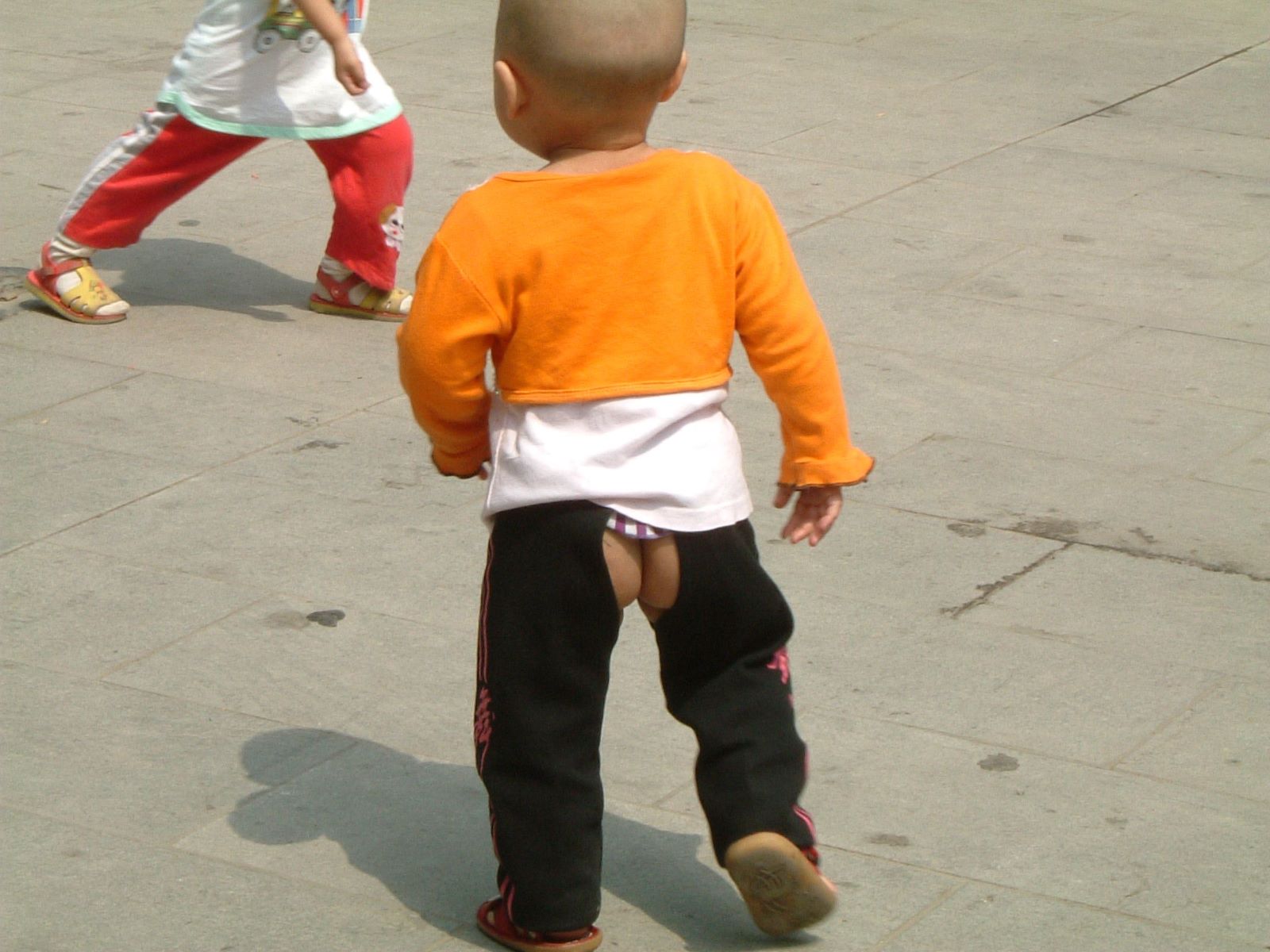
Chinese babies wear split-crotch pants, known as kaidangku, because the open seam allows toddlers to squat and relieve themselves without removing their clothing. This traditional practice has been a part of Chinese culture for generations, and parents may find this method more environmentally friendly compared to disposable diapers.
The Tradition of Split-Crotch Pants
Split-crotch pants, known as kaidangku, have been a staple in Chinese culture for generations. These pants, with an open seam in the crotch area, serve several practical purposes.
Convenience for Potty Training
One of the primary reasons for the popularity of split-crotch pants is their convenience for potty training.
- Easy Access: The open design allows children to squat and relieve themselves without the need to remove their pants.
- Less Laundry: Parents may save time and effort on washing clothes since children can relieve themselves without soiling the pants.
- Environmental Benefits: Reducing reliance on diapers can make this method more eco-friendly.
Cultural Significance
Kaidangku also hold cultural importance in Chinese society.
- Historical Roots: These pants have been used for centuries, reflecting traditional child-rearing practices.
- Symbol of Independence: Encouraging children to use the toilet independently fosters a sense of self-reliance from a young age.
- Community Norms: In many rural areas, it's common to see children wearing these pants, reinforcing a sense of community and shared practices.
Health and Hygiene
Health and hygiene considerations also play a role in the continued use of split-crotch pants.
- Air Circulation: The open design may promote better air circulation.
- Natural Positioning: Squatting is a natural position for elimination.
- Early Awareness: Children may become more aware of their bodily functions, which some believe can lead to earlier potty training.
Modern Adaptations
While traditional kaidangku remain popular, modern adaptations have emerged to suit contemporary lifestyles.
- Hybrid Designs: Some parents opt for pants with snap closures, combining the convenience of split-crotch pants with the coverage of regular trousers.
- Urban Settings: In urban areas, where public sanitation facilities are more common, parents might use split-crotch pants at home and regular pants outside.
- Cultural Exchange: As more people learn about this practice, some parents outside China have started adopting similar methods for potty training.
Conclusion
The use of split-crotch pants in China is a blend of tradition, practicality, and cultural significance. While they may seem unusual to outsiders, these pants offer numerous benefits that have kept them in use for generations.
Embracing Tradition in Modern Times
Split-crotch pants, or kaidangku, are more than just a piece of clothing. They reflect deep-rooted cultural practices and parenting philosophies in China. These pants offer practical benefits like easy toilet training and comfort for babies. Despite the rise of modern diapers, many families still prefer this traditional method, valuing its environmental and economic advantages.
Understanding the reasons behind this practice helps us appreciate the diversity in parenting across the world. It shows how traditions can coexist with modern conveniences, offering a unique blend of the old and new. Whether you find split-crotch pants unusual or fascinating, they are a testament to the rich cultural heritage that shapes daily life in China.
Related travel guides: 17 Best Travel Bassinets for Safe Family Vacations, How To Clean Kiinde Bottle Warmer, and How To Put Cup Holder Down On Nuna Rava.
