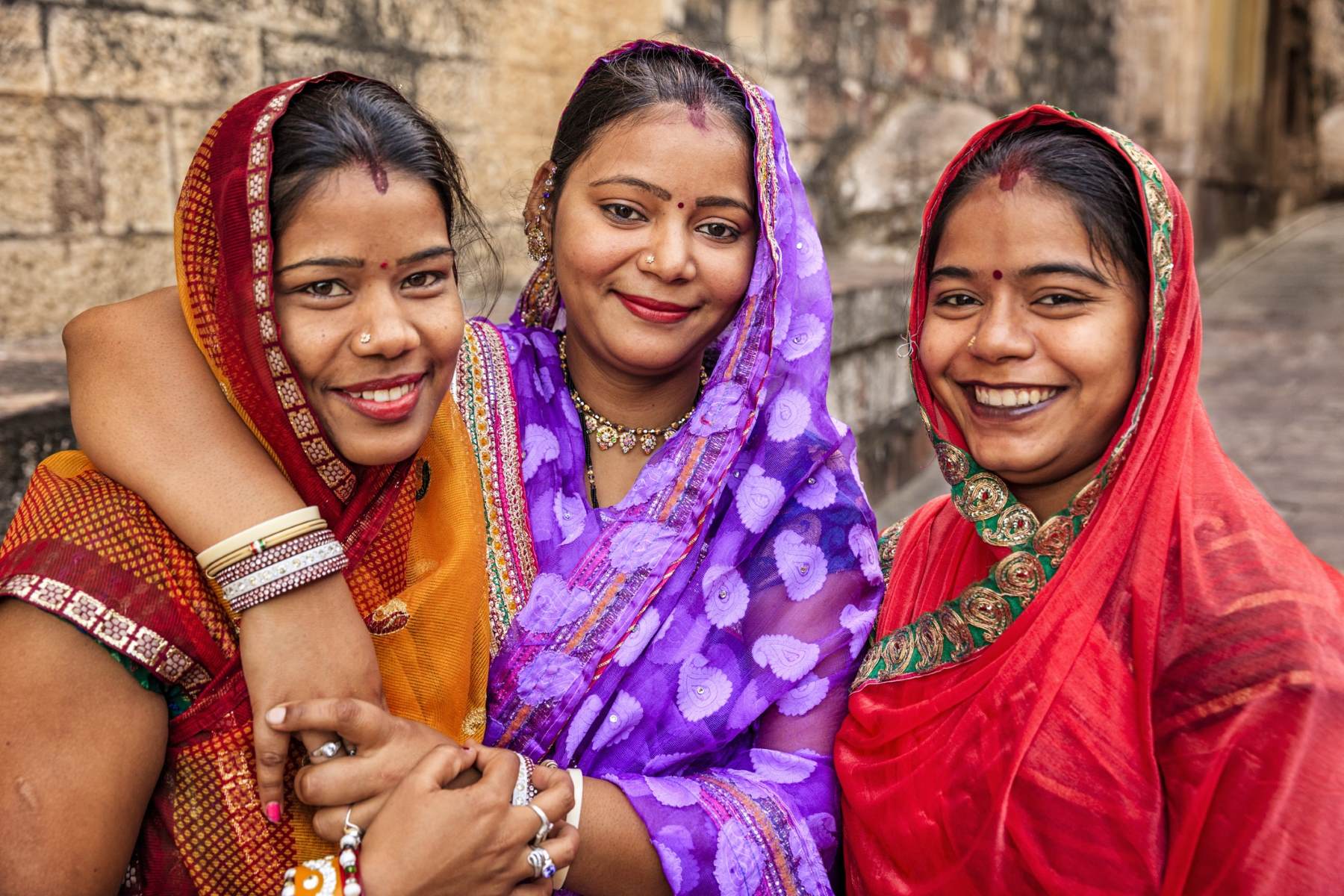
Indian head shakes are a unique part of the culture, used to express agreement, acknowledgement, or even just to show that someone is listening. The gesture is a wobble or bobble, not a side-to-side shake, and its meaning shifts with speed, rhythm, and facial expression.
What Does the Indian Head Shake Mean?
The Indian head shake, also known as the head bobble, can be confusing for those unfamiliar with it. This gesture conveys a variety of meanings depending on the context, speed, and angle of the wobble.
Related travel guides: 7 Indian Temples With Erotic Sculptures That Will Leave You Astonished, The Mystery Behind Kakao Friends, and Fascinating Locations Of Natural Arch Formations.
Agreement and Affirmation
One of the most common meanings of the Indian head wobble is agreement or affirmation. A quick, fluid motion often means "yes" or "I agree."
- Quick Head Wobble: This indicates strong agreement or a positive response. It's like a nod but with a twist.
- Slow Head Wobble: A slower wobble means a more thoughtful or considered agreement. It suggests the person has taken a moment to think before agreeing.
Politeness and Acknowledgment
In many cases, the head wobble is a polite way to acknowledge someone or something. It conveys respect and attentiveness, and often serves to avoid a blunt refusal.
- Gentle Bobble: A gentle, almost imperceptible bobble acknowledges someone's presence or words without interrupting.
- Slight Tilt with Smile: Adding a slight tilt and a smile makes the gesture more polite and friendly, showing warmth and openness.
Uncertainty or Hesitation
The head wobble can also indicate uncertainty or hesitation. This is often seen when someone is unsure or needs more information.
- Head Wobble with Raised Eyebrows: A wobble combined with raised eyebrows signals that the person is unsure or hesitant. Combining the wobble with raised eyebrows emphasizes the uncertainty, making it clear that the person is questioning or doubting something.
Cultural Nuances and Variations
The Indian head wobble is rich with cultural nuances and varies from region to region. Understanding these variations helps in interpreting the gesture more accurately.
- Regional Differences: In some parts of India, the head wobble might be more pronounced or have a different rhythm, reflecting local customs and communication styles.
- Generational Differences: Younger generations might use the head wobble differently compared to older generations, influenced by modern communication trends and global exposure.
Non-Verbal Communication in India
The head wobble is just one aspect of non-verbal communication in India. Understanding these gestures can enhance your interactions and help you connect more deeply with people.
- Hand Gestures: Alongside the head wobble, hand gestures play a crucial role in Indian communication. For example, the "namaste" gesture is a common way to greet and show respect.
- Facial Expressions: Facial expressions often accompany the head wobble, adding layers of meaning. A smile, frown, or raised eyebrows can significantly alter the interpretation of the gesture.
Understanding the Indian head wobble can greatly enhance your interactions and help you navigate social situations with ease. Whether you're traveling in India or interacting with Indian friends and colleagues, this knowledge will serve you well.
Understanding Indian Head Wobbles
Indian head wobbles reflect a rich cultural heritage and convey a range of emotions and responses. From the subtle head wobble indicating agreement or understanding to the more pronounced nods and tilts, these movements are integral to communication in India. The wobble itself is an even, continuous rhythmic movement, not an uneven or wobbly shake.
Travelers should pay attention to these gestures to better connect with locals. Misinterpreting a head wobble could lead to confusion, but understanding them can enhance interactions.
Next time you visit India, observe these head wobbles closely. They offer a unique insight into the culture and can make your experience more enriching. Embrace the nuances of Indian communication and you'll find yourself more attuned to the subtleties of this vibrant culture.