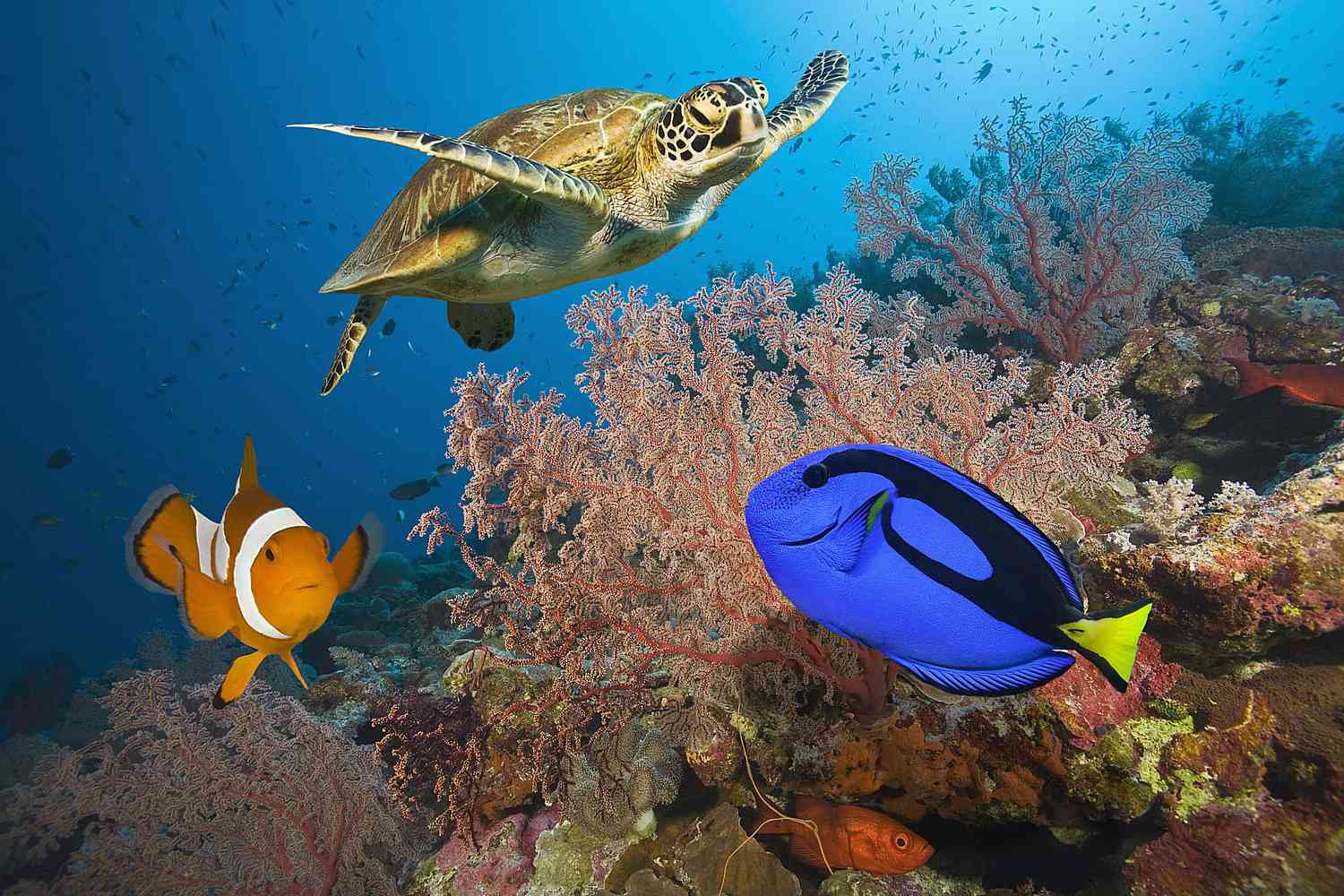
Tourism both funds the Great Barrier Reef's protection and physically damages its coral. The economic boost from millions of visitors each year comes with a cost: direct contact from snorkelers and divers, plus chemicals washed off from sunscreen, stress the very ecosystem those tourists come to see.
Importance of the Great Barrier Reef
The Great Barrier Reef holds immense ecological and cultural significance, making it a treasure not just for Australia but for the entire world. It is home to a diverse range of marine species, including over 1,500 species of fish, 134 species of sharks and rays, and 6 of the world's 7 species of marine turtles. The reef also supports dolphins, sea snakes, and dugongs. This rich biodiversity contributes to the overall health of the ocean and plays a crucial role in maintaining the global ecosystem.
Beyond its environmental importance, the Great Barrier Reef is a UNESCO World Heritage Site and a source of pride for the Australian people. It holds deep cultural significance for Indigenous communities who have relied on the reef for sustenance and as a spiritual and cultural symbol for thousands of years. The reef is also a popular tourist destination, attracting millions of visitors annually. Its coral formations, clear waters, and marine life make it a must-see attraction for nature enthusiasts and divers. For those seeking travel inspiration in Australia, the reef offers unparalleled underwater experiences.
In addition to its ecological and cultural value, the Great Barrier Reef contributes significantly to the Australian economy. It generates billions of dollars in revenue annually, supporting industries such as tourism, fishing, and research. The tourism sector benefits significantly from the reef's popularity. Tourists explore the reef's underwater wonders, bustling with corals and marine creatures. This influx of tourists brings economic growth to coastal communities, providing employment and supporting small businesses.
The Great Barrier Reef is a natural wonder that must be cherished and protected. Its importance extends beyond Australia, as it plays a vital role in maintaining the health of the world's oceans. Preserving the reef ensures the survival of countless species and safeguards the livelihoods of those who depend on it. Understanding the significance of the Great Barrier Reef is key to implementing sustainable practices that will protect its delicate ecosystem for future generations.
Economic Impact of Tourism on the Great Barrier Reef
The tourism industry surrounding the Great Barrier Reef contributes significantly to the Australian economy, generating billions of dollars in revenue each year and supporting local communities through employment. The economic impact includes direct spending by tourists, job creation, and the multiplier effect throughout the economy.
Direct spending in the Great Barrier Reef region covers accommodation, transportation, dining, and recreational activities. These expenditures benefit hotels, restaurants, souvenir shops, and dive operators, which then employ local staff and engage in further spending, creating a ripple effect that stimulates economic growth. For travelers seeking travel inspiration in Australia, the reef remains a premier destination that drives this economic activity.
The industry creates direct employment for tour guides, dive instructors, hotel staff, and marine biologists. Indirect employment arises when supply chain businesses—such as food suppliers, transportation services, and maintenance companies—benefit from tourist influx. These jobs provide income for local residents and contribute to the area’s economic development.
The multiplier effect circulates tourist spending through the local economy, increasing individual income and overall economic activity. This effect can boost not only tourism but also other regional industries.
Economic benefits are not evenly distributed, and leakage occurs when revenue flows out to international businesses. The tourism industry can contribute to coral reef stress through various means. The influx of visitors can result in increased stress on corals due to physical contact, such as touching, from poorly managed activities like snorkeling, diving, and sailing. Additionally, the use of sunscreens containing harmful chemicals, which can be washed off into the water when snorkeling or diving, can impact coral health.
Sustainable tourism practices that prioritize local businesses, ensure fair distribution of benefits, and minimize environmental impact are crucial. The economic impact of tourism on the Great Barrier Reef brings revenue, employment, and growth to surrounding communities, and sustainable practices help protect the reef while supporting the region’s economic well-being.
Environmental Impact of Tourism on the Great Barrier Reef
While tourism brings economic benefits to the Great Barrier Reef, it also poses significant environmental challenges. The sheer volume of visitors, along with their activities, can have detrimental effects on the delicate ecosystem of the reef.
One of the major environmental concerns associated with tourism is the physical damage caused by direct contact with the reef. The influx of visitors to the reef can result in increased stress on the corals due to physical contact, such as touching. Careless swimming, snorkeling, or diving can result in coral breakage, which disrupts the reef structure and habitat for marine life. Additionally, anchoring boats on the reef can cause further damage as the anchors scrape and break the corals. These physical impacts can take years or even decades to recover, negatively affecting the overall health and biodiversity of the reef.
The disposal of waste and pollution from tourist facilities and activities is another critical issue. Improper waste management, including the dumping of sewage and littering, can introduce harmful substances and pollutants into the marine environment. These pollutants can damage corals, lead to water contamination, and endanger marine life. It is imperative to implement effective waste management practices and educate tourists about their responsibility to minimize their ecological footprint.
The increased demand for recreational activities, such as diving and snorkeling, can also put pressure on the reef. Large numbers of visitors in concentrated areas can contribute to overuse and trampling of fragile corals. In some cases, excessive amounts of sunscreen used by tourists can contain harmful chemicals that can harm coral reefs. Efforts should be made to educate tourists about responsible behavior and promote sustainable practices to minimize impacts on the reef.
A significant concern regarding the environmental impact of tourism on the Great Barrier Reef is coral bleaching. Coral bleaching occurs when corals expel the algae that live within their tissues, leading to a loss of color and a breakdown of the symbiotic relationship between corals and algae. Factors such as rising sea temperatures, pollution, and increased nutrient runoff from tourism activities can trigger bleaching events. The mass bleaching events in recent years have had devastating consequences for the Great Barrier Reef, affecting not only the corals but also the entire ecosystem that relies on them. For those seeking travel inspiration in Australia, the reef remains a top destination, but its fragility underscores the need for responsible visitation.
Efforts are being made to mitigate the environmental impact of tourism on the Great Barrier Reef. These include implementing strict regulations and guidelines for tour operators, promoting sustainable tourism practices, and conducting research to better understand and protect the reef. Initiatives such as the Great Barrier Reef Marine Park Authority's reef stewardship program aim to educate tourists and encourage responsible behavior while visiting the reef.
Preserving the environmental integrity of the Great Barrier Reef is crucial for its long-term survival. It requires a collective effort from both tourists and the tourism industry to minimize their impact on the reef and adopt sustainable practices. By doing so, we can ensure that future generations will continue to experience the beauty and wonder of this extraordinary natural treasure.
Coral Bleaching and Tourism
Coral bleaching is a significant concern for the Great Barrier Reef, and the tourism industry plays a role in exacerbating this issue. Coral bleaching occurs when corals expel the colorful algae that live within their tissues, causing them to turn white or pale. This happens as a response to stress, such as increased water temperatures, pollution, or other environmental factors.
The warming of the oceans is a major factor driving coral bleaching, and climate change plays a significant role in this process. As global temperatures rise, so do sea surface temperatures, putting stress on the corals. The tourism industry indirectly contributes to climate change through air travel and carbon emissions from tourist transportation and accommodations, further exacerbating the issue.
While it is important to acknowledge the role tourism plays in coral stress, it is equally important to note that the tourism industry can also play a part in conservation. By promoting responsible tourism practices and raising awareness among visitors, the industry can contribute positively to the preservation of the reef. Visitors seeking travel inspiration in Australia can find eco-conscious operators who prioritize reef protection.
Several initiatives are being undertaken to address coral stress within the tourism sector. Tour operators are encouraged to educate their customers about the importance of not touching or damaging corals, using reef-friendly sunscreens, and adopting sustainable practices. Additionally, many tour operators have implemented strict guidelines and regulations to ensure visitors respect the reef and minimize their impact. By working together, the tourism industry, researchers, and conservationists can develop strategies to protect the Great Barrier Reef from the threats of coral bleaching.
Sustainable tourism practices are key to mitigating the impact of tourism on coral stress. This includes supporting and participating in conservation projects, supporting eco-friendly accommodations and tour operators, and contributing to research and monitoring efforts. By choosing tour operators and activities that prioritize environmental protection and adopting responsible behavior as visitors, we can help minimize our impact on the reef and contribute to its long-term health.
Coral bleaching is a pressing issue for the Great Barrier Reef, and the tourism industry has a role to play in addressing this critical problem. By acknowledging the impact of tourism on coral stress, implementing sustainable practices, and raising awareness among visitors, we can work towards preserving the beauty and biodiversity of this magnificent natural wonder for generations to come.
Sustainable Tourism Practices
Sustainable tourism practices are vital for ensuring the long-term preservation of the Great Barrier Reef and minimizing the impact of tourism on the fragile ecosystem. By adopting sustainable practices, both tourists and the tourism industry can contribute to the conservation and protection of this unique natural treasure.
One of the key principles of sustainable tourism is minimizing the ecological footprint. This can be achieved through responsible behavior, such as not touching or damaging corals, refraining from littering, and using reef-friendly sunscreens that do not contain harmful chemicals. Tourists should also follow designated paths and guidelines provided by tour operators to avoid trampling on fragile marine life.
Another important aspect of sustainable tourism is supporting eco-friendly accommodations and tour operators. Choosing accommodations that have implemented sustainable practices, such as energy and water conservation, waste reduction, and responsible resource management, helps minimize the environmental impact. Similarly, selecting tour operators that prioritize sustainability, conservation, and education can ensure that tourism activities have minimal negative effects on the reef. For those seeking travel inspiration in Australia, choosing certified operators is a responsible way to explore the reef.
Engaging in educational activities and tours that promote awareness and understanding of the Great Barrier Reef is an essential part of sustainable tourism. By learning about the reef's ecological importance and the threats it faces, tourists can develop a greater appreciation for its conservation and become advocates for its protection. Many tour operators offer educational opportunities, such as guided tours with marine biologists and interactive exhibits, to enhance visitors' understanding of the reef and its fragile ecosystem.
Collaboration between the tourism industry, researchers, and local communities is crucial for the success of sustainable tourism practices. Undertaking research and monitoring efforts to better understand the reef's ecosystem and implementing strategies to reduce pollution and waste are essential steps. Additionally, involving local communities in decision-making processes and empowering them to benefit economically from sustainable tourism fosters a sense of ownership and encourages the preservation of the reef for future generations.
Certification programs and accreditation schemes, such as the Great Barrier Reef Marine Park Authority's ECO Certification and EarthCheck, provide a framework for businesses to measure and improve their sustainability practices. These programs recognize and reward environmentally responsible operators and guide tourists in their choice of sustainable tourism activities and accommodations.
By prioritizing sustainable tourism practices, we can ensure that the economic benefits of tourism are balanced with the protection of the Great Barrier Reef. This involves adopting responsible behavior as visitors, supporting eco-friendly accommodations and tour operators, and participating in educational activities. Through these collective efforts, we can enjoy the beauty of the reef while safeguarding it for future generations to cherish and appreciate.
Conclusion
The Great Barrier Reef is a magnificent natural wonder that holds immense ecological, cultural, and economic significance. It is vital to understand the impact of tourism on the reef and work towards sustainable practices that strike a balance between economic development and environmental conservation.
Tourism brings significant economic benefits to the Great Barrier Reef region, generating revenue and employment opportunities for local communities. However, it also poses environmental challenges, including physical damage to the corals, pollution, and coral reef stress. These impacts require urgent attention and action from both tourists and the tourism industry.
Acknowledging the importance of the Great Barrier Reef and the need to protect its delicate ecosystem is the first step towards responsible tourism. Tourists can adopt responsible behavior by respecting the reef, avoiding physical contact, and using reef-friendly sunscreens. Choosing eco-friendly accommodations and tour operators that prioritize sustainability further minimizes the environmental footprint of tourism. Sustainable tourism practices also include engaging in educational activities that promote awareness and understanding of the reef, fostering a deeper appreciation for its conservation. Collaboration between the tourism industry, researchers, and local communities is crucial for implementing sustainable strategies and monitoring the health of the reef.
In conclusion, by implementing sustainable practices, the tourism industry and tourists alike can contribute to the long-term preservation of the Great Barrier Reef. Through responsible tourism, we can ensure that the reef continues to thrive and inspire generations to come.