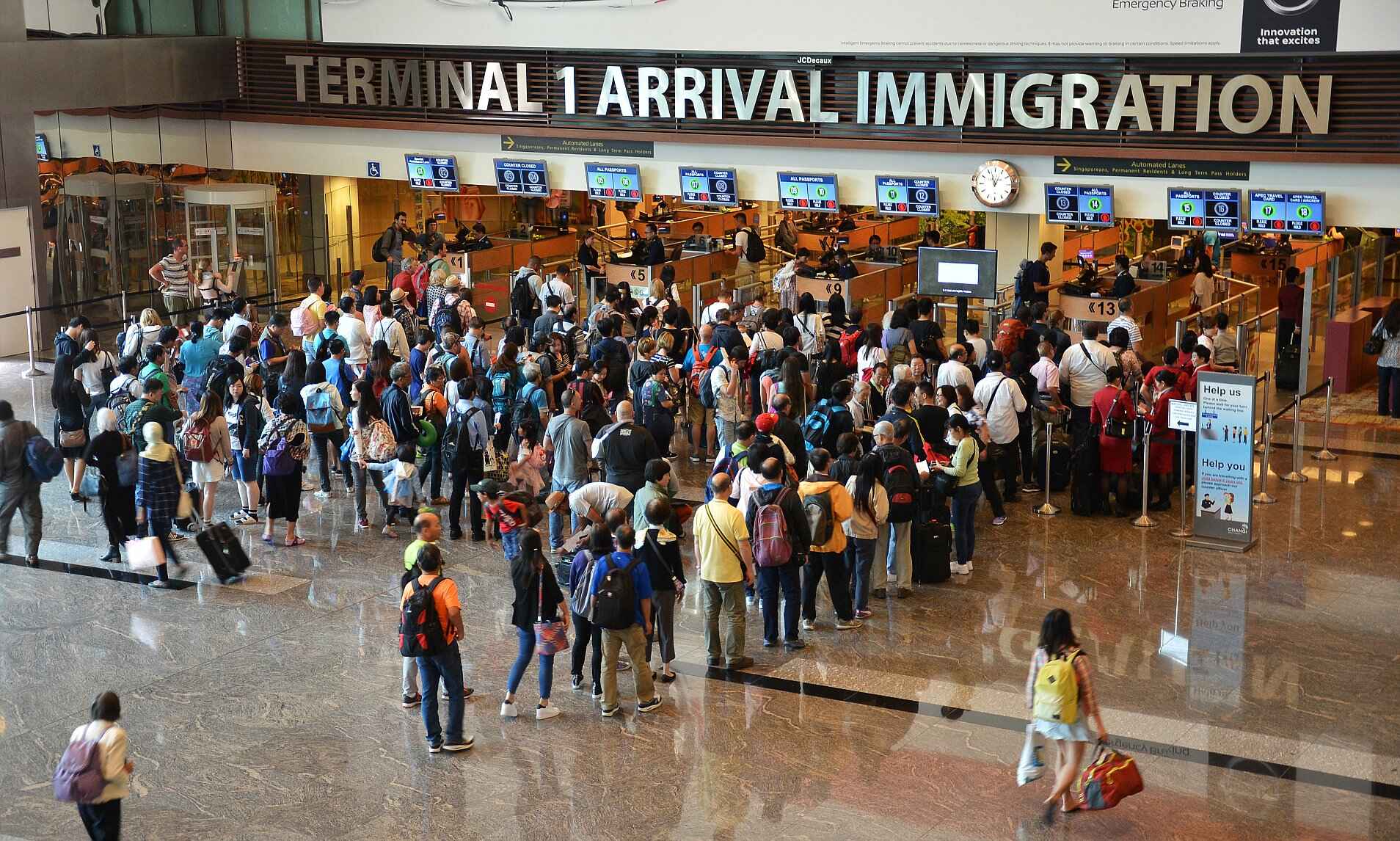
Immigration at airports takes anywhere from 15 minutes to over an hour. That range depends heavily on whether you can use an e-gate or trusted-traveler lane, which can cut the wait to the low end. At busy airports, expect 45–90 minutes or longer. While duration varies by airport and time of day, proper preparation—like enrolling in programs that let you add TSA PreCheck to an existing Delta reservation or add your MileagePlus number to a reservation—can significantly reduce time in line.
Immigration Process at Airports
The immigration process at airports involves several steps travelers must complete upon arrival. While specific procedures vary by country and airport, the general process typically includes the following:
Related travel guides: How Long Does Immigration Take At Heathrow.
- Arrival and Queueing: Upon disembarking, follow signs to the immigration area. Depending on the airport and arrival time, you may find long queues. Be prepared to wait in line. In general, the immigration process can range from about 15 minutes to over an hour, depending on various factors and whether you can use an e-gate or trusted-traveler lane.
- Travel Documents Check: Approach the immigration officer’s booth with your passport, completed arrival card, and any supporting documents for your visa or entry requirements. The officer will verify your identification, visa, and other documents.
- Biometric Data Collection: In many countries, biometric data such as fingerprints or facial recognition is collected. Follow the officer’s instructions to provide the required biometrics.
- Questioning and Purpose of Visit: The officer may ask about the purpose of your visit, duration of stay, accommodation details, and other relevant information. Answer honestly.
- Entry Stamp: If approved, the officer will stamp your passport with the date and place of entry. Some countries issue a separate entry card. Keep both safely during your stay, as you may need them during departure or other immigration processes.
- Baggage Claim and Customs: After immigration, proceed to baggage claim to collect your luggage. You may also pass through customs, where your baggage may be randomly selected for inspection.
It’s important to note that the immigration process is a crucial step for all travelers entering a foreign country. Compliance with specific requirements and regulations of the country you are traveling to ensures a smooth entry experience. If you are a frequent traveler, you might consider whether it makes sense to add TSA PreCheck to an existing Delta reservation to expedite future domestic travel, though this does not affect airport immigration procedures.
Factors Affecting Immigration Time
Several factors can affect the duration of the immigration process at airports. Understanding these factors can help you better manage your time and expectations. Here are some key factors that can influence the immigration time:
- Flight Arrival Time: The time you arrive at the airport can significantly impact the immigration queue. Peak travel hours and busy periods, such as holidays or weekends, tend to have longer wait times. Arriving during off-peak hours or choosing less crowded days can potentially reduce your immigration time.
- Number of Flights: The number of flights arriving simultaneously can affect the immigration process. If multiple flights land around the same time, the immigration area may become crowded, leading to longer queues.
- Passenger Volume: The number of passengers arriving at the airport can also impact immigration time. If there are large groups of travelers, such as tour groups or international conferences, it may take longer to process everyone through immigration.
- Efficiency of Immigration Officials: The efficiency and staffing levels of immigration officers play a significant role in determining the speed of the immigration process. Adequate staffing and well-trained officers can help expedite the queues and reduce wait times.
- Documentation and Visa Requirements: Having all the necessary documents and meeting the visa requirements for your destination can help streamline the immigration process. Ensure that your passport is valid, your visa is up to date, and you have any supporting documents or entry permits required by the country.
- Biometric Data Collection: If biometric data collection is part of the immigration process, the time it takes to capture this data can impact the overall duration. Follow the instructions provided by the immigration officers to ensure a smooth and efficient process.
- Immigration Policy Changes and Special Circumstances: Changes in immigration policies or unexpected circumstances, such as security alerts or health screenings, can potentially cause delays at immigration checkpoints. Stay informed about any recent policy changes or travel advisories to be prepared for any potential impact on your immigration time.
It is important to note that while these factors can affect the immigration time, they can vary from one airport to another and can change over time. It is always advisable to arrive with ample time, especially during peak travel seasons, to account for unforeseen circumstances and ensure a stress-free immigration experience.
Preparing for the Immigration Process
Proper preparation before arriving at the airport can help streamline the immigration process and minimize potential delays. Here are essential steps to ensure a smooth experience:
- Review Entry Requirements: Before your trip, check whether you need a visa, entry permits, or any specific documents. Ensure your passport is valid for at least six months beyond your planned departure date.
- Complete Arrival Forms: Many countries require arrival forms or customs declarations before landing. Fill them out accurately and have them ready to present to the immigration officer.
- Organize Travel Documents: Keep your passport, visa, and other necessary documents easily accessible. Have physical and digital copies as a backup.
- Follow Baggage Regulations: Familiarize yourself with the airline and destination country’s baggage rules. Ensure luggage meets size, weight, and content restrictions to avoid issues during immigration.
- Prepare Arrival Information: Have your flight details, accommodation address, and any other required information ready for the immigration officer.
- Check Health and Vaccination Requirements: Some countries require specific vaccinations or health certificates. Prepare these before your trip.
- Keep Important Contact Information: Note your country’s embassy or consulate contact details in the destination country for emergencies.
- Be Familiar with Local Customs and Laws: Understanding local customs creates a positive impression during immigration and throughout your stay.
By taking these preparatory steps, you ensure you have all necessary documents and information at hand, reducing delays or complications. Being prepared saves time and helps start your trip on a positive note.
Typical Immigration Time at Airports
The duration of the immigration process at airports can vary depending on several factors, including airport size, passenger volume, and the efficiency of immigration officers. While it is challenging to provide an exact estimate, it is helpful to have a general idea of the typical duration.
For smaller airports or during off-peak hours, the process can be relatively quick, with minimal wait times. However, for larger airports or during busy periods, such as peak travel seasons or important events, immigration lines can be longer, often stretching to 45–90 minutes or over an hour.
In some cases, airports may have dedicated immigration lanes for certain travelers, such as families, disabled individuals, or frequent flyers. These lanes can expedite the process, reducing wait times for eligible passengers. It is worthwhile to check if you qualify for any special lanes or expedited immigration programs at the airport you are traveling to.
It is essential to note that immigration time can vary based on the traveler's circumstances. For example, travelers with specific visas or entry permits may need to undergo additional scrutiny and questioning, which can potentially lengthen the process.
To get a more accurate estimate at a specific airport, it is recommended to research or inquire with local authorities or fellow travelers who have recently been through the same airport. Online forums and travel websites can also provide valuable insights into typical immigration durations at various airports around the world.
Remember that arriving with sufficient time before your connecting flight or any onward transportation is crucial. It is advisable to factor in potential delays at immigration when planning your travel itinerary.
By being aware of the potential range of immigration times and allowing for ample time, you can minimize any stress or anxiety and ensure a smoother entry into your destination country.
Immigration Time for Different Visa Types
The immigration time can vary depending on the type of visa or entry permit you possess. Different visa types may require additional checks, questioning, or verification processes, which can affect the overall duration. Here are common visa types and their potential impact on immigration time:
- Visa-exempt Travel: For travelers eligible for visa-free entry, the process is typically straightforward and quick. Immigration officers may still ask routine questions about the purpose of your visit, duration of stay, and accommodation details, but the process is generally expedited compared to other categories.
- Tourist Visas: Tourist visas usually require travelers to provide basic information about their trip, including itinerary, accommodation details, and proof of sufficient funds. The time may vary depending on the country and specific requirements.
- Student Visas: Students on a student visa may need additional documentation, such as an acceptance letter from a registered educational institution, proof of enrollment, and financial documents. The process may take longer due to verification and validation of the student's information.
- Work Visas: Travelers entering on a work visa may need to provide detailed employment information, such as a work contract, employer sponsorship letters, and proof of qualifications or professional certifications. The time can be lengthier, as officers must ensure the traveler meets employment criteria.
- Business Visas: Business visas typically require documentation related to business activities, such as letters of invitation from a host company, conference registrations, or proof of participation in business meetings. The time may vary depending on the country's specific requirements and the purpose of the visit.
- Transit Visas: For travelers transiting through a country and requiring a transit visa, the immigration time may be relatively shorter compared to other visa types. However, it is essential to check the specific requirements and allow sufficient time for a smooth transit.
Regardless of the visa type, immigration time can still be influenced by factors such as the airport's size, passenger volume, and the efficiency of immigration officers. It is advisable to arrive well-prepared with all necessary documents to expedite the process. Remember to check the specific immigration requirements for your visa type and destination country to ensure a smooth entry.
Tips to Expedite the Immigration Process
While the immigration process at airports can sometimes be time-consuming, there are several tips and strategies you can use to expedite the process and minimize any potential delays. Here are some useful tips to help you navigate through immigration more efficiently:
- Be Prepared: Ensure that you have all the necessary documents readily available, including your passport, visa, arrival forms, and any supporting documents. Keep them organized and easily accessible to avoid any delays or fumbling at the immigration counter.
- Follow Instructions: Pay close attention to the instructions provided by the immigration officers and follow their guidance. This includes providing biometric data, answering questions accurately and concisely, and presenting your documents when requested.
- Be Honest and Courteous: Answer the immigration officer's questions honestly and provide any additional information they may require in a polite and respectful manner. Being transparent and cooperative can help expedite the process.
- Use Dedicated Lanes: Some airports have dedicated immigration lanes for specific groups such as families, diplomats, or frequent flyers. If you qualify for any of these lanes, take advantage of them to bypass the regular queues and reduce your waiting time.
- Arrive at Off-Peak Hours: Consider arriving at the airport during off-peak hours when passenger traffic is generally lower. This can help reduce the overall wait time at immigration counters.
- Utilize Global Entry or Trusted Traveler Programs: If you frequently travel internationally, consider enrolling in programs such as Global Entry or Trusted Traveler Programs. These programs offer expedited immigration and customs processing for pre-approved, low-risk travelers. For domestic travel, you can also add TSA PreCheck to an existing Delta reservation to speed up security screening.
- Check for Mobile Passport Control: Some airports have implemented Mobile Passport Control apps that allow eligible travelers to complete the immigration process using their smartphones. This can help expedite the process by providing a faster and more efficient way to submit your information.
- Keep Track of Policy Changes: Stay informed about any recent policy changes or travel advisories that may impact the immigration process. Being aware of these changes in advance can help you prepare and adjust your travel plans accordingly.
- Stay Informed: Research the specific immigration procedures and requirements of the country you are traveling to. Familiarize yourself with any specific forms, fees, or processes involved to ensure a smooth entry process.
- Allow for Ample Time: Finally, regardless of the tips mentioned above, it is always advisable to plan your arrival with sufficient time before any connecting flights or onward transportation. Allowing for extra time can account for potential delays and provide you with peace of mind during the immigration process.
By following these tips and incorporating them into your travel routine, you can minimize any unnecessary delays and streamline the immigration process, ensuring a smoother experience at the airport.
Common Delays and Issues at Immigration
While the immigration process at airports is generally smooth, a few common delays and issues can extend wait times. Familiarizing yourself with these potential obstacles can help you better prepare and mitigate any delays. Here are common delays and issues at immigration:
- Long Queues: Depending on the airport size, time of arrival, and passenger volume, long queues can form at immigration. This can result in extended wait times, especially during peak travel periods or when multiple flights arrive simultaneously.
- Documentation Issues: Issues with travel documents, such as an expired passport or visa, missing or incomplete arrival forms, or inadequate supporting documents, can cause delays at immigration. Ensure that all your documents are valid and up to date before traveling.
- Visa or Entry Permit Discrepancies: If there are discrepancies or inconsistencies in the details of your visa or entry permit, such as misspelled names, incorrect dates, or wrong visa category, the immigration officer may need to clarify or rectify the information, which can result in delays.
- Security Checks: In the interest of safety and security, immigration officers may conduct additional security checks on certain passengers. This can involve further questioning, baggage inspections, or even background checks, leading to longer processing times.
- Technical or System Issues: Occasionally, airports may experience technical glitches or system failures that can delay the immigration process. These issues may result in slower processing times or the need for manual verification of documents.
- Influx of Passengers: During specific events, conferences, or holidays, there may be a sudden influx of passengers at the airport. This increased passenger volume can lead to overcrowding and longer immigration queues.
- Immigration Officer Availability: Insufficient staffing or the absence of immigration officers can slow down the processing time. This can happen if there is a shift change or if there are unforeseen circumstances that affect staffing levels.
- Language Barriers or Miscommunication: Language barriers or miscommunication between travelers and immigration officers can cause delays in understanding and verifying information. It is helpful to have basic knowledge of the local language or carry translation aids to overcome this issue.
- Ad hoc Inspections: Immigration officers may randomly select certain passengers for additional inspections or questioning. These ad hoc inspections can happen to anyone and may lead to longer processing times for the individuals selected.
- Health Screening Requirements: In certain situations, such as disease outbreaks or public health emergencies, additional health screenings may be conducted at immigration. These screenings can involve temperature checks, travel history inquiries, or verification of vaccination records.
While these delays and issues can be frustrating, it is important to remain patient and cooperative during the immigration process. By being well-prepared, ensuring the accuracy of your documents, and allowing for ample time, you can minimize any potential hiccups and ensure a smoother entry into your destination country.
Conclusion
The immigration process at airports is an essential step for international travelers, ensuring the safety and security of both individuals and countries. While the duration can vary depending on factors such as airport size, passenger volume, and visa type, there are several steps you can take to expedite the process and minimize any potential delays.
By being prepared, following instructions, and allowing for ample time, you can navigate through immigration more efficiently. Familiarize yourself with the entry requirements, complete arrival forms accurately, and have all necessary documents readily accessible. Additionally, taking advantage of dedicated immigration lanes, enrolling in trusted traveler programs, and utilizing mobile passport control apps can help expedite the process further.
It is important to note that delays can arise, such as long queues, documentation discrepancies, and unexpected security checks. However, by maintaining a positive and cooperative attitude, and being patient, you can overcome these obstacles. Remember to stay informed about policy changes, check for health and vaccination requirements, and comply with local laws and customs. By doing so, you can avoid unnecessary complications and make your entry into a new country a seamless experience.