

The best countries to learn French are France, Canada, and eight others, but France itself remains the single most immersive place to start. That said, Canada offers a uniquely affordable and bilingual alternative, especially in Quebec, where you can practice daily with native speakers without crossing the Atlantic. From the Alliance Française schools in Paris to the vibrant streets of Montreal, each destination provides its own cultural treasures and conversation partners—whether you order a croissant in a Loire Valley bakery or explore the châteaux, every interaction sharpens your skills.
France
When it comes to learning French, there's no better place to start than the country where the language originated. Renowned for its rich history, breathtaking architecture, and vibrant culture, France offers an unparalleled immersive experience for French language learners.
From the romantic streets of Paris to the charming countryside, France has a wide range of language programs and schools catering to all levels of proficiency. The Alliance Française, a network of language schools with branches across the country, provides top-notch French courses taught by experienced teachers. In addition to classroom learning, students can practice their language skills by stepping outside and engaging with friendly locals.
Living in France allows learners to fully immerse themselves in the French language and lifestyle. Shopkeepers, waiters, and strangers on the street become daily conversation partners. Whether it's ordering a croissant at the local bakery or asking for directions to a famous landmark, every interaction presents an opportunity to practice and improve your French.
Beyond language schools, France is teeming with cultural, historical, and artistic treasures. From the Louvre Museum in Paris to the stunning châteaux of the Loire Valley, there is no shortage of places to explore and discover the rich heritage of the French-speaking world. The country is also home to fascinating cultural traditions still alive today, enriching the learning experience.
For those seeking a more intensive experience, there are also language exchange programs and homestays available. These programs allow learners to live with a French-speaking family, giving them the opportunity to practice the language daily while also experiencing local customs and traditions.
Whether you choose to study in the bustling capital city or opt for a smaller, more quaint town, France offers an authentic environment for learning French. Immerse yourself in the French way of life, savor the delicious cuisine, and let the language flow naturally as you embrace the beauty of the country.
Canada
Canada, with its unique bilingual nature, offers an exceptional environment for learning French. As the second-largest country in the world, it is home to a significant population of French speakers, particularly in the province of Quebec.
Montreal, the largest city in Quebec, is a vibrant and multicultural hub where French is widely spoken. The city is known for its excellent language schools, which offer French language programs tailored to different proficiency levels. These institutions provide a supportive and immersive learning experience, enabling students to improve their language skills while exploring the city's cultural scene.
In addition to Montreal, other cities in Canada, such as Quebec City, also offer French immersion programs and language schools. These programs allow students to surround themselves with native speakers and practice their French in real-life situations.
One of the unique advantages of learning French in Canada is the opportunity to explore the country's diverse landscapes and outdoor activities. From the stunning Rocky Mountains in Alberta to the picturesque coastlines of Nova Scotia, Canada offers an array of opportunities to practice French while engaging in outdoor adventures.
French-speaking communities in Canada pride themselves on preserving their language and culture. Throughout the year, various cultural events and festivals take place, providing learners with an insight into the vibrant Francophone traditions, including fascinating cultural traditions still alive today. Attending these events not only enhances language skills but also fosters an appreciation for the cultural heritage of the French-speaking communities in Canada.
Moreover, Canada itself is known for its welcoming and inclusive atmosphere, which makes it an ideal destination for language learners. Interacting with locals, whether in everyday situations or through organized language exchange programs, allows students to practice their French while developing meaningful connections.
Whether you choose to study in Montreal, explore the historic streets of Quebec City, or venture into the breathtaking Canadian wilderness, learning French in Canada offers a unique mix of language immersion, cultural experiences, and natural beauty.
Belgium
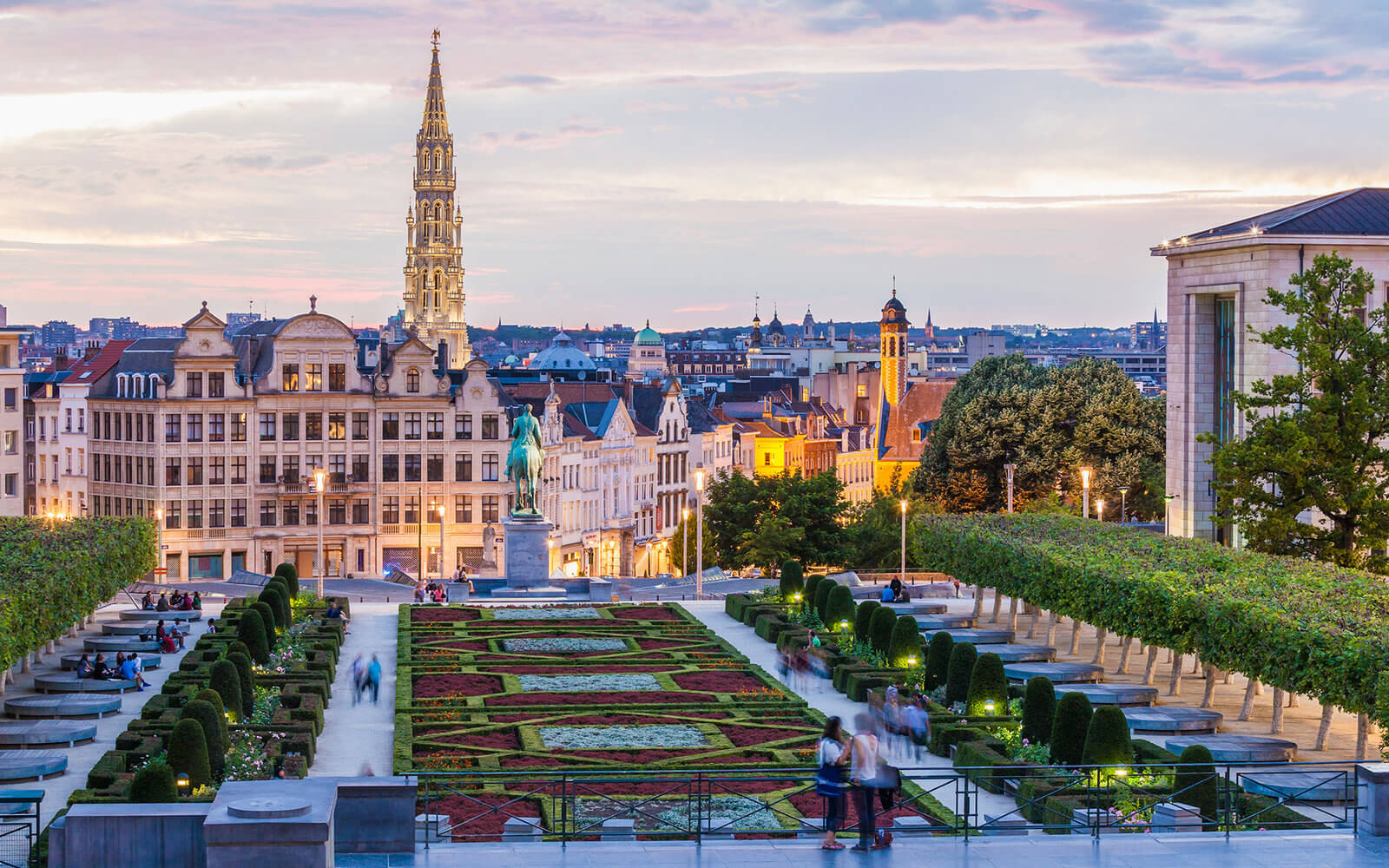
Belgium, a small but fascinating country in Western Europe, is another excellent destination for learning French. With its unique blend of cultural influences and its status as one of the three official languages, French-speaking communities thrive in various parts of the country, particularly in the southern region of Wallonia and the capital city, Brussels.
Brussels, known as the "Capital of Europe," offers a diverse and multicultural environment for language learners.
In addition to Brussels, other cities in the Wallonia region provide opportunities for French language study. These cities boast a rich cultural heritage, charming architecture, and picturesque landscapes that complement the language learning experience.
One of the unique aspects of learning French in Belgium is the exposure to different varieties of French. As Belgium is a bilingual country, with both French and Dutch as official languages, learners have the opportunity to encounter and appreciate the nuances and linguistic diversity within the French language.
Immersing oneself in Belgian culture goes beyond language learning. Indulging in culinary delights such as waffles, chocolate, and Belgian fries while conversing with locals in French is an unforgettable experience. The country's rich history, evident in its medieval cities like Bruges and Ghent, offers a deeper understanding of the French-speaking region's heritage.
Furthermore, Belgium's central location within Europe allows for easy exploration of neighboring countries. Students have the opportunity to travel to nearby France and other Francophone regions, enhancing their language skills through real-life interactions and cultural encounters.
Belgium's welcoming and inclusive atmosphere, coupled with its rich cultural heritage, makes it an excellent choice for those seeking an immersive and diverse learning experience. Whether you choose to study in Brussels, immerse yourself in the charming cities of Wallonia, or simply explore the hidden gems of Belgium, learning French in this vibrant country offers a unique journey of language and culture.
Switzerland
Switzerland, known for its stunning alpine landscapes, chocolate, and watches, is a multilingual country where French is one of the four official languages. Choosing Switzerland as your destination for learning French provides a unique cultural experience coupled with high-quality language education.
Geneva and Lausanne, located in the French-speaking region of Switzerland, offer opportunities for French language study. Students can expect a rigorous academic environment combined with practical language practice opportunities.
One of the advantages of learning French in Switzerland is the exposure to the distinctive Swiss-French dialect. While Standard French is the main language used in education and official settings, the local dialect adds a unique flavor to everyday conversations. Interacting with locals and adapting to the local dialect enriches the learning experience and provides insights into the local culture.
Switzerland's location in the heart of Europe allows for easy exploration of neighboring countries, including France, Italy, and Germany. This proximity provides learners with the opportunity to experience different Francophone cultures and dialects, enhancing their understanding and proficiency in the French language.
Switzerland's commitment to multiculturalism is evident in its diverse population and vibrant international community. Language learners can engage in language exchange programs, attend cultural events, and participate in community activities that foster connections with both local residents and fellow international students. The country also offers fascinating cultural traditions still alive today, which learners can experience firsthand.
Beyond language studies, Switzerland offers a wealth of outdoor activities and natural beauty. From skiing in the Swiss Alps to exploring picturesque Swiss lakes, there are ample opportunities to practice French while immersing oneself in the stunning Swiss landscapes.
Learning French in Switzerland not only equips you with a valuable language skill but also exposes you to a unique blend of cultures, breathtaking scenery, and a multicultural environment that will enrich your overall language learning experience.
Luxembourg
Luxembourg, a small yet enchanting country in Europe, offers a perfect setting for learning French. With its multilingual society and a significant number of French speakers, Luxembourg provides a diverse and immersive environment for language learners.
French is one of the three official languages in Luxembourg, along with German and Luxembourgish. The country's capital, Luxembourg City, is a hub of cultural diversity and a center for language education.
One of the advantages of learning French in Luxembourg is the opportunity to practice French in real-life situations. The country's diverse population ensures that learners can engage with native speakers and enhance their language skills through everyday conversations and cultural interactions.
Living in Luxembourg also exposes learners to a multicultural environment. The country's international atmosphere, with a thriving expatriate community and numerous international organizations, provides a unique setting for developing global connections while immersing oneself in the French language.
Moreover, Luxembourg's central location in Europe allows for easy exploration of neighboring countries such as France, Belgium, and Germany. Students can further enhance their language skills by experiencing different Francophone cultures and dialects while traveling and interacting with locals in nearby regions.
Luxembourg's rich history and architectural treasures, including UNESCO World Heritage sites like the Old Town and iconic castles, provide a captivating backdrop for language learning. A visit to historical landmarks, museums, and cultural events in Luxembourg offers a deeper understanding of the country's heritage and the Francophone influence within its borders. Visitors can also explore fascinating cultural traditions still alive today through local festivals and community events.
Another notable aspect of learning French in Luxembourg is the strong emphasis on language education. The country's commitment to multilingualism is demonstrated through comprehensive language programs, qualified teachers, and a well-established infrastructure for language learning.
Whether you choose to study in the heart of Luxembourg City or explore the charming towns and rural areas, learning French in Luxembourg offers a unique blend of cultural immersion, linguistic diversity, and historical exploration.
Morocco
Morocco, a country located in North Africa, is a fascinating destination for learning French. As one of the official languages in Morocco, alongside Arabic, French holds a significant role in the country's education system, business sectors, and daily life.
Morocco, with its vibrant markets, stunning architecture, and rich cultural heritage, offers a unique learning environment for French language learners. Language schools and institutes in the country provide a range of French language programs, catering to different levels of proficiency and offering a combination of classroom learning and immersive experiences.
One of the advantages of learning French in Morocco is the opportunity to practice the language with native speakers. Interacting with locals in cafés, markets, or participating in cultural activities allows learners to improve their conversational skills and gain insights into Moroccan culture and traditions. You can also explore fascinating cultural traditions still alive today, such as traditional music and festivals that blend Arab, Berber, and French influences.
Furthermore, Morocco's diverse landscapes, from the Atlas Mountains to the Sahara Desert and beautiful coastal towns, provide an enchanting backdrop for language learning. Exploring these natural wonders while engaging in conversations with locals offers an immersive and rewarding experience for French learners.
In addition to Marrakech, cities such as Casablanca and Rabat also offer French language programs and opportunities for language exchange. These cities provide a modern backdrop for language learners, with bustling urban centers, vibrant art scenes, and a mix of traditional and contemporary influences.
As Morocco's French-speaking communities continue to preserve their language and culture, learners can also engage in various cultural events and festivals. These events offer a deep dive into Moroccan traditions, music, and cuisine, creating an enriching cultural experience alongside language learning.
Morocco's unique blend of Arab, Berber, and French influences presents learners with a unique perspective on the Francophone world.
Whether you choose to study in Marrakech, explore the bustling streets of Casablanca, or wander through the historical sites of Rabat, learning French in Morocco offers an opportunity to delve into the captivating blend of cultures, traditions, and languages that define this North African gem.
Haiti
Haiti, located in the Caribbean, is a captivating destination for learning French. As a French-speaking country with a rich cultural heritage, Haiti offers a unique environment for language learners seeking to immerse themselves in vibrant Caribbean culture while mastering the French language.
Port-au-Prince, the capital city, is home to various language schools and institutes that provide comprehensive French language programs. These programs focus not only on language instruction but also on the cultural aspect, allowing students to gain a deeper understanding of Haitian traditions, history, and literature.
Learning French in Haiti offers the opportunity to engage with native speakers on a daily basis. Interacting with locals, whether in markets, cafés, or during cultural events, provides a platform for practicing conversational skills and acquiring an authentic accent and vocabulary.
One of the highlights is the chance to explore the country's vibrant music scene, renowned worldwide for its distinctive rhythms and melodies. Participating in music festivals and experiencing live performances exposes learners to the rich cultural tapestry of Haiti while improving their language skills. This connects to the broader theme of global music and carnivals in arts culture found across French-speaking destinations.
Haiti's natural beauty, with its pristine beaches, breathtaking waterfalls, and lush mountains, creates a stunning backdrop for language learning. Exploring these landscapes while conversing with locals in French offers a unique immersion experience beyond the classroom.
Additionally, Haiti's historical significance, evident in its colonial architecture and UNESCO World Heritage sites such as the Citadelle Laferrière, provides learners with a deeper appreciation for the country's cultural heritage and the role of the French language in its development.
Moreover, the resilience and creativity of the Haitian people have fostered a vibrant arts and crafts scene. Exploring local art galleries and engaging with artists not only enhances language skills but also provides insights into the creative spirit of Haiti.
Learning French in Haiti also contributes to the preservation and promotion of the country's indigenous culture. Haitian Creole, which has strong French influences, is integral to Haitian identity. Gaining proficiency in French allows learners to foster connections with the local community and better comprehend the dynamic linguistic landscape of Haiti.
Whether you choose to study in Port-au-Prince, explore the historic town of Jacmel, or relax on the beaches of Cap-Haïtien, learning French in Haiti provides a window into the vibrant culture, historical richness, and linguistic diversity of this enchanting Caribbean nation.
Senegal
Senegal, a West African country known for its vibrant culture and rich history, offers a captivating setting for learning French. As the official language, French plays a significant role in the country's education system, administration, and media.
The capital city, Dakar, is a hub of cultural diversity and home to numerous language schools and institutes that offer French language programs. These programs provide a comprehensive learning experience, combining classroom instruction with interactive activities and cultural immersion.
Learning French in Senegal provides students with the opportunity to practice the language in authentic settings. Daily interactions with locals, whether in bustling markets, restaurants, or during cultural events, help learners improve their fluency and develop a natural command of the language.
Senegal is renowned for its vibrant music scene, and experiencing the country's traditional music genres such as mbalax and Afrobeat is a treat for the senses. Attending live performances and engaging with local artists allows learners to further immerse themselves in the cultural richness of Senegal while enhancing their language skills.
Senegal's natural beauty also adds to the allure of learning French in this country. From the stunning beaches of Saly to the breathtaking landscapes of the Sine-Saloum Delta and the wildlife-rich national parks, there are ample opportunities to explore and practice French in the midst of Senegal's natural wonders.
Furthermore, Senegal's rich history and cultural heritage offer language learners a deeper appreciation of the French language and its connection to the country. Exploring historical sites such as Gorée Island, which played a significant role in the transatlantic slave trade, provides a thought-provoking context for language learning and cultural exploration.
Immersing oneself in the Senegalese way of life goes beyond language acquisition. The country is known for its teranga, a Wolof word meaning hospitality, and visitors are warmly welcomed into Senegalese homes and communities. Engaging with locals and participating in traditional customs and ceremonies creates meaningful connections and a deeper understanding of the Senegalese culture. This reflects fascinating cultural traditions still alive today.
Whether you choose to study in Dakar, explore the vibrant coastal towns, or venture into the rural communities, learning French in Senegal offers a rich tapestry of cultural experiences, linguistic immersion, and natural beauty that will leave a lasting impression.
Ivory Coast
Ivory Coast, also known as Côte d'Ivoire, is a vibrant country in West Africa that offers a fantastic opportunity to learn French. As the official language of Ivory Coast, French is widely spoken, making it an ideal destination for language learners seeking an immersive experience.
Abidjan, the economic and cultural capital of Ivory Coast, is a bustling city that is home to numerous language schools and institutes offering French language programs. These programs provide a structured learning environment that focuses on building speaking, writing, and listening skills, while also exposing students to Ivorian culture.
One of the advantages of learning French in Ivory Coast is the opportunity to practice the language with native speakers on a daily basis. Interacting with locals in markets, restaurants, and social settings not only enhances language proficiency but also provides insights into Ivorian customs, traditions, and way of life.
Ivory Coast boasts a rich cultural landscape, with diverse ethnic groups and a fusion of traditional and modern influences. From vibrant festivals and colorful ceremonies to traditional music and dance performances, learners have the chance to fully immerse themselves in Ivorian culture and deepen their understanding of the Francophone world. The country also preserves fascinating cultural traditions still alive today, such as the elaborate masks and dances of the Guro and Baule peoples.
Exploring the natural beauty of Ivory Coast is another advantage of learning French in this country. From breathtaking beaches to lush national parks and the famous Comoé National Park, students can practice their French skills while discovering the country's diverse wildlife and stunning landscapes.
In addition to Abidjan, other cities and towns in Ivory Coast, such as Yamoussoukro and Grand-Bassam, offer language learning opportunities. Each place provides a unique cultural experience and allows learners to discover different facets of Ivorian society.
Moreover, Ivory Coast's warm and welcoming population contributes to a friendly and inclusive learning environment. Building connections with locals and fellow students cultivates a supportive network that enhances language acquisition and cultural understanding.
Furthermore, Ivory Coast's economic growth and regional influence make it an exciting place to study and engage in business opportunities. Acquiring French language skills in this context opens doors to potential career prospects in various sectors.
Whether you choose to study in Abidjan, explore the vibrant markets, or venture into the stunning national parks of Ivory Coast, learning French in this country offers a unique blend of language immersion, cultural exploration, and natural wonders.
Madagascar
Madagascar, known for its unique wildlife and stunning landscapes, offers a captivating environment for learning French. As one of the official languages of Madagascar, French holds a significant place in the country's education system, government, and business sectors.
Antananarivo, the capital city, is a vibrant and multicultural hub that is home to language schools and institutes offering French language programs. Students can immerse themselves in the language through interactive classroom instruction, language exchanges, and cultural activities.
Engaging with locals in bustling markets, charming cafes, or during cultural festivals allows learners to develop their conversational skills and experience the warmth and hospitality of the Malagasy people.
Madagascar's extraordinary biodiversity and natural beauty contribute to an unforgettable language learning experience. Exploring the island's national parks, rainforests, and stunning coastline provides a unique backdrop for practicing French while discovering the country's unique flora and fauna.
Furthermore, Madagascar's rich cultural heritage, influenced by both African and French traditions, offers students a diverse and enriching cultural experience. Traditional music and dance performances, arts and crafts, and culinary delights provide insights into the unique blend of cultures that shape Madagascar's identity. This is a place where you can explore fascinating cultural traditions still alive today.
Living in Madagascar also offers learners the opportunity to witness the resilience and creativity of the Malagasy people. Engaging with local communities and supporting sustainable tourism initiatives enhances language skills and fosters a deeper understanding of the country.
Madagascar's ecotourism initiatives and community-based projects provide additional opportunities for language learners to make a positive impact. Engaging in volunteer work or participating in conservation projects allows learners to contribute to the preservation of Madagascar's natural treasures.
Whether you choose to study in Antananarivo, explore the stunning biodiversity in national parks such as Isalo or Andasibe, or relax on the pristine beaches of Nosy Be, learning French in Madagascar offers an immersive cultural experience, breathtaking landscapes, and a chance to connect with the unique spirit of this island nation.
Conclusion
Learning French in a country where the language is spoken offers a unique and immersive experience that goes beyond the confines of a classroom. From France, the birthplace of the French language, to countries in Africa and the Caribbean, each destination provides a rich cultural experience and diverse learning opportunities.
France, with its iconic landmarks and rich history, remains a top choice for those seeking deep immersion into French language and culture. From the romantic streets of Paris to the charming countryside, France offers a variety of language programs and endless opportunities to practice French in daily life.
Canada, with its bilingual nature, provides a distinct environment for learning French. Cities like Montreal and Quebec City offer language immersion programs and an inclusive atmosphere that allows learners to interact with native speakers and explore the unique blend of Canadian and French cultures.
Belgium, Switzerland, Haiti, and Senegal each offer their own cultural experiences and learning opportunities. Whether it's the multicultural atmosphere of Brussels, the language diversity of Switzerland, the vibrant Caribbean culture of Haiti, or the fascinating cultural traditions still alive today in Senegal, learners can immerse themselves in the beautiful fusion of languages and cultures in these countries.
From the vibrant markets of Morocco to the stunning landscapes of Ivory Coast and the unique biodiversity of Madagascar, these countries provide a rich tapestry of cultural experiences, natural wonders, and opportunities to practice French with native speakers.
Choosing the right country to learn French is a personal decision that depends on individual preferences and goals. Whether you prefer the historical charm of France or the vibrant cultural scenes of countries like Haiti and Senegal, each destination offers an immersive experience that enhances language skills and provides a deeper understanding of the Francophone world.
