

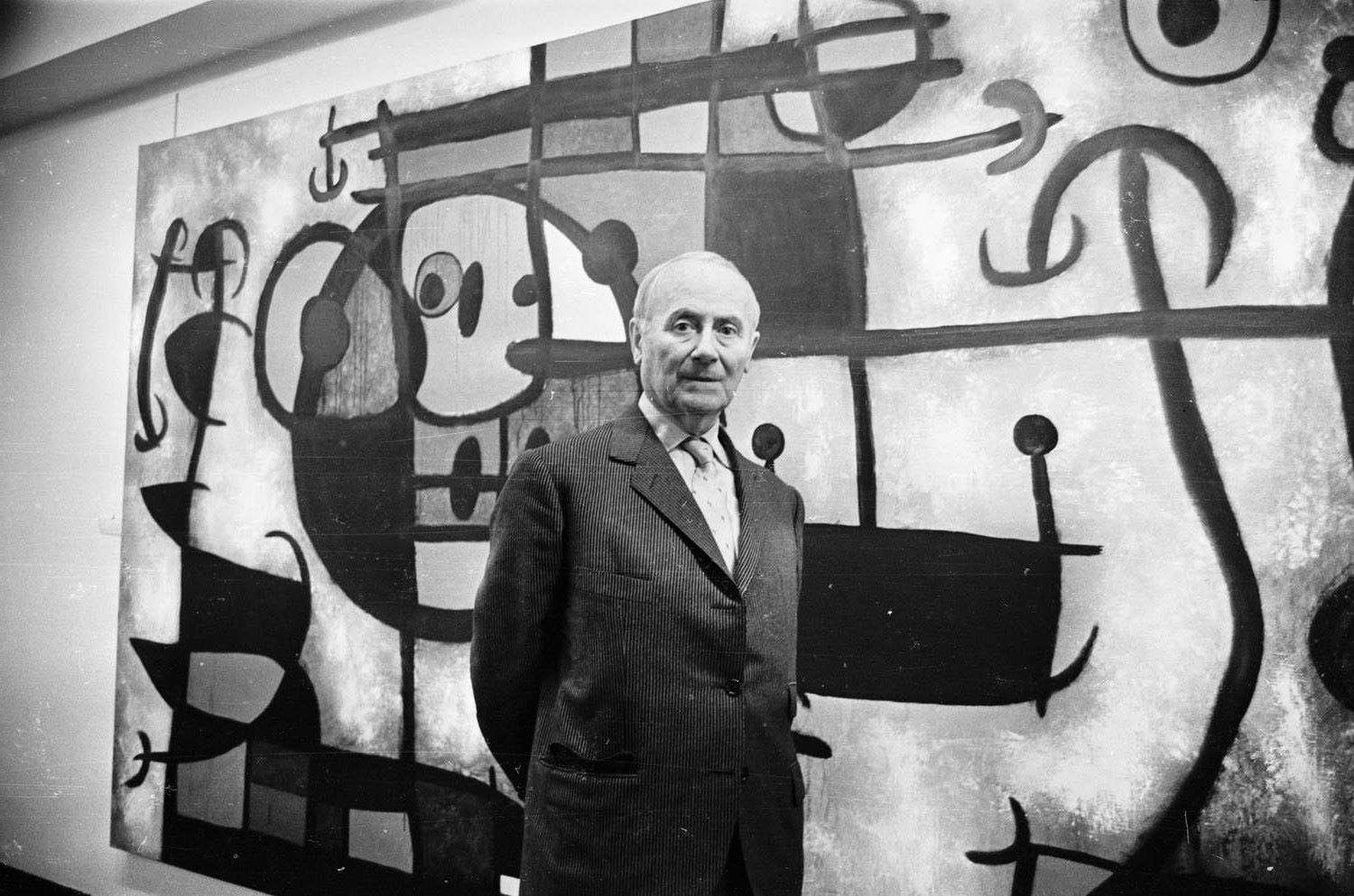
Spanish surrealism’s key figures range from Salvador Dalí’s melting clocks to Joan Miró’s abstract forms, with six more visionaries who shaped the movement between the 1920s and the late 20th century. Here are the eight artists you need to know, from the pioneers to contemporary inheritors.
The Pioneers of Spanish Surrealism
These three artists defined the movement’s early years, each with a distinct visual language.
Related travel guides: 10 Venezuelan Artists You Need To Know About and 6 Captivating Artists Who Define Costa Rican Art.
Salvador Dalí
- Salvador Dalí: Known for his eccentric personality and iconic mustache, Dalí’s works like “The Persistence of Memory” with its melting clocks have become synonymous with surrealism. His ability to blend reality with dreamlike elements set him apart, and his “paranoiac-critical method” became a tool for tapping into the subconscious.
Joan Miró
- Joan Miró: Miró’s colorful, abstract forms and playful shapes brought a unique style to surrealism. His works evoke a sense of childlike wonder—his biomorphic shapes and floating lines created a visual language that feels both spontaneous and deliberate.
Remedios Varo
- Remedios Varo: A lesser-known but equally important figure, Varo’s paintings feature mystical landscapes and fantastical creatures. Her work blends science, magic, and nature with meticulous detail that rewards close viewing.
The Visionaries Who Followed
In the 1930s and 1940s, a second generation pushed the movement in new directions, merging surrealism with political engagement and personal symbolism.
Óscar Domínguez
- Óscar Domínguez: Known for his “decalcomania” technique, Domínguez created haunting images by pressing paint between surfaces. His works explore themes of transformation and duality, and his 1930s “L’Ange du foyer” remains a striking example of surrealist sculpture.
Maruja Mallo
- Maruja Mallo: Mallo’s art mixes surrealism and social commentary. Her works feature bold colors and geometric shapes, reflecting her interest in the natural world and modern society—her “Cloaks” series from the 1930s fuses folk motifs with avant-garde techniques.
Eugenio Granell
- Eugenio Granell: Granell’s surrealist paintings are filled with fantastical creatures and dreamlike landscapes. His work explores themes of freedom and rebellion—he fled Spain’s Civil War and later brought a Caribbean-inflected surrealism to his adopted homes.
Contemporary Spanish Surrealists
Later artists kept the movement’s spirit alive, adapting surrealist techniques to new media and concerns.
Antonio Beneyto
- Antonio Beneyto: Beneyto’s surrealist works are known for dark humor and satirical edge. His paintings feature distorted figures and bizarre scenarios, challenging viewers to question their perceptions of reality—his 1970s collage series “El hombre que ríe” critiques consumer culture.
Carlos Saura
- Carlos Saura: Primarily a filmmaker, Saura’s surrealist influence is evident in his visually stunning films. His work blurs the line between reality and fantasy—his 1973 film “Anna and the Wolves” layers dream sequences and memory in ways that echo Dalí’s imagery.
Celebrating Spanish Surrealists
Spanish surrealists have left an indelible mark on art. Salvador Dalí, with his melting clocks, and Joan Miró, with his abstract forms, have become household names. Remedios Varo brought a unique feminine perspective to the movement. Luis Buñuel revolutionized film with his surreal narratives. Óscar Domínguez and Maruja Mallo added their own distinct styles, pushing boundaries and challenging norms. Antonio Saura’s expressive works continue to inspire.
These artists created worlds. Their works invite viewers to question reality, explore dreams, and embrace the bizarre. Whether through painting, film, or sculpture, their contributions to surrealism remain influential. Celebrating these visionaries helps us appreciate the depth and diversity of Spanish surrealism—and the movement’s enduring ability to surface fascinating cultural traditions still alive today in contemporary practice. Dive into their works and let your imagination soar.
