

Winter Hiking: 6 Tips To Get You Started
Introduction
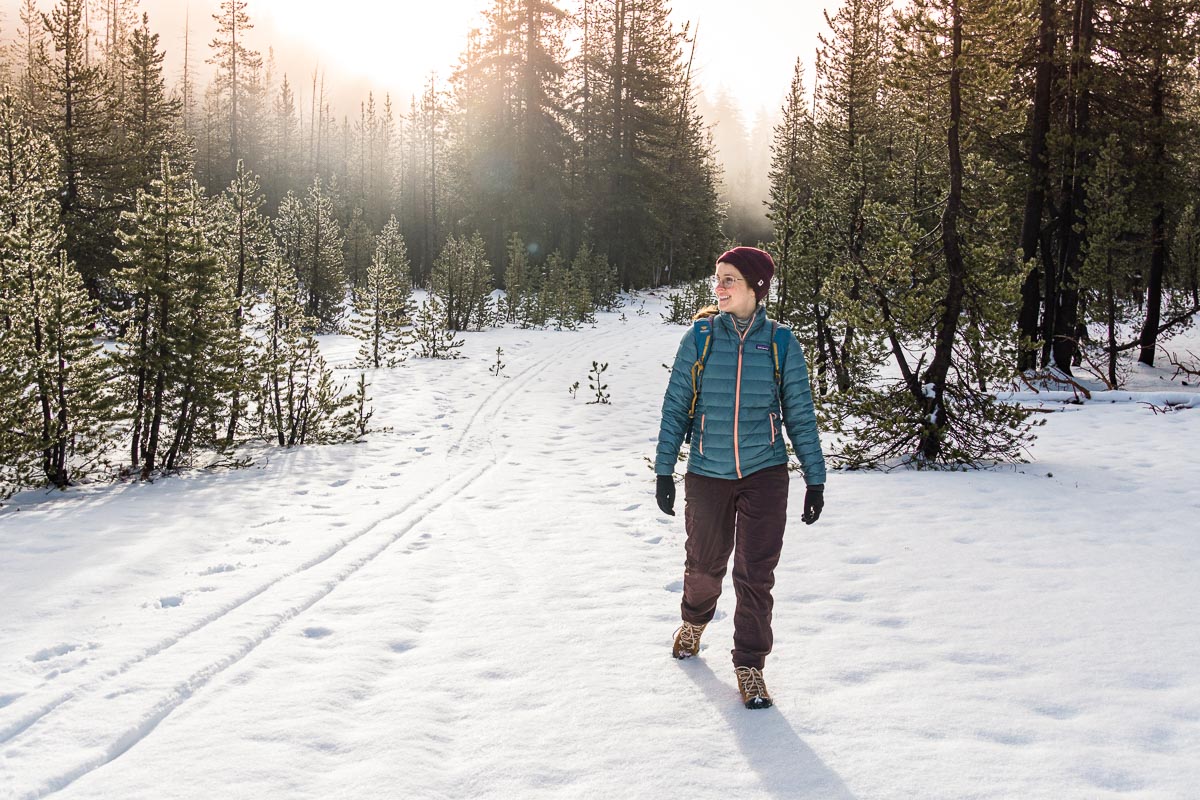
Winter hiking is a thrilling and invigorating adventure that allows you to experience the beauty of nature in a whole new way. The crisp air, glistening snow, and serene landscapes create a magical atmosphere that is hard to resist for outdoor enthusiasts. However, embarking on a winter hike requires proper preparation and knowledge to ensure a safe and enjoyable experience.
In this article, we will provide you with some valuable tips to get you started on your winter hiking journey. Whether you’re a seasoned hiker or a beginner looking to explore the wintery wonderland, these tips will help you navigate through the challenges and make the most of your adventure.
From choosing the right gear to planning your route and staying hydrated, we’ll cover essential aspects that will enhance your winter hiking experience. So, grab a hot cup of cocoa and let’s dive into the world of winter hiking!
Disclaimer: It’s vital to remember that winter hiking can be dangerous, and conditions can change rapidly. Always assess your skills, experience, and fitness level before attempting a winter hike. Additionally, check local regulations, weather reports, and trail conditions to ensure your safety.
Tip 1: Choose Appropriate Gear
When it comes to winter hiking, having the right gear can make a world of difference in your comfort and safety. Here are some essential items that you should consider:
- Insulated and Waterproof Boots: Invest in a pair of high-quality insulated and waterproof boots to keep your feet warm and dry throughout the hike. Look for boots with good traction to prevent slipping on icy trails.
- Layered Clothing: Dressing in layers is essential for winter hiking. Start with a moisture-wicking base layer to keep sweat away from your body. Add insulating layers like fleece or down jackets, and top it off with a waterproof and windproof outer layer.
- Warm Hat and Gloves: Your extremities are prone to cold, so investing in a good pair of insulated gloves and a warm hat is crucial. Consider gloves that allow you to use touchscreen devices without having to take them off.
- Gaiters: Gaiters are protective coverings that go over your boots and lower legs to keep snow, ice, and debris out. They help to keep your lower legs and boots dry, especially in deep snow or wet conditions.
- Snowshoes or Crampons: Depending on the snow conditions and terrain, you may need snowshoes or crampons. Snowshoes help distribute your weight over a larger surface area, making it easier to walk on snowy trails. Crampons provide extra traction on icy surfaces.
- Trekking Poles: Trekking poles provide stability and support, especially when navigating uneven terrain and slippery surfaces. They can help reduce the strain on your knees and improve balance.
- Headlamp or Flashlight: Days are shorter in winter, and hiking during low light conditions is common. Carry a headlamp or flashlight with extra batteries to ensure visibility on the trail.
Remember, selecting gear specific to winter hiking is essential. Prioritize functionality, quality, and durability to ensure your gear can withstand the challenging conditions you may encounter on your winter hike. Properly fitting gear is also crucial for your comfort, so take the time to try on and adjust your gear before hitting the winter trails.
Tip 2: Layer Your Clothing
Layering your clothing is a key strategy to stay comfortable and regulate your body temperature during winter hiking. Proper layering provides insulation, wicks away moisture, and protects you from the cold. Here’s a breakdown of the three essential layers:
- Base Layer: The base layer is the layer closest to your skin. Choose a moisture-wicking material like merino wool or synthetic fabrics that will keep sweat away from your body. Avoid cotton, as it retains moisture and can make you feel damp and cold.
- Insulating Layer: The middle layer provides warmth by trapping body heat. Look for materials like fleece or down insulation, which offer excellent insulation properties. This layer should be lightweight and breathable, allowing for easy movement.
- Outer Layer: The outer layer serves as a shield against wind, snow, and rain. It should be windproof, waterproof, and breathable. Look for jackets and pants made of materials like Gore-Tex or similar fabrics that provide protection from the elements while allowing moisture to escape.
When layering, consider the conditions and your activity level. If it’s particularly cold, you may need to add an extra insulating layer. On the other hand, if you’re exerting yourself and generating more body heat, you might need to remove a layer to prevent overheating and sweating excessively.
Remember to pay attention to your extremities as well. Wear thick, moisture-wicking socks to keep your feet warm and dry. Consider using glove liners under your gloves for added warmth, and don’t forget to protect your neck and face with a scarf or neck gaiter.
Layering allows you to adapt to changing weather conditions and regulate your body temperature throughout your hike. It’s always better to have several thin layers that you can adjust as needed rather than one heavy layer that may cause you to overheat.
Whether you’re ascending a challenging trail or taking a leisurely winter stroll, layering your clothing will keep you comfortable, protected, and ready to take on whatever Mother Nature throws your way.
Tip 3: Know the Trail Conditions
Before venturing out on a winter hike, it’s essential to gather information about the trail conditions. Winter weather can dramatically affect the terrain, making it important to know what to expect to ensure your safety and enjoyment. Here are some steps to help you understand the trail conditions:
- Research: Utilize reliable sources such as hiking forums, trail websites, and local park authorities to gather up-to-date information about the trail. Look for recent trip reports from fellow hikers to get a sense of the current conditions.
- Check the Weather: Monitor the weather forecast for the area where you plan to hike. Be aware of predicted temperatures, wind conditions, and the possibility of snowfall or precipitation. Sudden changes in weather can significantly impact trail conditions.
- Avalanche Risk: If you’re hiking in mountainous regions with snow-covered slopes, be aware of the avalanche risk. Check regional avalanche forecasts and familiarize yourself with the signs of potential danger. Consider taking an avalanche safety course if you plan to hike in avalanche-prone areas.
- Trail Reports: Look for recent trail reports that provide specific information about the trail conditions. These reports often include details on snow coverage, icy patches, and any potential hazards that you may encounter along the way.
- Trail Difficulty: Understand the difficulty level of the trail you intend to hike. Winter conditions can make a trail more challenging, even if it’s typically considered easy or moderate during other seasons. Be prepared for steep or slippery sections, and assess your skills and experience accordingly.
By familiarizing yourself with the trail conditions, you can plan and prepare accordingly. Adjust your gear, route, and expectations based on the information you gather. Remember, trail conditions can change rapidly, so it’s crucial to stay informed and be prepared to adapt to unexpected situations.
Finally, it’s always a good idea to inform someone about your hiking plans, including the trail you’ll be on, your expected return time, and any alternate plans you may have in case of unforeseen circumstances. This provides an added layer of safety, ensuring that someone knows your whereabouts and can raise the alarm if needed.
By knowing the trail conditions, you can make informed decisions and confidently embark on your winter hiking adventure.
Tip 4: Be Prepared for Changing Weather
Winter weather can be unpredictable, with conditions that can change rapidly. To ensure your safety and enjoyment during a winter hike, it’s essential to be prepared for changing weather. Here are some tips to help you stay ahead of the weather:
- Check the Forecast: Before heading out, check the weather forecast for the duration of your hike. Pay attention to temperature fluctuations, wind speed, and the possibility of precipitation. This information will help you plan your clothing and gear accordingly.
- Layer Up: Dress in layers that can be easily added or removed as the weather changes. This will allow you to adjust your clothing to stay comfortable and regulate your body temperature. Carry extra layers in your backpack in case the conditions become colder than expected.
- Pack Essential Gear: Carry essential gear that will keep you protected in changing weather conditions. These items may include a waterproof and windproof jacket, a hat and gloves, a spare set of dry clothing, and emergency supplies like a first aid kit and a whistle.
- Monitor the Sky: Be observant of the sky and any signs of upcoming weather changes. Darkening clouds, strengthening winds, or sudden drops in temperature can indicate the approach of a storm. Consider turning back or finding shelter if conditions become unfavorable.
- Be Mindful of Ice: Keep an eye out for icy surfaces, especially if there has been recent snowfall or freezing rain. Carry traction devices like Microspikes or crampons to improve your grip on slippery terrain. Take slow and deliberate steps to reduce the risk of slipping and falling.
- Stay Informed: If possible, carry a portable weather radio or have access to a reliable source of weather updates. This will help you stay informed about any sudden weather changes or alerts in your area.
Remember that your safety should always be a priority. If the weather conditions deteriorate rapidly or become unsafe, it’s important to have a backup plan and be willing to alter your hiking plans. Being prepared and adaptable will ensure a successful winter hiking experience.
Lastly, always listen to your instincts. If you feel uncomfortable or uneasy about the weather, trust your gut and make the necessary adjustments. It’s better to err on the side of caution and choose safety over pushing through unfavorable conditions.
By being prepared for changing weather, you’ll be able to navigate through any challenges that Mother Nature throws your way and enjoy a safe and memorable winter hike.
Tip 5: Plan Your Route and Inform Others
Before embarking on a winter hike, it’s crucial to plan your route and inform others about your hiking plans. Taking these steps will ensure your safety and provide peace of mind. Here’s what you need to do:
- Research the Trail: Gather information about the trail you plan to hike, including its length, difficulty level, and any specific challenges or hazards that may be present in winter. Take note of any trail closures or restrictions that may be in effect.
- Create a Detailed Itinerary: Plan a detailed itinerary that includes your starting point, intended route, turnaround point, and estimated time of return. Share this information with a trusted friend or family member and let them know that you’ll notify them when you complete your hike.
- Check in with Authorities: If you’re hiking in a national park or designated trail area, it’s a good idea to check in with the park authorities and let them know about your plans. They can provide valuable information and guidance based on the current trail conditions.
- Share Contact Information: Provide your emergency contact’s information to the person you’re informing about your hiking plans. Include their name, phone number, and any other relevant details. This will ensure that if you don’t return on time, rescue personnel can be quickly contacted.
- Carry a Map and Compass: Always bring a detailed map and compass, even if you’re familiar with the trail. A sudden whiteout or loss of visibility can disorientate you, and a map and compass will help you navigate back to safety.
- Consider Using a GPS Device: Using a GPS device or navigation app on your smartphone can provide an additional layer of safety and help you stay on track. However, keep in mind that electronic devices can lose battery power quickly in cold temperatures. Carry portable power banks or spare batteries.
- Stay on Marked Trails: During winter hikes, it’s essential to follow marked trails as much as possible. Straying off the trail can lead to dangerous situations, including getting lost or encountering unstable, avalanche-prone areas.
- Check-In and Report Back: Once you complete your hike, make sure to notify the person you informed about your plans. This will ensure that they know you’re safe and provide an opportunity to alert authorities if you don’t return on time.
By planning your route and informing others about your hiking plans, you create a safety net in case of emergencies or unexpected situations. It also allows for timely assistance if needed. Remember, winter hiking can pose additional risks, so being prepared and taking precautionary measures is crucial for a safe and enjoyable experience.
Tip 6: Stay Hydrated and Fuel Up
Proper hydration and nutrition are key factors in maintaining energy and endurance during a winter hike. Cold temperatures and physical exertion can cause dehydration and increase your body’s caloric needs. Follow these tips to stay hydrated and fuel up:
- Drink Plenty of Water: Even in cold weather, your body loses water through sweat and breathing. Stay hydrated by drinking water regularly throughout the hike. Insulated water bottles or hydration packs can help prevent your water from freezing.
- Consider Warm Beverages: Warm drinks like herbal tea or hot chocolate can be a comforting treat and help maintain hydration. Carry a thermos with your favorite warm beverage to enjoy during rest stops.
- Eat Regularly: Fuel your body with regular snacks and meals to replenish energy levels. Choose high-energy foods that are easy to digest and provide a mix of carbohydrates, protein, and healthy fats. Trail mix, energy bars, jerky, and dried fruits are convenient and nutritious options.
- Pack Extra Snacks: Pack extra snacks in case your hike takes longer than expected or if you need an energy boost along the way. Nut butter packets, cheese, and fresh fruits like apples or bananas are lightweight and nutritious options.
- Keep Snacks Accessible: Store your snacks in easily accessible pockets or compartments of your backpack. This way, you can fuel up quickly without having to stop for extended periods.
- Prevent Food and Water from Freezing: Insulate your food and water to prevent them from freezing. Use insulating pouches or wrap them in extra clothing layers to maintain their temperature. Consider using a thermal sleeve for your water bottle.
- Stay Mindful of Energy Levels: Listen to your body’s hunger and energy cues. Take short breaks to eat and rest when needed. Pushing through fatigue without fueling up can lead to decreased performance and increased risk of hypothermia.
- Avoid Alcohol and Caffeine: Limit your consumption of alcohol and caffeine as they can increase dehydration and impair judgment in cold weather conditions.
Remember, proper hydration and nutrition are essential for your overall well-being and performance during a winter hike. Stay fueled and hydrated to maintain energy levels, regulate body temperature, and prevent fatigue.
By incorporating these tips into your winter hiking routine, you’ll ensure that your body is nourished and ready to tackle the challenges and enjoyment that come with exploring wintry landscapes.
Conclusion
Winter hiking is a captivating and rewarding adventure, but it requires careful preparation and knowledge to ensure a safe and enjoyable experience. By following the tips outlined in this article, you can enhance your winter hiking journey and make the most of your time on the trails.
Choosing appropriate gear, layering your clothing, and staying informed about trail conditions will help you navigate through the challenges that winter weather presents. Being prepared for changing weather and having a well-planned route, along with informing others about your hiking plans, are crucial for your safety.
Additionally, staying hydrated and properly fueling your body will ensure that you have the energy and endurance to tackle the trails. Pay attention to your hydration levels and make sure to pack an assortment of nutritious snacks and meals to fuel you along the way.
Remember, safety should always be a top priority when engaging in winter hiking. Assess your skills, be aware of your limitations, and listen to your body and instincts. Always check weather forecasts, trail conditions, and avalanche risks before venturing out.
Embrace the magic of winter as you embark on your hiking adventure. Immerse yourself in the beauty of snowy landscapes, breathtaking views, and the tranquility of nature. Stay present, take the time to appreciate the winter wonderland around you, and create memories that will last a lifetime.
So, wrap yourself up in your warmest gear, lace up your boots, and set off on a winter hiking adventure. It’s time to explore the beauty and serenity of nature in its snowy splendor!
