

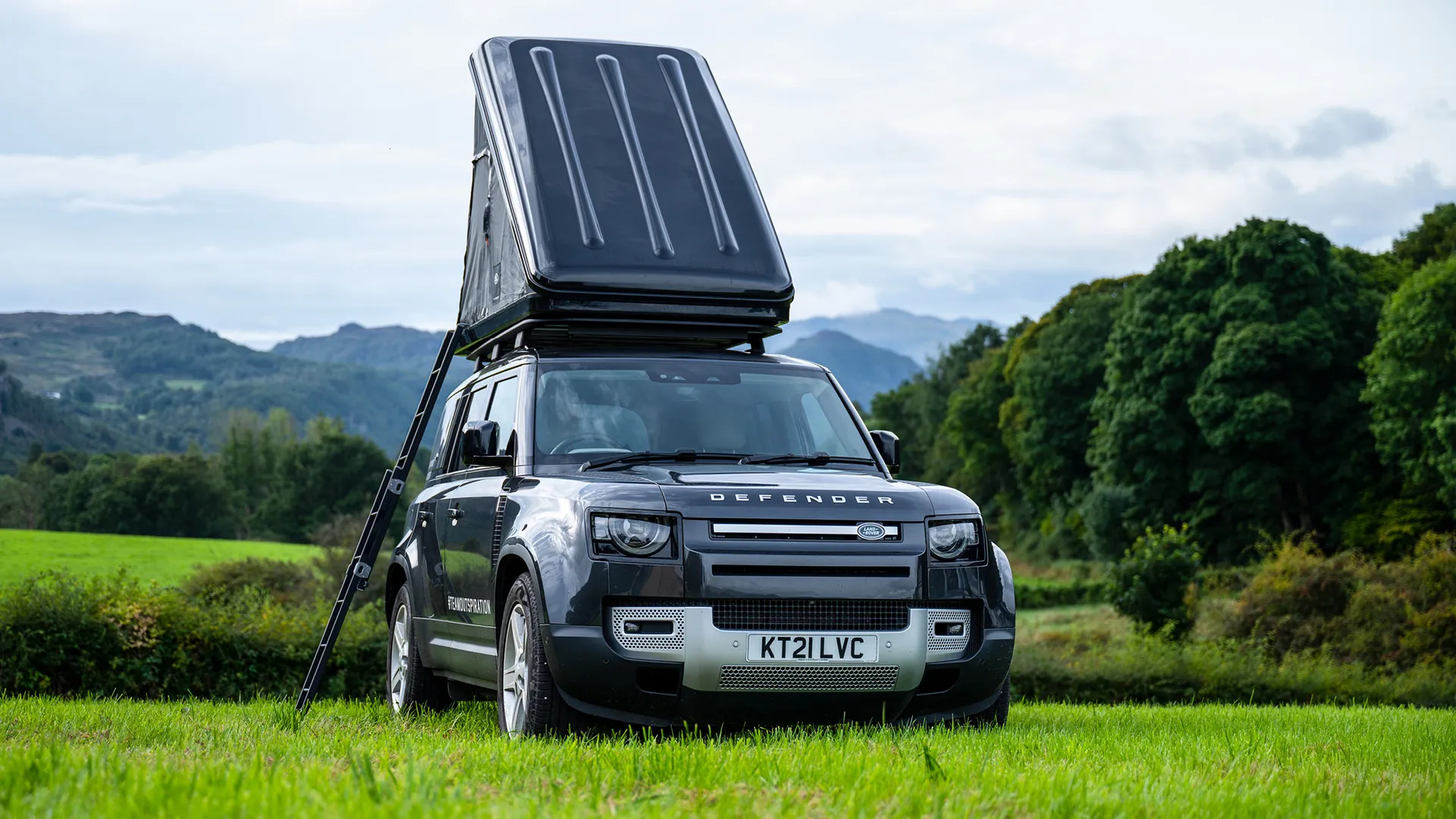
The ultimate Land Rover Defender camping setup is a rooftop tent, a compact stove, and storage that fits your specific model. The catch is that your choice between a two-door Defender 90 and a four-door Defender 110 will determine how much gear you can carry and how many people you can sleep. Every setup must be tailored to your budget, engine type, and the terrain you plan to tackle, from highway cruising to rocky trails.
Choosing the Right Land Rover Defender
When it comes to the Land Rover Defender, several models and variations exist, each with unique features and capabilities. Before setting up your camping rig, select the Defender that best suits your needs.
Related travel guides: How To Make Your Tent And Campsite More Rainproof.
First, consider the body style. The Defender comes in two primary options: the two-door Defender 90 and the four-door Defender 110. The Defender 90 is more compact and agile, making it ideal for solo or small-group adventures. The Defender 110 offers more space and seating for larger groups and families—a key factor if your trips lean toward the kind of extended journeys that make you wonder how far is a trip around the world might be.
Next, think about engine type and power. The Defender is available with a range of petrol and diesel engines, each offering varying horsepower and torque. Match the engine to your intended use and the terrain you’ll traverse—whether that’s highway cruising or rocky trails that demand low-end grunt.
Another key factor is available accessories and features. Land Rover offers driving modes, off-road packages, advanced technology, and creature comforts. Prioritize what matters: off-road capability, navigation, or climate control. If your camping plans include rugged backcountry routes, this is where mountaineering gear and packing lists in adventure thinking applies—choose the packages that support your specific adventure style.
Finally, set your budget. Defender prices vary widely based on model, options, and condition. Research and compare to ensure you get the best value.
Choosing the right Defender is personal. Weigh body style, engine, features, and price to build a foundation that fits your camping setup perfectly.
Essential Camping Gear for Land Rover Defender
Once you’ve picked your Defender, these are the core items that turn it into a basecamp. Each piece is chosen to handle rough terrain, limited space, and the need for quick setup.
- Rooftop Tent: Keeps you off the ground and away from damp or uneven campsites. It sets up in minutes and frees your load space. Prioritize a hard-shell model for faster deployment and better weather protection.
- Sleeping Bags and Pillows: Match your bag’s rating to the coldest night you expect. Down insulation packs smaller, while synthetic handles moisture better in wet climates. Add a self-inflating pad for insulation from the vehicle’s floor.
- Cooking Equipment: A two-burner stove or a compact grill mounts easily on a tailgate table. Bring a nesting cookset, a folding kettle, and a 12-volt cooler that runs off the Defender’s auxiliary battery. Store dry goods in sealed bins to keep out dust and insects.
- Camp Chairs and Table: Choose chairs with a high back and a cup holder that fold into a flat carry bag. A roll-top table with adjustable legs handles uneven ground. Skip the bulky picnic table.
- Lighting: Use a magnetic LED work light on the roof, a headlamp for hands-free tasks, and a dim lantern inside the tent. Keep spare batteries in a dry bag.
- Camping Shovel and Ax: A compact folding shovel digs fire pits or levels a sleeping platform. A short-handled ax splits kindling and clears roots. Both store best mounted on a roof rack or inside a locked cargo drawer.
- First Aid Kit: Build or buy a kit that includes blister treatment, antiseptic wipes, a trauma bandage, and a tourniquet. Check it every spring and replace used items.
- Camping Gear Storage: Use modular bins and a cargo barrier to stop gear from shifting on trails. A roof rack holds recovery boards and jerry cans, while drawer systems slide out for easy access to tools and spares.
Tailor this list to your climate and trip length. The goal is a setup that you can deploy in under 15 minutes and pack out without rearranging your whole rig.
Vehicle Prep and Modifications
Preparing your Land Rover Defender for camping starts with targeted modifications that improve off-road capability and gear organization. These changes help ensure your vehicle handles rough terrain and long trips without issue. Here are the essential prep steps and upgrades to consider:
- Suspension Upgrade: Upgrade to heavy-duty suspension components to increase ground clearance and improve shock absorption on uneven trails. This also helps stabilize the vehicle when loaded with camping gear.
- All-Terrain Tires: Replace stock tires with all-terrain versions featuring a deep tread pattern. These provide better traction on mud, sand, and rocky surfaces, reducing the risk of getting stuck.
- Skid Plates and Rock Sliders: Install skid plates to shield the underbody from rocks and debris. Rock sliders protect the sides from impacts when navigating tight, uneven paths.
- Bull Bar or Front Bumper: A sturdy bull bar or aftermarket front bumper adds protection for the front end in case of collisions or wildlife encounters, while also providing mounting points for auxiliary lights.
- Winch: A winch is critical for self-recovery or helping others when stuck in mud, sand, or steep inclines. Ensure it is rated appropriately for your vehicle’s weight.
- Snorkel: A snorkel raises the air intake to a higher, cleaner position, allowing you to wade through deeper water without risking engine damage. It also helps when driving through dusty conditions.
- Upgraded Lighting: Replace factory headlights with brighter auxiliary lights, such as spotlights or LED light bars, to improve visibility during nighttime off-roading and in low-light conditions.
- Rear Storage Solutions: Use rear storage drawers or a cargo barrier to organize and secure camping gear. This keeps equipment accessible and prevents shifting during travel.
Work with reputable off-road shops that specialize in Land Rover Defenders to ensure modifications fit your specific model and are installed correctly. With these upgrades, your Defender will be better prepared for rugged terrain and provide a reliable base for your camping setup.
Rooftop Tent and Awning
A rooftop tent is a key part of a Land Rover Defender camping setup, offering an elevated sleeping area that keeps you off uneven ground and away from bugs. It also sets up and breaks down quickly, which suits life on the move.
When picking a rooftop tent, start with size. Make sure it fits the number of people you camp with and matches your Defender’s roof dimensions and weight limit. Construction matters too—look for waterproof materials, sturdy zippers, and durable fabric that can handle varied weather. Ease of use is another factor: choose a tent with a telescoping ladder, a built-in mattress, and simple opening and closing mechanisms so you are not fighting with it at the end of the day.
An awning is a worthwhile addition to the same setup. It mounts to the side of your vehicle and extends or retracts easily, giving you shade and cover from rain while you cook, relax, or sort gear. When selecting one, check that it offers enough coverage for your usual group size and that it is compatible with your Defender’s roof rack or mounting points. Durability and straightforward installation are the other things to verify—there is no point in an awning that takes an hour to set out.
Together, a rooftop tent and awning turn your Defender into a self-contained basecamp. The tent handles sleeping; the awning handles daytime living space. Matching both to your vehicle’s roof capacity and your own habits—how many people, what kind of weather, how often you move—is what makes the difference between a cramped setup and one that actually works for a trip.
Portable Kitchen Setup
Good food is a big part of any camping trip, and a well-equipped portable kitchen in your Land Rover Defender makes it easy to cook wherever you go. Here are the essential items to consider for your setup:
- Camp Stove or Grill: Choose a reliable portable stove or grill with multiple burners or cooking surfaces so you can prepare several dishes at once.
- Cookware and Utensils: Pack lightweight, non-stick pots, pans, and utensils. Nesting cookware sets save valuable space in your Defender.
- Cooler: A well-insulated cooler keeps food and drinks fresh. Look for secure lids, easy latches, and sturdy handles for transport.
- Food Storage Containers: Airtight, stackable containers keep ingredients organized and prevent spills or cross-contamination, making the most of your Defender's storage compartments.
- Cutting Board and Knives: Bring a durable cutting board and a set of sharp, versatile knives. Choose compact, lightweight options that store safely.
- Dishwashing Kit: Include biodegradable soap, sponges, and drying towels. Collapsible, space-saving kits help minimize clutter.
- Cooking Accessories: Add a collapsible kettle, portable coffee maker, or compact griddle for breakfast favorites like pancakes and bacon.
- Spices, Condiments, and Basic Ingredients: Pack your favorite seasonings and staples in travel-sized containers to add flavor without taking up too much room.
Space in a Land Rover Defender is tight, so stick to essentials. Choose compact, collapsible, and multi-purpose tools whenever possible to maximize what you can carry.
With the right portable kitchen setup, you can prepare meals that rival any home-cooked dinner, no matter where your Defender takes you.
Storage Solutions
Efficient storage is essential when organizing camping gear in your Land Rover Defender. Maximizing space and keeping everything secure and organized makes the experience far more enjoyable. Here are storage solutions to consider:
- Roof Racks: Install roof racks to increase carrying capacity. They accommodate roof boxes, bike racks, or additional storage containers.
- Cargo Organizers: Use cargo organizers inside the vehicle to keep gear neatly arranged. Storage bins, dividers, and cargo nets separate different items and prevent shifting during transit.
- Rear Storage Drawers: Invest in rear storage drawers that fit snugly in the cargo area. These provide easy access to camping gear and allow for efficient organization.
- Cargo Barrier: Add a cargo barrier to create a secure partition between the passenger and storage areas. This keeps gear in place and adds a layer of safety.
- Collapsible Storage Containers: Opt for collapsible containers in various sizes to save space when not in use. They work well for food, clothing, camping equipment, and more.
- Hanging Organizers: Attach hanging organizers to the back of seats or inside walls. These are perfect for smaller items like flashlights, maps, and toiletries.
- Cargo Bags: Use durable, weather-resistant cargo bags for bulky items like sleeping bags, camping chairs, or tents. Strap them on roof racks or secure them inside the vehicle.
- Accessories and Mounting Systems: Invest in versatile mounting systems to attach equipment, tools, and additional storage options to the interior or exterior.
Plan your gear layout so frequently used items stay accessible. Pack heavier items lower down and distribute weight evenly to maintain stability and balance during travel.
With smart storage solutions, you can make the most of your Defender’s space, keeping camping gear secure and efficiently organized for all outdoor adventures—whether you’re prepping mountaineering gear and packing lists in adventure or just heading out for a weekend.
Off-road Accessories
Equipping your Land Rover Defender with the right off-road accessories boosts safety, performance, and enjoyment on challenging terrain. Here are the essentials worth considering:
- Recovery Gear: Carry a snatch strap, shackles, a winch, and a recovery damper. These tools help you get unstuck from mud or navigate steep terrain without calling for a tow.
- Traction Mats or Boards: Place these under your tires in slippery conditions to gain grip and keep moving through difficult sections.
- Rock Sliders: These sturdy metal bars protect your Defender's rocker panels from rocks and debris, and double as a stepping platform for easier entry and exit.
- Snorkel: A snorkel raises the air intake to a higher position, letting you safely cross water without risking water entering the engine.
- Skid Plates: Install skid plates to shield the engine, transmission, and fuel tank from rocks, branches, and other trail hazards.
- Heavy-duty Bumpers: Replace stock bumpers with off-road versions that offer integrated recovery points, winch mounts, and additional lighting options for better protection and functionality.
- Mud Flaps: These minimize the mud, rocks, and debris thrown up by your tires, protecting both your Defender and other vehicles on the road.
- Upgraded Suspension: Lift kits, heavy-duty shocks, and improved springs increase ground clearance and smooth out rough rides, making your Defender more capable on trails.
When choosing accessories, prioritize quality, compatibility, and durability. Pick parts specifically designed for your Defender model with a proven off-road track record. Research reputable brands and ask off-road enthusiasts or experts for recommendations.
With the right gear, your Land Rover Defender will handle any trail, letting you explore remote destinations with confidence.
Lighting and Electrical Setup
For overlanding in your Land Rover Defender, a dependable lighting and electrical setup is non-negotiable. It keeps you safe, visible, and powered up during off-road trips. Here’s what to focus on:
- LED Lighting: Swap standard headlights for LED bulbs to get brighter, more energy-efficient illumination with a longer lifespan—ideal for nighttime trail driving.
- Auxiliary Lights: Add spotlights, a light bar, or fog lights to supplement your headlights. These boost visibility in low-light or rough terrain, which is a core part of any serious off-road build.
- Work Lights: Pack portable work lights or camping lanterns to brighten your campsite for cooking, setting up, or late-night tasks.
- Dual Battery System: Install a second battery dedicated to your camping gear. This keeps your starting battery fresh while powering fridges, lights, and other devices.
- Solar Panels: Use foldable or roof-mounted solar panels to recharge your auxiliary batteries. It’s a sustainable power source that shines on extended remote trips.
- Power Inverter: A quality inverter converts your Defender’s 12V DC power to 120V AC, letting you charge laptops, cameras, or run small appliances when you’re off-grid.
- USB Charging Ports: Mount USB outlets in the cabin and cargo area so you can juice up smartphones, tablets, and other gadgets without fuss.
- Fuse Box and Wiring: Keep everything tidy and protected with a dedicated fuse box and organized wiring. This prevents shorts and makes troubleshooting easier—essential for reliability.
Before you start wiring, consult a professional or an experienced automotive electrician. They’ll ensure your setup is safe and up to code, avoiding potential hazards.
A well-planned electrical system transforms your Defender into a mobile basecamp—delivering reliable light, steady power, and peace of mind no matter how far you roam.
Water and Sanitation
When camping in your Land Rover Defender, a reliable water and sanitation system is non-negotiable for health, hygiene, and comfort. Here’s what to consider when setting yours up.
- Water Storage: Fit secure water tanks or jerry cans with tight lids to prevent contamination and spillage during transit, ensuring a steady clean water supply.
- Water Filtration: Carry a portable water filter to purify water from lakes, rivers, or streams. This gives you a backup source of drinking water when exploring remote areas.
- Portable Shower: Install a portable shower with a built-in pump and adjustable showerhead. It makes bathing convenient and refreshing after a long day of adventure.
- Portable Toilet: When facilities are scarce, a chemical toilet or a portable seat with disposable bags is a game-changer. Always dispose of waste responsibly.
- Waste Disposal: Pack trash bags and recycling bins. Leave your campsite cleaner than you found it—this is non-negotiable for preserving the environment.
- Hand Sanitizer and Soap: Stock biodegradable soap and hand sanitizer. A portable handwashing station or waterless sanitizer keeps hygiene simple when water is scarce.
- Dishwashing: Use a wash basin with biodegradable dish soap for cleaning utensils. Dispose of wastewater away from natural water sources to avoid contamination.
- Greywater Management: Collect used water from washing and dispose of it properly. Use biodegradable soaps and detergents, and empty greywater into designated containers or disposal points.
Follow Leave No Trace principles: minimize your impact on natural water sources and keep your campsite pristine.
With a solid water and sanitation setup, you’ll stay comfortable and hygienic even in the most remote locations, where facilities are rare and self-sufficiency is key.
Safety and Security Measures
Prioritizing safety and security in your Land Rover Defender camping setup means preparing for the unexpected while protecting your gear and vehicle. Work through these measures before heading into remote areas.
- First Aid Kit: Carry a well-stocked kit with bandages, antiseptic ointment, pain relievers, and any personal medications. Check expiration dates before each trip.
- Emergency Communication: Bring a fully charged cell phone plus a backup power bank, and consider a satellite phone or two-way radio for areas without cell coverage. Test devices before departure.
- Navigation and Maps: Pack detailed topographic maps, a compass, and a GPS device. Download offline maps in case of signal loss, and know how to use them without relying solely on battery power.
- Emergency Shelter: Stow a lightweight tent or bivvy bag inside the cab, not in the cargo area, so it’s accessible if you need to leave the vehicle quickly.
- Fire Safety: Keep a fire extinguisher mounted within reach of the driver’s seat, plus fireproof gloves and a fire-resistant blanket. Follow local fire regulations and never leave a campfire unattended.
- Vehicle Maintenance: Inspect tires, brakes, fluids, and battery before each trip. Carry a spare tire, jack, and basic toolkit. Address any unusual noises or warning lights immediately.
- Personal Safety: Stay aware of your surroundings, especially near wildlife. Learn about local hazards such as snakes, insects, or tidal changes in the area you’re exploring.
- Secure Your Belongings: Use lockable storage boxes or a secure drawer system inside the Defender. Keep valuables out of sight, and consider a steering wheel lock or alarm for added deterrence.
- Campsite Selection: Choose level ground away from dead trees, loose rocks, or dry grass. Avoid dry riverbeds and low-lying areas prone to flash flooding, and check for overhead power lines.
- Weather Preparedness: Monitor forecasts for the full duration of your trip. Pack rain gear, extra layers, and a tarp or awning to handle sudden changes in conditions.
- Emergency Contacts: Write down local ranger stations, emergency services, and a trusted contact back home. Share your itinerary and expected return time with someone reliable.
Review these points before every departure, and adjust them based on the season and terrain. A few minutes of planning can prevent a minor issue from becoming a serious situation.
Outdoor Comfort and Entertainment
Creating a comfortable and enjoyable outdoor living space is an essential part of camping with your Land Rover Defender. Here are some ideas to consider for outdoor comfort and entertainment:
- Camp Chairs and Tables: Invest in comfortable and lightweight camping chairs and a portable table. These items provide a convenient and cozy space for relaxing, dining, and socializing.
- Portable Hammock: Set up a portable hammock between trees for a comfortable and relaxing spot to unwind and enjoy the beauty of nature.
- Sun Shade and Shelter: Bring along a canopy, gazebo, or portable sunshade to protect yourself from the sun and provide a sheltered area for outdoor activities.
- Camping Blankets and Pillows: Pack extra blankets and pillows for added coziness and comfort while lounging or sleeping in your Land Rover Defender or in your outdoor living space.
- Games and Activities: Include a variety of games and outdoor activities such as frisbees, footballs, playing cards, or board games to keep everyone entertained and engaged.
- Campfire and Campfire Cooking: Enjoy the warmth and ambiance of a campfire. Gather around the fire pit for storytelling, roasting marshmallows, and cooking delicious meals.
- Outdoor Speakers or Portable Speakers: Add some music to your campsite with outdoor speakers or portable Bluetooth speakers. Create a playlist to set the mood and enhance the outdoor ambiance.
- Binoculars and Field Guides: Bring binoculars to observe wildlife and enjoy birdwatching. Carry field guides or nature identification apps to learn about the plants, animals, and birds you encounter.
- Nature Photography: Capture the beauty of your surroundings with a camera or your smartphone. Practice your photography skills and create lasting memories of your Land Rover Defender camping adventures.
- Relaxation and Meditation: Embrace the tranquility of nature with relaxation and meditation exercises. Find a peaceful spot, take deep breaths, and indulge in the serenity around you.
Remember to follow any local regulations concerning campfires, noise restrictions, and the collection of firewood. Leave nature as you found it, respecting the environment and minimizing your impact.
By incorporating outdoor comfort and entertainment into your Land Rover Defender camping setup, you can create a welcoming and enjoyable atmosphere, providing endless opportunities for relaxation, entertainment, and quality time spent in the great outdoors.
Conclusion
You now have a clear path to building the ultimate Land Rover Defender camping setup. From the rooftop tent and awning that create cozy sleeping quarters and outdoor living space to the portable kitchen setup for cooking meals, each element contributes to a comfortable trip. Ample storage, off-road accessories, proper lighting and electrical setup, water and sanitation facilities, and safety measures keep you prepared and secure.
Customization is key. Tailor your setup to your specific needs and preferences. Experiment with different gear and modifications to find what works best for you.
As you venture into the wilderness, immerse yourself in the natural beauty around you, take care of the environment, and respect local regulations. Leave no trace and preserve pristine landscapes for generations to come.
Pack your essentials, hit the road, and uncover new destinations. Create lasting memories and experience the freedom and joy of the great outdoors—because true adventure is exploration, whether it’s a weekend escape or a longer journey into the unknown.
