Secrets Of California’s Joshua Tree Washes
Have you ever wondered what makes Joshua Tree National Park so special? This desert gem in Southern California offers more than just stunning landscapes. The park's unique washes—dry riverbeds that fill with water during rare rainstorms—are a hidden treasure. These washes create a diverse ecosystem, home to various plants and animals. Exploring them reveals a side of Joshua Tree that many visitors miss. Whether you're an avid hiker or a casual nature lover, the washes provide a peaceful escape from the park's more crowded areas. Ready to uncover the secrets of Joshua Tree's washes? Let's dive in!
Secrets of California's Joshua Tree Washes
Joshua Tree National Park, a vast desert wilderness, hides many secrets within its washes. These dry riverbeds, carved by seasonal rains, offer a unique glimpse into the park's diverse ecosystem. Let's uncover some of the most intriguing spots within these washes.
Hidden Gems in Joshua Tree Washes
The washes of Joshua Tree are more than just dry riverbeds. They are home to hidden gems waiting to be explored.
Barker Dam
- A historical site built by early cattle ranchers, Barker Dam is a rare water source in the desert. The dam creates a small reservoir, attracting wildlife and offering a serene spot for reflection.
Hidden Valley
- Enclosed by towering rock formations, Hidden Valley is a lush oasis in the desert. Legend has it that cattle rustlers used this secluded spot to hide stolen livestock.
Cholla Cactus Garden
- This dense concentration of cholla cacti creates an otherworldly landscape. The garden is especially stunning at sunrise and sunset when the cacti glow in the soft light.
Unique Wildlife in Joshua Tree Washes
The washes are teeming with life, from tiny insects to larger mammals. Each species has adapted to survive in this harsh environment.
Desert Tortoise
- These slow-moving reptiles are a rare sight but can sometimes be spotted in the washes. They spend most of their lives in burrows to escape the extreme desert temperatures.
Bighorn Sheep
- Agile and elusive, bighorn sheep navigate the rocky terrain with ease. They often come down to the washes to drink from temporary pools after rainstorms.
Roadrunner
- Known for their speed, roadrunners are a common sight in the washes. These birds are skilled hunters, preying on insects, lizards, and even small snakes.
Fascinating Flora in Joshua Tree Washes
The plant life in Joshua Tree's washes is as diverse as its wildlife. Many plants have developed unique adaptations to thrive in the desert.
Creosote Bush
- One of the most common plants in the desert, the creosote bush has a distinctive smell and can live for thousands of years. Its deep roots help it survive long periods without water.
Desert Willow
- Despite its name, the desert willow is not a true willow. This tree produces beautiful, trumpet-shaped flowers that attract hummingbirds and bees.
Mojave Yucca
- This hardy plant is a close relative of the Joshua tree. Its sharp leaves and tall flower stalks make it a striking feature in the washes.
Historical Sites in Joshua Tree Washes
The washes also hold remnants of human history, from ancient petroglyphs to abandoned mines.
Wall Street Mill
- An old gold processing mill, Wall Street Mill is a well-preserved relic of the area's mining past. The site includes rusting machinery and the remains of old buildings.
Petroglyphs at Barker Dam
- Near Barker Dam, ancient petroglyphs carved by Native Americans can be found. These rock carvings offer a glimpse into the lives of the region's earliest inhabitants.
Ryan Ranch
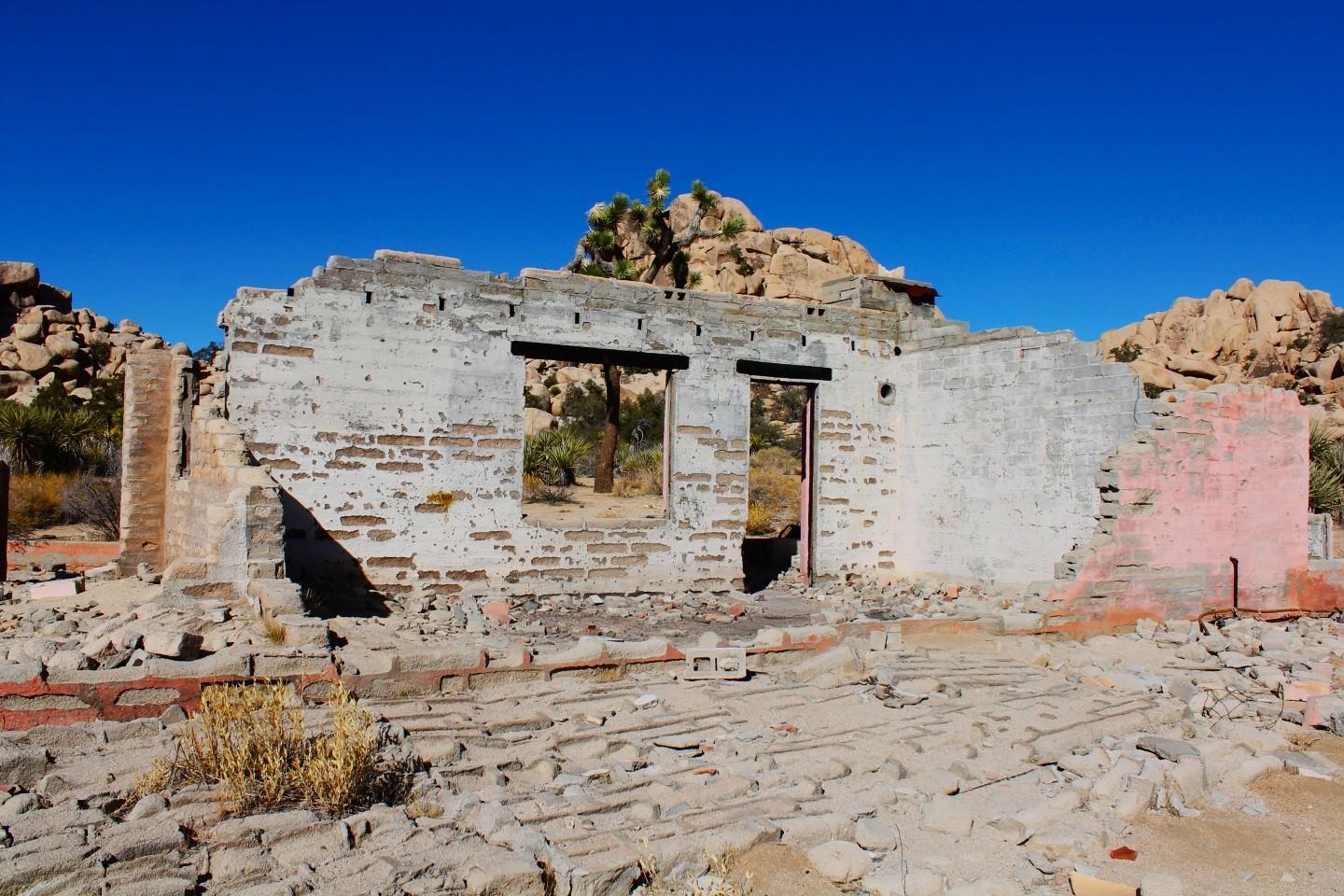
- The ruins of Ryan Ranch tell the story of early settlers in the area. The adobe structures and scattered artifacts provide a fascinating look into the past.
Scenic Views in Joshua Tree Washes
The washes offer some of the most breathtaking views in the park, perfect for photography and quiet contemplation.
Keys View
- From this vantage point, visitors can see the Coachella Valley, the San Andreas Fault, and even Mexico on a clear day. The panoramic views are especially stunning at sunset.
Skull Rock
- This unique rock formation, shaped like a skull, is a popular spot for photos. The surrounding area is dotted with other interesting rock formations and small caves.
Arch Rock
- A natural arch formed by erosion, Arch Rock is a favorite among photographers. The short hike to reach it is well worth the effort for the stunning views.
Embrace the Magic of Joshua Tree Washes
Joshua Tree washes offer a unique blend of natural beauty, adventure, and tranquility. Exploring these hidden gems reveals stunning landscapes, diverse wildlife, and a sense of peace that's hard to find elsewhere. Whether hiking, bird-watching, or simply soaking in the scenery, there's something for everyone.
Remember to respect the environment by staying on designated trails and packing out all trash. This helps preserve the washes for future visitors. Bring plenty of water, wear sturdy shoes, and be prepared for varying weather conditions.
Visiting Joshua Tree washes is more than just a trip; it's an opportunity to connect with nature and experience the desert's raw beauty. So, pack your bags, grab your camera, and get ready for an unforgettable adventure. The magic of Joshua Tree washes awaits.