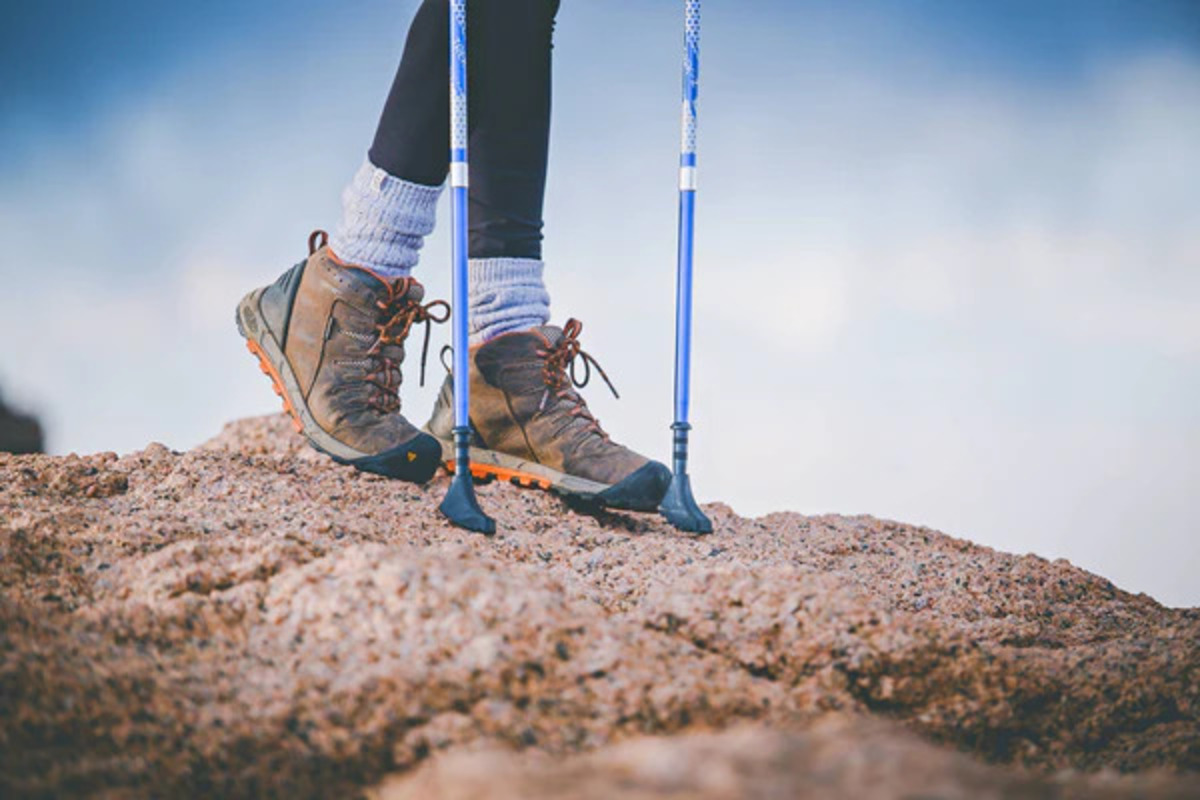
To attach rubber boot tips to trekking poles, simply push them onto the metal carbide tip until they seat snugly. Most manufacturers design these tips for a push-on fit without adhesive, meaning no glue or drying time is required for a secure attachment. Gather your trekking poles, compatible rubber boot tips, a clean cloth, rubbing alcohol or soapy water, protective gloves, and newspaper or cardboard to protect your work surface. If the fit is tight, soften the boot tip in boiling water for a minute; if it’s loose, a small wrap of tape can increase friction.
Tools and Materials Needed
Before you start attaching rubber boot tips to your trekking poles, gather the necessary tools and materials. Here's what you'll need:
- Trekking poles: Make sure you have a pair of trekking poles that are in good condition and have removable tips.
- Rubber boot tips: Purchase a set of rubber boot tips that are compatible with your trekking poles. These can be found at outdoor gear stores or online.
- Adhesive: You'll need a strong adhesive suitable for bonding rubber to metal. Look for epoxy glue or a similar adhesive specifically designed for this purpose. (Note: most manufacturers describe a push-on fit, not a glued attachment.)
- Clean cloth: Use a clean cloth or sponge to wipe down the trekking poles and ensure they are free from dirt and debris.
- Rubbing alcohol or soapy water: This will be used to clean the metal tips of the trekking poles before attaching the boot tips.
- Protective gloves: It's a good idea to wear gloves to protect your hands while working.
- Newspaper or cardboard: To protect your working surface.
Once you have gathered all the necessary tools and materials, you are ready to move on to the next step: preparing the trekking poles for attachment. For those assembling mountaineering gear and packing lists in adventure, a secure push-on fit is the standard method—no adhesive or drying time required.
Step 1: Prepare the Trekking Poles
Before attaching the rubber boot tips, prepare the trekking poles to ensure a secure fit. Follow these steps:
- Inspect the trekking poles: Examine the poles for any signs of damage or wear. Ensure the poles are in good condition and that the removable tips are intact.
- Remove existing tips (if applicable): If your trekking poles have worn-out rubber tips or snow baskets, remove them by unscrewing or pulling them off carefully.
- Clean the trekking poles: Use a clean cloth or sponge to wipe down the metal parts. Remove any dirt, debris, or residue. For stubborn stains, use rubbing alcohol or soapy water, then allow the poles to dry completely.
Proper preparation ensures a clean surface for attaching the rubber boot tips. The standard attachment method is a push-on fit without adhesive—simply slide or press the boot tip fully over the carbide pole tip until it seats snugly. No drying time is needed; the tip is ready to use immediately. If the fit is tight, place the boot tip in boiling water for a minute to soften it. If the tip is loose, a small wrap of tape can increase friction.
Step 2: Clean the Rubber Boot Tips
Before attaching the rubber boot tips to the trekking poles, it's important to clean the tips to remove any dust or debris that may affect the fit. Here's how to clean the rubber boot tips:
- Inspect the rubber boot tips: Check the rubber boot tips for any dirt, dust, or labels that need to be removed. Ensure that the tips are in good condition and free from any defects or damage.
- Wash the rubber boot tips: Fill a basin or sink with warm soapy water and submerge the rubber boot tips. Gently scrub with a soft brush or sponge to remove any dirt or residue. If the rubber boot tips have stubborn stains or debris, you can use a mild detergent or soap to clean them thoroughly. Rinse the boot tips with clean water to remove any soap residue.
- Dry the rubber boot tips: After cleaning, pat the rubber boot tips with a clean towel to remove excess water. Place them in a well-ventilated area or use a hairdryer on a low heat setting to speed up the drying process. Ensure that the boot tips are completely dry before proceeding to the next step.
By cleaning the rubber boot tips, you ensure a clean surface for a snug push-on fit. The standard attachment method is a push-on fit without adhesive, as described in several trekking-pole manuals. If the tip is still loose after pressing it on, some sources suggest a small wrap of tape to increase friction, not a stronger adhesive. This step is crucial for achieving a secure attachment, so take your time and ensure the boot tips are thoroughly cleaned and dried.
Step 3: Push On the Rubber Boot Tips (or use adhesive as a non-standard workaround)
Once the trekking poles and rubber boot tips are prepared and cleaned, you can attach them. Follow these steps:
- Read the adhesive instructions: Before starting, carefully read the instructions provided with the adhesive if you choose to use it as a non-standard workaround. Follow any specific guidelines or precautions mentioned by the manufacturer.
- Prepare your work area: Lay down newspaper or cardboard to protect your working surface from any adhesive spills or drips.
- Wear protective gloves: Put on a pair of protective gloves to prevent the adhesive from coming into contact with your skin.
- Push on the rubber boot tip: Slide or press the rubber boot tip fully over the carbide pole tip until it seats snugly. (If you choose to use adhesive as a non-standard workaround, squeeze a small amount onto a clean surface or directly onto the metal end of the trekking pole. Use a toothpick or small brush to spread the adhesive evenly over the metal surface in a thin layer.)
- Soften the rubber if needed: If the fit is tight, place the rubber boot tip in boiling water for a minute or two so it stretches more easily. (If you choose to use adhesive as a non-standard workaround, apply a small amount to the inside surface of the rubber boot tip and spread it evenly to cover the entire interior.)
- Align the rubber boot tip: Carefully place the rubber boot tip onto the metal end of the trekking pole. Ensure that it is aligned properly and sits flush against the pole.
- Press and hold: Apply firm pressure to the rubber boot tip, pressing it fully onto the metal surface until it seats snugly. (If using adhesive, hold it in place for the duration specified in the adhesive instructions.)
Test the fit before use: Ensure the tip is securely fastened so it does not come off while hiking. (If you used adhesive, follow the manufacturer's guidance regarding drying time and avoid using the trekking poles until the adhesive has fully cured.)
Step 4: Attach the Rubber Boot Tips to the Poles
With the rubber boot tip positioned over the metal end of the trekking pole, attach it using a standard push-on fit—no adhesive is required. Follow these steps for a secure attachment:
- Position the rubber boot tip: Carefully position the rubber boot tip over the metal end of the trekking pole. Make sure it is aligned properly and sits snugly against the pole.
- Press firmly: Apply firm pressure to slide or press the rubber boot tip fully over the carbide pole tip until it seats snugly. This push-on fit requires no drying or curing time.
- Twist and adjust: Twist the rubber boot tip slightly while pressing down to help it slide on fully.
- Double-check alignment: Ensure the tip is centered and positioned correctly on the metal end. If the tip is still loose, a small wrap of tape can increase friction—using a stronger adhesive is not a standard recommendation.
Once attached, the tip is ready to use immediately. Test the fit before hiking to ensure it does not come off while on the trail. This method requires no drying setup or undisturbed drying period, making it ideal for quick preparation of your mountaineering gear and packing lists in adventure.
Step 5: Test the Fit
After attaching the rubber boot tips to the trekking poles, test the fit to ensure they are secure before using the poles. (If you used adhesive, allow it to dry completely first.) The standard method is a push-on fit that requires no drying time; the tip is ready to use immediately after pressing it on.
- Check the fit: Ensure the rubber boot tip is seated snugly on the carbide tip. (If you used adhesive, refer to the manufacturer's instructions for the recommended drying time.)
- Select a suitable area: Place the trekking poles in a safe area where they won't be disturbed while you test the fit. (If you used adhesive, ensure the area is well-ventilated, away from direct sunlight and extreme temperatures.)
- Avoid dropping or jarring the poles: While testing, avoid dropping or jarring the trekking poles excessively. (If you used adhesive, avoid touching or moving the poles during the drying process, as any disturbance may compromise bonding strength.)
- Ensure a secure fit: Press the boot tip on firmly until it seats snugly. (If you used adhesive, allow it to dry for the specified duration mentioned in the manufacturer's instructions; do not rush this step.)
- Perform a gentle tug test: Gently pull on the rubber boot tips to ensure they are firmly secured. If the tips come off easily, a small wrap of tape can increase friction; using a stronger adhesive is not a standard recommendation.
By testing the fit, you ensure the rubber boot tips are securely attached, providing the necessary grip and protection for your hiking adventures.
Step 6: Test the Attachment
Since the standard push-on attachment requires no drying time, the tip is ready to use immediately after pressing it on. Follow these steps to test the fit:
- Visual inspection: Carefully examine the attachment point between the rubber boot tip and the trekking pole. Look for any signs of gaps or loose areas. A visual inspection can give you an initial indication of the attachment's strength.
- Firmly grip the poles: Hold the trekking poles firmly and apply pressure in different directions, simulating the movements you would typically make while hiking. This can include pushing down on the poles, twisting them, and applying lateral force.
- Walk on different surfaces: Take a short walk or hike on different surfaces, such as gravel, dirt, or pavement. Pay attention to how the rubber boot tips perform, providing traction and stability. If they remain securely attached without any slipping or detachment, it indicates a successful attachment.
- Listen for any noises: As you walk or hike, listen for any unusual noises coming from the rubber boot tips and the trekking poles. Smooth, quiet movements indicate a well-attached connection.
If, during testing, you notice any issues such as slipping or detachment, reattach the rubber boot tips using a push-on fit. It's better to address any concerns before embarking on a challenging hiking adventure—whether you are reviewing mountaineering gear and packing lists in adventure or heading out for the day.
By testing the attachment, you can ensure the rubber boot tips are securely fastened to the trekking poles, providing the necessary stability and grip for your outdoor excursions.
Conclusion
Attaching rubber boot tips to your trekking poles is a simple yet essential step in maintaining their performance and longevity. With the proper attachment, you can improve grip, minimize impact noise, and protect delicate surfaces. By following the step-by-step process outlined in this guide, you can successfully attach rubber boot tips to your trekking poles with ease.
Remember to start by preparing the trekking poles, ensuring they are clean and in good condition. Then, clean the rubber boot tips thoroughly to remove any dirt or debris.
If any issues arise, consider reattaching or using tape as a workaround.
By attaching rubber boot tips to your trekking poles, you can enhance your hiking experience and ensure your equipment is ready to take on various terrains. Enjoy the added grip, protection, and stability they provide as you embark on new adventures with confidence.
Related travel guides: How To Take Apart And Clean Trekking Poles and How Do I Tighten A Leki Trekking Pole?.