

Part of our Adventure guide.
Explore free camping and campsite etiquette through 5 TouristSecrets guides, practical answers, comparisons, and trip-planning ideas gathered in one collection.
Keeping Bees Away While Camping: Tips For A Sting-Free Trip
Bees are attracted to the sights, smells, and sounds of the campsite, particularly food, sweet drinks, bright colors, and floral scents. To keep them away, store all food and trash in sealed containers, avoid wearing perfumes or scented lotions, and keep drinks covered. If a bee approaches, remain still and calm; swatting can provoke a sting. For those with allergies, carry an epinephrine auto-injector and know its use. Setting up camp away from flowering plants and standing water also reduces encounters. These precautions help ensure a sting-free trip without harming essential pollinators.
Bug-Proof Camping: Keeping Insects At Bay
Common insect problems while camping include mosquitoes, ants, flies, and gnats. To bug-proof your site, choose a location away from stagnant water and dense vegetation. Use a tent with fine mesh and keep the zipper closed at all times. Apply EPA-approved insect repellent containing DEET, picaridin, or oil of lemon eucalyptus. Citronella candles and campfire smoke offer limited but helpful deterrence. Store all food in bear-proof containers or coolers, and clean up crumbs immediately. Wearing long sleeves and pants, especially at dawn and dusk, adds a physical barrier. These strategies prevent a peaceful trip from turning into a bug-infested nightmare.
Mosquito-Free Camping: Enjoying The Outdoors Pest-Free
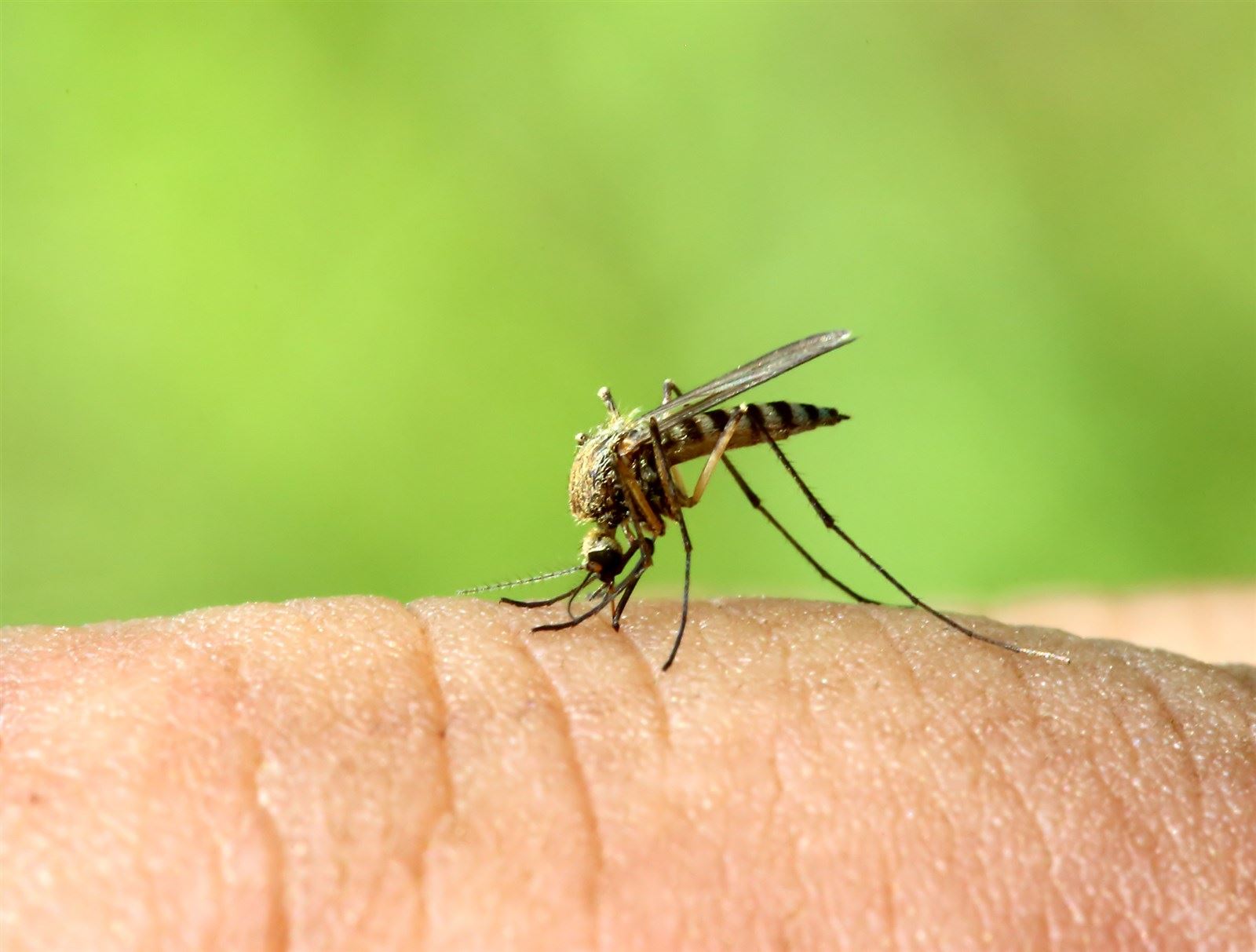
Mosquitoes are not only irritating but also carriers of diseases such as dengue fever, malaria, and Zika virus. To achieve mosquito-free camping, eliminate standing water around your site—check buckets, tarps, and rain flies. Sleep under a mosquito net treated with permethrin, and treat clothing and gear with the same chemical. Use a fan inside the tent; mosquitoes are weak fliers and avoid moving air. Wear light-colored, loose-fitting clothing that covers skin. Apply repellent to exposed skin and reapply after sweating or swimming. Plan activities for midday when mosquitoes are least active, and avoid camping near marshes or ponds.
Tick Prevention Tips: Staying Tick-Free On Your Camping Trip
Ticks transmit Lyme disease, Rocky Mountain spotted fever, and babesiosis, and their prevalence in wooded and grassy areas makes camping grounds a prime habitat. To stay tick-free, stick to cleared trails and avoid brushing against tall grass and underbrush. Wear light-colored clothing so ticks are easier to spot, and tuck pants into socks. Apply a permethrin treatment to clothing and gear before your trip. Perform full-body tick checks at the end of each day, paying special attention to armpits, groin, scalp, and behind the knees. Shower within two hours of coming indoors. If you find a tick attached, remove it with fine-tipped tweezers, grasping as close to the skin as possible and pulling upward with steady pressure. Clean the bite area with rubbing alcohol or soap and water.
More about Camping Free Keeping
- How To Plan A Camping Trip
- The Ultimate Land Rover Defender Camping Setup
- What To Wear Hiking In Utah
- Untamed Wilderness: Hiking In The Darien Gap
- Best Countries For Hiking: 10 Trail-Rich Destinations
- How To Craft A Walking Stick For Hiking/Trekking
- A History Of Camping: When Did This Outdoor Pastime Start?
- Wailua Falls Hike On Kauai, Hawaii: Complete Guide
- How To Reserve A Campsite At Rocky Mountain National Park
- Exploring America's Best Cave Kayaking Spots - Adventures & Sunsets
- How To Avoid Rattlesnakes While Hiking
- Climbing Uluru: A Step Too Far
- The Ultimate Day Hiking Guide In The French Alps
- A Guide To Hiking Doi Luang Chiang Dao
- How To Reserve A Campsite In American Fork Canyon
- Seat Fixer: DIY Solutions For Repairing Camping Chairs
- Connecting Coleman Propane Camping Gas: How It's Done
- Mt Pulag Hike: What To Bring, Do, See, And Expect (Guide)
- Camping Under The Stars: What To Wear At Night
- Interlaken Hiking Guide: 15 Awesome Hikes Near Interlaken
- Stay Cool With Dry Ice: Essential Tips For Camping With Dry Ice
- Climbing Mount Snowdon - Wales's Highest Peak
- How Many Hiking Trails Are In Yosemite National Park
- Where Are The Black Diamond Trail Trekking Poles Made?
- Hiking In Aigüestortes National Park, Catalonia
- How To Track Hiking On Garmin Vivoactive 3
- 8 Best Hikes Near Waikiki: A Complete Guide
- Reserving Your Spot: A Guide To Camping Site Reservations
- Diamond Head Crater Hike On Oahu, Hawaii
- Ghent Walking Tour: A Self-Guided City Trail (Belgium)
- Understanding BLM In Camping: What Does It Mean?
- Secret Ledges Of Deep Water Solo Climbing In Hawaii
- Skiing Season In Maryland: Get Ready To Hit The Trails
- Secret Waterfalls Of The Appalachian Trail
- Oklahoma's Secret Gypsum Cave Adventure
