

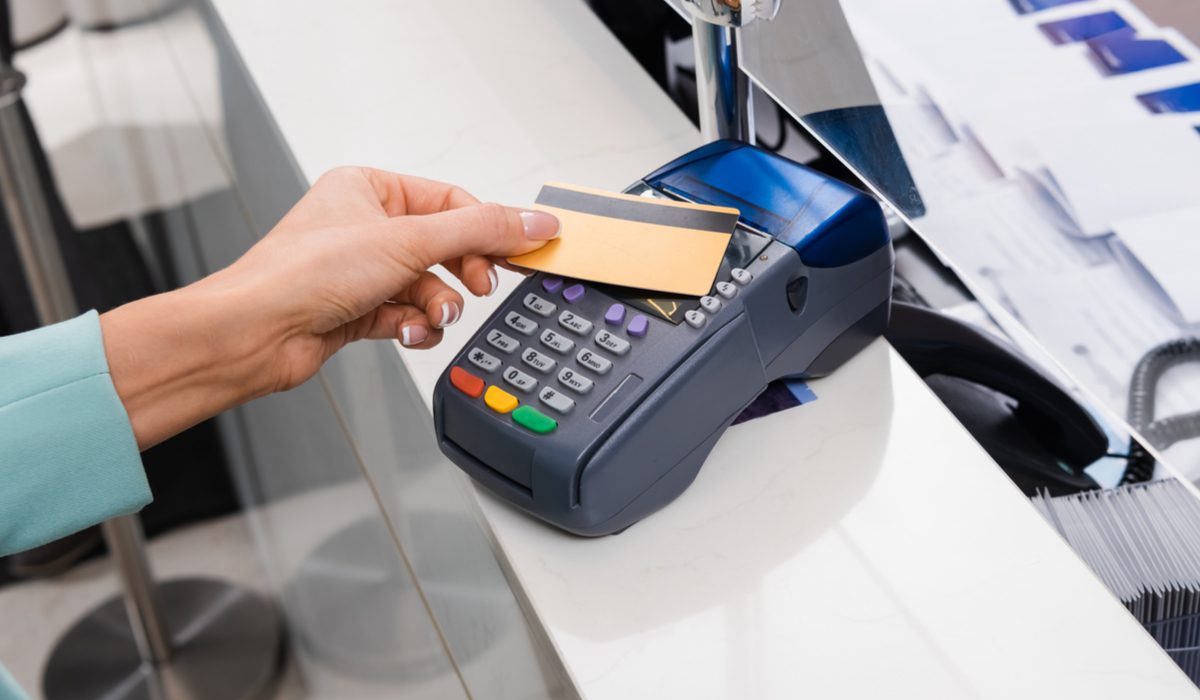
No, the credit card holder does not always have to be physically present at check-in, but you must plan ahead. Some hotels require the credit card holder or the original card used to guarantee the stay to be present at check-in, unless a third-party authorization is arranged in advance.
Hotel policies on this point vary by property, and the rules are designed to prevent fraud and protect both the guest and the hotel. Understanding what your specific hotel requires before you arrive is the key to avoiding a refused check-in or an unexpected payment demand.
Why Hotels Ask for the Cardholder
The main reason a hotel wants the cardholder present is to verify that the card used for the reservation is genuine and that the person checking in is authorized to use it. By requiring the physical card or the cardholder with a photo ID, the hotel can confirm the transaction is not fraudulent. This is a standard security measure in the travel industry, where identity theft and unauthorized charges are real concerns.
When you check in, the hotel will typically pre-authorize the card for the room rate plus an amount for incidentals, such as minibar, room service, or damages. This pre-authorization holds funds on the card and ensures the hotel can collect payment for any extra charges you incur during your stay. If the cardholder is not present, the hotel cannot complete this pre-authorization unless you have made other arrangements in advance.
Some hotels also require a valid ID or passport from the cardholder at check-in. This further confirms identity and helps maintain a secure environment for all guests. While these steps may feel intrusive, they are in place to protect you as much as the hotel.
It is important to remember that policies are not universal. A hotel in one city may have different rules from a hotel in another, and the same chain may vary by location. Always check your reservation confirmation or contact the property directly to understand exactly what will be expected of you.
Hotel Policies: What to Expect
Hotel policies regarding the credit card holder's presence fall into a few common categories. Knowing which one applies to your reservation will save you time and stress.
In such cases, if the cardholder is not present and no prior authorization has been arranged, the hotel may refuse to check you in or may require alternative payment methods. This policy is strictly enforced at many independent hotels and some larger chains to prevent card fraud.
Other hotels are more flexible. They may allow you to check in if you can provide a credit card authorization form, which is a document the cardholder signs to give you permission to use their card. This form must be completed in advance, and the hotel may also require a copy of the cardholder's ID and the front and back of the credit card. Some hotels accept this form via email or fax before your arrival.
If you booked through an online travel agency (OTA) like Expedia or Booking.com, the hotel's policy may be different. In many cases, the OTA has already processed the payment, and the hotel only needs a credit card for incidentals. However, some hotels still require the original card used for the reservation to be presented at check-in, even if the OTA has already charged you. This is to prevent chargebacks and verify the booking's legitimacy.
To avoid any surprises, call the hotel directly before you arrive. Ask for the front desk or reservations department and explain that you will be checking in without the cardholder. They will tell you exactly what documentation they need, such as a completed authorization form, a copy of the cardholder's ID, or a letter of consent. Some hotels may also allow you to prepay the room in full over the phone to avoid the need for the card at check-in.
Alternative Options When the Cardholder Can't Be There
If the cardholder will not be present, you have several options to ensure a smooth check-in. The most common and reliable method is to complete a credit card authorization form in advance. This form, which the cardholder fills out and signs, grants the hotel permission to charge the card for your stay and incidentals. The cardholder must also provide a copy of their photo ID and the front and back of the credit card. Send these documents to the hotel as early as possible, and confirm that they have received and accepted them.
Another option is to book the room with your own credit card and then change the payment method later. If you have already made a reservation with the cardholder's card, call the hotel and ask if you can switch the payment to your own card at check-in. Some hotels will allow this if you can provide a valid ID and a different credit card for the incidentals. However, this is not always possible, especially if the original card was used for a non-refundable prepaid rate.
For those who booked through a third-party platform, contacting the OTA's customer service may help. They can sometimes send a request to the hotel to update the payment method or add a note to the reservation. However, the final decision always rests with the hotel, so it is best to confirm directly with them.
If you are the cardholder and you are sending someone else to check in on your behalf, you should also consider leaving a written and signed letter that authorizes that person to use your card for incidentals. Some hotels accept this in lieu of a formal authorization form, but it is not guaranteed. Always ask the hotel what they prefer.
Finally, if you have booked a room and are worried about the cardholder requirement, consider using a prepaid hotel booking or a gift card. Prepaid bookings are often exempt from the cardholder rule because the room is already paid for. However, you will still need a credit or debit card for incidentals, and the hotel may require that card to be in your name. Check with the hotel to see if they accept a cash deposit instead.
What to Do If You Arrive and the Cardholder Isn't There
If you arrive at the hotel and realize you have not arranged for the cardholder's absence, do not panic. Speak directly with the front desk manager. Explain the situation and ask what your options are. In some cases, the hotel may allow you to place a cash deposit for incidentals instead of a credit card. This is more common at smaller properties or in Europe, but you should not rely on it.
If the hotel insists on the original card, you may need to pay for the room with your own credit card or cash. If you do not have sufficient funds, you could ask if there is a nearby ATM or if the hotel offers a payment plan. However, this is unlikely, and you may have to find alternative accommodation if you cannot provide an acceptable form of payment.
To avoid this scenario entirely, always carry a copy of any authorization forms or letters with you when you travel. Having the cardholder's contact information on hand can also help. If the hotel needs to verify anything, they can call the cardholder directly, but only if the cardholder is reachable and willing to confirm the authorization.
Conclusion
The credit card holder does not always have to be present at check-in, but you must take proactive steps to ensure you can check in without them. The most reliable method is to arrange a credit card authorization form in advance, which the cardholder completes and signs. This form, along with copies of their ID and card, gives the hotel permission to charge the card and allows you to check in smoothly.
Hotel policies vary, so always contact the hotel directly before your stay. Ask about their specific requirements for third-party payments, authorization forms, and incidentals. Some hotels may accept a letter of consent, while others may require the original card or a cash deposit. By clarifying these details in advance, you can avoid the stress of a refused check-in and enjoy your trip without interruption.
Remember that hotels prioritize security, and their policies are designed to protect both you and themselves. With clear communication and the right paperwork, you can navigate these requirements and have a pleasant stay, even if the cardholder is miles away. Always keep copies of any documentation you send to the hotel, and confirm that they have received and approved them before you arrive.
If you are traveling with someone else's card, or if you are the cardholder sending a friend or family member, plan ahead. A little preparation goes a long way in ensuring a seamless check-in. And if you are ever unsure, ask the hotel for guidance – they are used to these situations and will tell you exactly what they need.
Ultimately, the answer to the title question is yes, but with conditions. The cardholder or original card is often required, but a signed authorization form completed in advance is the standard workaround. By understanding the rules and preparing accordingly, you can avoid the common pitfalls and focus on enjoying your trip.
Related travel guides: Which Capital One Credit Card Can I Add A Second Card Holder, What Is The Card Holder Name, and 20 Best Hotel Booking Sites to Find Cheap Hotel Deals.
