

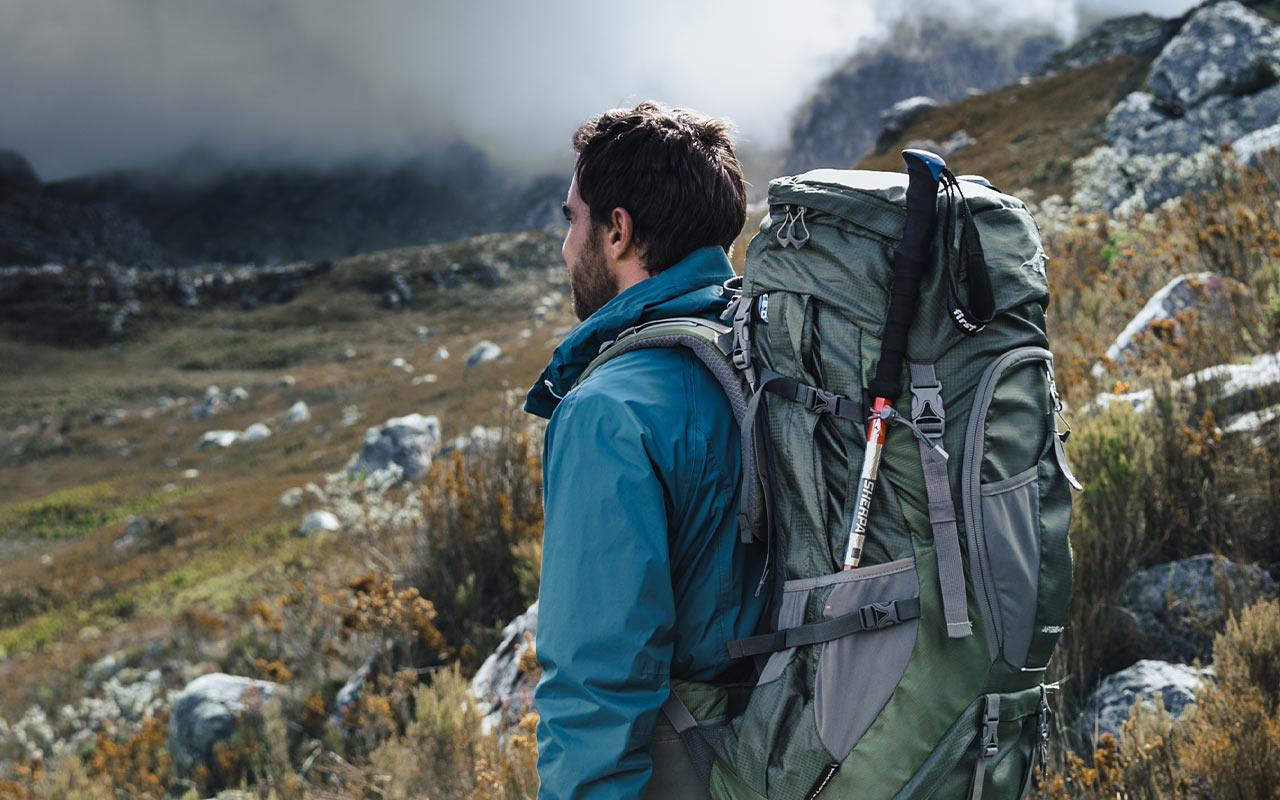
To wash a hiking backpack, use mild, pH-neutral soap and lukewarm water, scrubbing with a sponge or soft brush. Before you start, always check the manufacturer’s instructions, since different materials may require specific methods. Gather your supplies—soap, sponge, brush, and a soft cloth—then remove all contents and detachable parts like straps and hip belts before cleaning.
Gather Cleaning Supplies
Before you begin the cleaning process, it's important to gather all the necessary supplies. Having everything ready will make the process more efficient and ensure that you don't miss any steps along the way.
Related travel guides: How To Clean A Samsonite Suitcase, How To Wash Cotopaxi Backpack, and How Do I Tighten A Leki Trekking Pole?.
Here are the essential cleaning supplies you will need:
- Mild, pH-neutral soap or technical soap: Look for a gentle soap that is suitable for the material of your backpack. Avoid using standard detergent, as it can damage technical fabric. Harsh chemicals or bleach will also harm the material.
- Sponge or soft-bristle brush: These will help you scrub away dirt and stains without damaging the backpack's material.
- Lukewarm water: Use lukewarm water for cleaning, as it helps to dissolve dirt and grime more effectively without damaging technical fabrics.
- Soft cloth or towel: You'll need this for drying the backpack after washing.
- Optional: Stain remover or pre-treatment solution: If your backpack has stubborn stains, pre-treating them before washing can improve the chances of removing them completely.
Make sure to check the manufacturer's instructions to see if they recommend any particular cleaning products or tools for your specific backpack model. Some backpacks may have unique materials or special coatings that require specific care.
Once you have gathered all the necessary cleaning supplies, you're ready to move on to the next step: removing the contents from your backpack.
Remove Contents from Backpack
Before you begin cleaning your hiking backpack, it's essential to remove all the contents from it. This includes any gear, clothing, food, or personal items that may be stored in various compartments. Emptying the backpack will allow you to access every nook and cranny during the cleaning process.
Here are the steps to follow when removing the contents from your backpack:
- Choose a clean and spacious area: Find a clear space where you can empty and organize the items from your backpack. This will help you keep track of your belongings and make it easier to put everything back in its proper place later on.
- Take inventory: As you remove each item from your backpack, take inventory of what you have. This will give you an opportunity to inspect your gear for any damage or wear that may require attention.
- Sort and organize: Group similar items together to keep them organized. For example, separate clothing items from electronics or food items. This will make it easier to locate and access specific items when you need them.
- Inspect and clean individual items: While you have everything laid out, take the time to inspect each item for any dirt, stains, or damage. For clothing, check for any spots that may require spot cleaning or specialized treatment.
- Set aside items that require separate cleaning: If you come across any items that need separate cleaning, such as muddy shoes or soiled clothes, set them aside for cleaning later. Focus on cleaning the backpack first before addressing individual items.
By removing all the contents from your backpack and taking the time to organize and inspect your gear, you set yourself up for a thorough cleaning process. With everything sorted and ready to go, it's time to shake out any loose dirt and debris before proceeding to the next step.
Shake Out Loose Dirt and Debris
After emptying the contents of your backpack, the next step in cleaning is to shake out any loose dirt and debris. Over time, hiking backpacks can accumulate dirt, dust, leaves, and other particles from various outdoor adventures. By shaking out the backpack, you can remove these loose particles before proceeding with the washing process.
Here are the steps to follow when shaking out loose dirt and debris from your backpack:
- Take the backpack outside: Find a suitable outdoor space, such as a patio or open area, to shake out the dirt and debris. This will prevent any unwanted mess inside your home.
- Hold the backpack upside down: Flip the backpack upside down, holding it by the straps over the outdoor area.
- Give it a few firm shakes: Using a gentle yet firm motion, shake the backpack to dislodge any loose dirt or debris trapped in the pockets, crevices, and corners.
- Check the pockets and compartments: After shaking the backpack, inspect the pockets and compartments to ensure that they are empty of any remaining dirt or debris. Use your fingers or a small brush to remove any stubborn particles.
- Inspect the exterior: Pay attention to the exterior of the backpack as well. Check for any visible stains or spots that may require additional cleaning.
Shaking out loose dirt and debris is an important first step in the cleaning process. By removing these particles, you create a cleaner surface to work with when washing and scrubbing the backpack.
Now that you have shaken out the loose dirt and debris, you can move on to the optional step of pre-treating any stubborn stains that may be present on your hiking backpack.
Pre-Treat Stains (optional)
If your hiking backpack has stubborn stains, pre-treating them before washing the entire pack can help break down dirt and grime, making them easier to remove during cleaning.
Here are the steps to follow when pre-treating stains on your hiking backpack:
- Identify the stains: Take a close look at your backpack and identify any visible stains. Common types include mud, food spills, ink, or dirt marks.
- Choose a stain remover or pre-treatment solution: Select a product suitable for the type of stain and safe for the material of your backpack. Test a small, inconspicuous area first to ensure the product does not cause discoloration or damage.
- Apply the stain remover: Follow the manufacturer’s instructions. Apply a small amount directly to the stained area, gently rubbing it in with a sponge or soft brush. Allow it to sit for the recommended time. Avoid excessive force or scrubbing, as this may damage the fabric.
- Blot or rinse the area: After the stain remover has penetrated, gently blot the area with a clean cloth or rinse it with lukewarm water. This helps remove the product and any loosened dirt.
- Repeat if necessary: For stubborn stains, repeat the process. Be patient, and avoid harsh chemicals that could damage the fabric.
Pre-treating stains is optional and should only be done if needed. If your backpack has no visible stains, proceed directly to hand washing.
Once stains are pre-treated, move on to the main cleaning process of hand washing the backpack.
Hand Washing the Backpack
Hand washing your hiking backpack is the most effective way to remove dirt, sweat, and grime from the fabric. It allows you to have more control over the cleaning process and ensures that you can thoroughly clean every part of the backpack.
Here are the steps to follow when hand washing your hiking backpack:
- Fill a basin or sink with lukewarm water: Start by filling a basin or sink with enough lukewarm water to submerge your backpack.
- Add a mild, pH-neutral soap or technical soap: Add a small amount of mild, pH-neutral soap or technical soap to the water. Follow the recommended dosage on the product packaging. Avoid standard detergent, which can damage technical fabrics.
- Agitate the water to create suds: Gently swirl the water with your hand to create a soapy solution.
- Submerge the backpack: Immerse the backpack fully in the soapy water, ensuring that all parts of the backpack are submerged.
- Gently scrub the backpack: Use a sponge or soft-bristle brush to softly scrub the backpack, focusing on areas with visible dirt or stains. Pay extra attention to seams, zippers, and any hard-to-reach areas.
- Avoid excessive force: Be careful not to scrub too forcefully, as this may cause damage to the fabric or affect any waterproof coatings.
- Let it soak (if necessary): If your backpack is particularly dirty or has deep-set stains, let it soak in the soapy water for a short while to allow the soap to break down the dirt.
- Drain the soapy water: Once you have finished scrubbing, drain the soapy water from the basin or sink.
- Rinse the backpack: Rinse the backpack thoroughly with clean water until all traces of soap are removed. Make sure to rinse both the interior and exterior of the backpack.
- Press out excess water with a towel: Gently press the backpack with a clean towel to remove excess water without wringing or twisting the fabric.
- Repeat the rinse if necessary: If the water still appears soapy, repeat the rinsing process until the water runs clear.
Hand washing your backpack allows you to focus on areas that need more attention and ensures a thorough clean. But remember, always follow the manufacturer's instructions for your specific backpack model, as some materials may require different cleaning methods.
With the backpack properly washed and rinsed, you can now move on to the next step, which is drying the backpack.
Rinse the Backpack Thoroughly
After hand washing your hiking backpack, it's crucial to rinse it thoroughly to remove any remaining detergent or residue. Rinsing ensures that your backpack is clean and free from any soapy substances that can potentially damage the fabric or irritate your skin during future use.
Here are the steps to follow when rinsing your hiking backpack:
- Prepare clean water: Fill a sink or basin with clean, lukewarm water. It should be enough to fully submerge the backpack.
- Submerge the backpack in water: Immerse the backpack in the clean water, ensuring that all parts of the backpack are submerged.
- Agitate the water: Gently swish the backpack in the water to dislodge any remaining detergent or residue. This helps to ensure a thorough rinse.
- Pay attention to zippers and pockets: Make sure to open all zippers and pockets to allow the water to flow through and rinse out any trapped residue.
- Rinse multiple times if necessary: Depending on how soapy the water appears, you may need to repeat the rinsing process several times until no suds are visible.
- Drain the water: Once the backpack is thoroughly rinsed, drain the water from the sink or basin.
It's important to note that rinsing your backpack well is crucial, as any lingering detergent can cause the fabric to become stiff or irritate your skin during future use. Take your time and ensure that the water runs clear after rinsing.
Now that your backpack is properly rinsed, it's time to move on to the next step: drying the backpack.
Drying the Backpack
After thoroughly rinsing your hiking backpack, the next step is to properly dry it. Proper drying ensures that no moisture is left trapped in the fabric, which can lead to unpleasant odors, mold, or mildew.
Here are the steps to follow when drying your hiking backpack:
- Press out excess water with a towel: Gently press the backpack with a clean towel to remove excess water without wringing or twisting the fabric.
- Use a clean towel to absorb moisture: Lay the backpack flat on a clean, absorbent towel. Gently press the towel against the backpack to absorb any remaining moisture.
- Air dry in a well-ventilated area: Find a well-ventilated area where you can hang the backpack to air dry. Ideally, choose a spot away from direct sunlight or heat sources, as these can cause the fabric to fade or deform.
- Keep the backpack open: Ensure that all zippers, pockets, and compartments are left open during the drying process. This helps air circulate inside and prevents any trapped moisture.
- Rotate the backpack: To ensure even drying, periodically rotate the backpack. This helps to prevent any areas from staying damp for too long.
- Patience is key: Allow the backpack to air dry completely. The drying time will vary depending on the material, humidity levels, and air circulation, so be patient. It may take several hours or even overnight for the backpack to dry completely.
It's important to remember not to use any artificial heat sources like hair dryers or heaters to accelerate the drying process. High heat can damage the fabric and affect the backpack's overall performance and durability.
Once your backpack is completely dry, you can move on to the final step: reassembling and restoring it to its original condition.
Reassembling and Restoring the Backpack
After your hiking backpack has dried completely, it's time to reassemble it and restore it to its original condition. This final step ensures that your backpack is ready for your next outdoor adventure and is in optimal working order.
Here are the steps to follow when reassembling and restoring your backpack:
- Inspect the backpack: Take a look at your backpack and make sure all components are clean and dry. Check the zippers, buckles, straps, and other attachments for any signs of damage or wear. If you notice any issues, address them accordingly.
- Reattach detachable parts: If you removed any detachable parts, such as shoulder straps or hip belts, reattach them to the backpack following the manufacturer's instructions.
- Organize your gear: Before placing your gear back into the backpack, take a moment to organize and pack it efficiently. Use the pockets and compartments according to your needs, ensuring that weight is distributed evenly.
- Double-check for cleanliness: Before closing your backpack, perform a final visual check to ensure that everything is clean and free of any remaining dirt or stains.
- Secure the closures: Zip up all the compartments, close any drawstrings, and secure any straps or buckles to ensure that your backpack is properly closed and secured.
- Store in a dry, cool place: Find a suitable location to store your backpack when it is not in use. Avoid damp or humid areas, as they can promote the growth of mold and mildew.
By reassembling and restoring your backpack, you ensure that all components are in working order and that your gear is neatly organized and ready for your next adventure.
With your hiking backpack now cleaned, dried, and restored, you can feel confident in its cleanliness and functionality. Remember to go through the cleaning process periodically to maintain your backpack's condition and prolong its lifespan.
Happy hiking!
Conclusion
Cleaning your hiking backpack is a necessary task to keep it in optimal condition and ready for your outdoor adventures. By following the steps outlined in this guide, you can effectively wash and restore your backpack, ensuring its cleanliness and longevity.
Starting with gathering the necessary cleaning supplies, removing the contents, and shaking out loose dirt and debris, you set the stage for a thorough cleaning process. Pre-treating stains, when necessary, helps to tackle stubborn marks before proceeding with hand washing the backpack.
Hand washing your backpack allows you to have complete control over the cleaning process, ensuring that every inch of your backpack receives the attention it deserves. Thoroughly rinsing the backpack is crucial to remove any remaining soap or residue, and then properly drying it prevents any moisture from causing mold or mildew.
Finally, reassembling and restoring your backpack ensures that all components are in working order and your gear is neatly organized for your next adventure.
Remember, always refer to the manufacturer's instructions for any specific care guidelines for your backpack model, as different materials may require tailored cleaning techniques.
By regularly cleaning and maintaining your hiking backpack, you can extend its lifespan, keep it fresh for your outdoor excursions, and ensure that it remains a reliable companion on your journeys.
So grab your backpack, get out there, and enjoy the great outdoors!
