

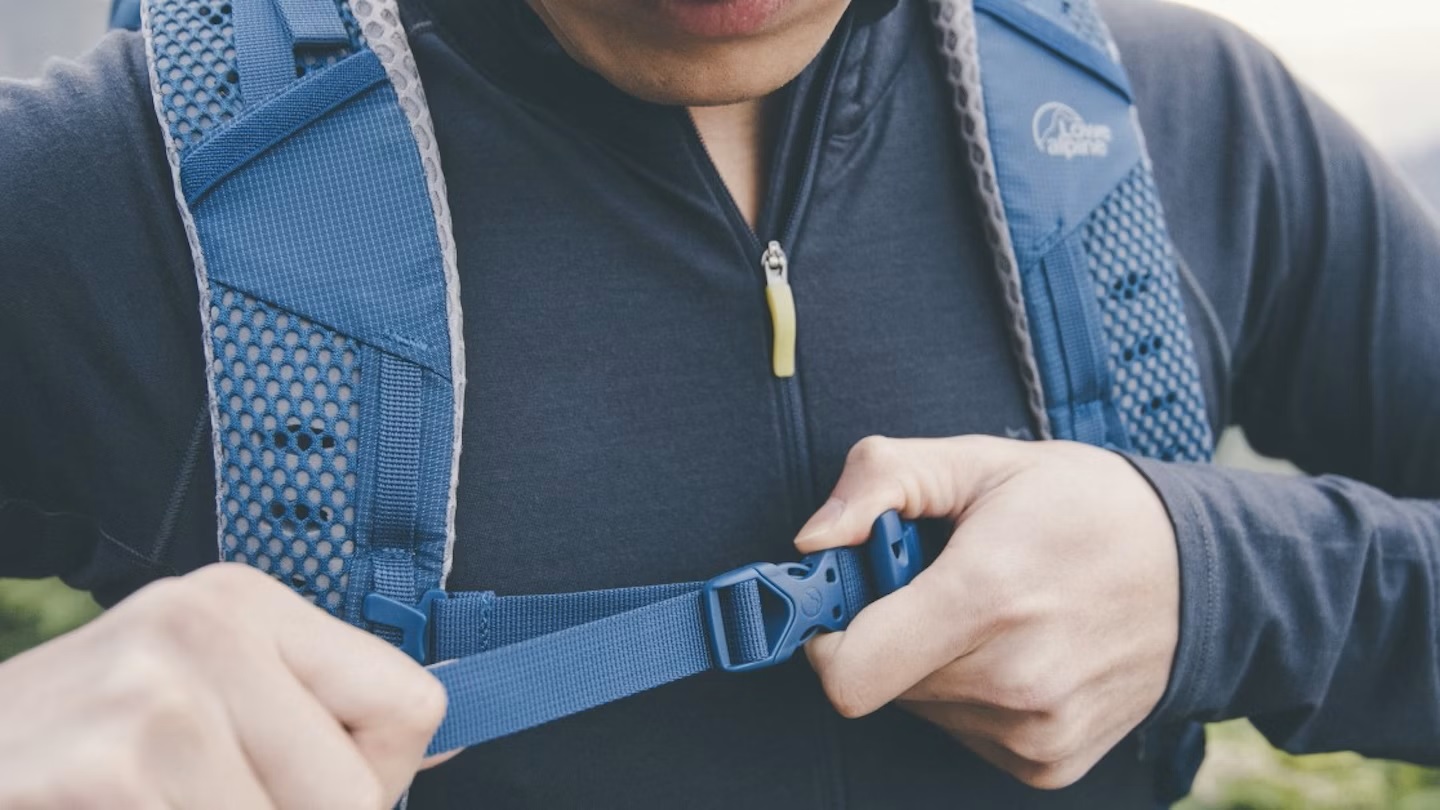
To stop backpack straps from loosening, you must first adjust them correctly and then secure the loose end of the strap with a simple knot or a strap keeper. The only real catch is that this fix works best on straps with standard plastic hardware, not on worn-out or low-quality buckles that slip under load. Once you understand why straps loosen—from movement, poor initial adjustment, or degraded hardware—you can apply these practical methods for a comfortable, stable carry on any hike or commute.
Why backpack straps loosen
Understanding why backpack straps tend to loosen is key to finding effective solutions. There are several reasons why backpack straps can loosen during use:
Related travel guides: What Are The Straps On A Backpack Called, How To Fit Osprey Backpack, and How To Shorten Backpack Straps.
- Inadequate initial adjustment: Sometimes, the straps are not properly adjusted from the start. If the straps are too loose or too tight, they are more likely to shift and loosen during use.
- Movement and friction: As you move, the straps rub against your clothing or body, causing them to gradually loosen over time. This is especially common during vigorous activities such as hiking or running.
- Poor quality hardware: In some cases, the straps may be equipped with low-quality buckles or fasteners that easily loosen under pressure. It's important to invest in backpacks with sturdy and reliable hardware.
- Deterioration over time: With regular use, the straps may become worn out or stretched, reducing their ability to stay in place. This can often happen with older backpacks or ones that have been subject to heavy use.
Now that we understand the reasons behind backpack straps loosening, it's time to explore why it is important to ensure that your backpack straps are secure.
Importance of secure backpack straps
Having secure backpack straps is essential for several practical reasons. Here's why keeping your straps properly fastened matters:
- Comfort: Securely tightened straps help distribute the weight of your backpack evenly, reducing strain on your shoulders and back. This ensures greater comfort, especially during long hikes or travels.
- Stability: Loose straps can cause your backpack to sway or shift while walking or engaging in physical activities. This can throw off your balance and potentially lead to accidents or injuries.
- Protection of belongings: A properly secured backpack minimizes the risk of your belongings falling out or getting damaged. Loose straps can allow items to slip out or shift within the backpack, leading to potential loss or damage.
- Reduced fatigue: When your backpack is secured properly, it stays aligned with your body's natural center of gravity. This promotes better posture and reduces fatigue, allowing you to stay energized for longer periods.
- Peace of mind: Knowing that your backpack straps are secure gives you peace of mind and allows you to focus on enjoying your outdoor adventure or travel experience without the constant worry of your backpack shifting or coming undone.
By ensuring your backpack straps are secure, you enhance your overall comfort, stability, and the safety of your belongings. Now that we understand the importance of secure backpack straps, let's explore some practical methods to prevent them from loosening.
Methods to prevent backpack straps from loosening
Fortunately, there are several effective methods you can employ to prevent your backpack straps from loosening. Let's explore some practical solutions:
- Proper adjustment: Start by adjusting your backpack straps to ensure a snug and comfortable fit. The straps should be tight enough to secure the backpack to your body but not so tight that they restrict your movement or cause discomfort.
- Re-threading straps: After adjusting the straps, re-thread them correctly through both buckle slots in the manufacturer’s path. This creates a secure lock that prevents the straps from slipping or loosening during use.
- Using strap keepers: Strap keepers such as Velcro tape, webbing clips, or sewn loops can be attached to the excess strap length, keeping them in place and preventing them from dangling or coming loose.
- Knotting the straps: Another effective method is to tie a simple knot near the buckle after adjusting them to the desired length. This knot acts as a physical barrier, preventing the straps from slipping through the buckles or fasteners.
- Hook and loop fasteners: You can use hook and loop fasteners, commonly known as Velcro, as strap keepers on the backpack straps. These fasteners provide an additional layer of security, helping to keep the straps in place.
- Using additional accessories: Attaching accessories to the straps can provide extra tension and prevent them from loosening. These can be easily adjusted to ensure a secure fit for your backpack.
By implementing these methods, you can significantly reduce the chances of your backpack straps loosening during your travels or outdoor adventures. However, it's important to remember that regular maintenance and inspections are also crucial to ensure the continued security of your backpack straps.
Proper adjustment of backpack straps
Properly adjusting your backpack straps is essential for optimal comfort and security. Follow these steps to ensure a proper fit:
- Start with an empty backpack: Before adjusting the straps, empty your backpack to avoid unnecessary strain or discomfort.
- Put on the backpack: Put the backpack on and position it on your back, making sure the weight is distributed evenly.
- Adjust the shoulder straps: Start by adjusting the shoulder straps. They should be snug against your shoulders, without digging into your skin or causing discomfort. Avoid over-tightening, as this can restrict your movement and lead to discomfort over time.
- Secure the sternum strap: Locate the sternum strap, which is the strap that goes across your chest. Fasten and adjust it so that it sits comfortably across your sternum, helping to distribute the weight evenly and stabilize the backpack.
- Tighten the hip belt: If your backpack has a hip belt, fasten it around your hips and adjust the tightness. The hip belt helps transfer a significant portion of the weight to your hips, reducing strain on your shoulders.
- Check for proper weight distribution: Once you have adjusted the straps, ensure that the weight of the backpack is evenly distributed across your back. If you feel any discomfort or imbalance, readjust the straps accordingly.
- Test the fit: Take a few steps and move around to test the fit of the backpack. If you notice any slippage or discomfort, make additional adjustments until you achieve a secure and comfortable fit.
It's important to note that everyone's body shape and size are different, so take the time to experiment and find the adjustment that works best for you. Additionally, remember to readjust the straps if you remove or add items to your backpack during your journey.
Now that you know how to properly adjust your backpack straps, let's explore additional accessories and fasteners that can provide extra security.
To prevent straps from loosening during use, consider these methods:
- Re-threading straps: After adjusting the straps, re-thread them correctly through both buckle slots in the manufacturer’s path. This ensures the strap is properly seated and less likely to slip.
- Using strap keepers: Strap keepers such as Velcro tape, webbing clips, or sewn loops can be attached to the excess strap length, keeping them in place and preventing them from dangling or coming loose.
- Knotting the straps: Another effective method is to tie a simple knot near the buckle after adjusting them to the desired length. This stops the strap from feeding back through the buckle.
- Hook and loop fasteners: You can use hook and loop fasteners, commonly known as Velcro, as strap keepers on the backpack straps. Wrap a piece of Velcro tape around the excess strap to secure it neatly.
- Using additional accessories: Attaching accessories to the straps can provide extra tension and prevent them from loosening. For example, you can add friction by roughening the buckle with sandpaper to increase grip.
- Add-on strap keepers: If your backpack does not come with strap keepers, you can use Velcro tape, webbing clips, or sewn loops separately. These are simple, adjustable solutions that work with most backpacks.
By combining proper adjustment with these securing techniques, you can keep your backpack straps firmly in place throughout your journey.
Using additional fasteners or accessories
In addition to proper adjustment, there are several additional accessories and fasteners that can help keep your backpack straps secure. Here are some options to consider:
- Chest strap: Some backpacks come with an adjustable chest strap that connects the shoulder straps. This strap helps to distribute the weight evenly and prevents the shoulder straps from slipping or shifting during movement.
- Sternum strap: Similar to the chest strap, the sternum strap also connects the shoulder straps but sits lower across the chest. It helps stabilize the backpack and prevents the straps from sliding sideways.
- Compression straps: Compression straps are commonly found on backpacks and are designed to compress the contents of the backpack. These straps not only help secure the load inside the backpack but also provide added stability by minimizing movement and loosening of the straps.
- Re-threading straps: After adjusting the straps, re-thread them correctly through both buckle slots in the manufacturer’s path. This ensures the strap is properly secured and less likely to slip.
- Knotting the straps: Another effective method is to tie a simple knot near the buckle after adjusting them to the desired length. This stops the strap from feeding back through the buckle.
- Using strap keepers: Strap keepers such as Velcro tape, webbing clips, or sewn loops can be attached to the excess strap length, keeping them in place and preventing them from dangling or coming loose.
- Hook and loop fasteners: You can use hook and loop fasteners, commonly known as Velcro, as strap keepers on the backpack straps. This helps secure the excess strap length.
- Add-on strap keepers: If your backpack does not come with strap keepers, you can use Velcro tape, webbing clips, or sewn loops separately.
- Adding friction: For added security, you can roughen the buckle with sandpaper to increase friction and prevent the strap from slipping.
By utilizing these additional fasteners or accessories, you can further secure your backpack straps and minimize the chances of them loosening during your travels or outdoor activities.
Regular maintenance and inspections
Maintaining and regularly inspecting your backpack and its straps is crucial to ensure their longevity and functionality. Here are some tips for regular maintenance and inspections:
- Clean and condition: Keep your backpack clean by regularly washing it according to the manufacturer's instructions. Dirt, grime, and sweat can accumulate over time and affect the performance of the straps. Conditioning the straps with a suitable product can help keep them supple and prevent them from becoming stiff or brittle.
- Check for wear and tear: Inspect the straps and hardware for any signs of wear and tear. Look for frayed edges, loose threads, or weakened areas in the straps. Also, examine the buckles, fasteners, and stitching to ensure they are all in good condition and functioning properly.
- Tighten loose stitches: If you notice any loose stitches, repair them promptly to prevent further damage. Use a needle and thread or consult a professional if needed.
- Replace damaged parts: If you find any significant damage to the straps or hardware that cannot be repaired, it's important to replace those parts. Contact the backpack manufacturer or visit a reliable outdoor gear store to find compatible replacement parts.
- Test the straps regularly: Regularly test the straps by putting the backpack on and moving around. Pay attention to any signs of slippage or discomfort. If you notice any issues, readjust and secure the straps before continuing your journey.
- Carry weight within the recommended limit: Avoid overloading your backpack with excessive weight. Exceeding the recommended weight limit can put extra strain on the straps and cause them to loosen more easily. Be mindful of the weight you carry, and distribute it evenly in your backpack.
- Store your backpack properly: When not in use, store your backpack in a cool and dry place. Avoid leaving it in direct sunlight or extreme temperatures, as this can damage the straps and materials over time. Additionally, do not hang your backpack by the straps, as this can cause them to stretch or weaken.
By implementing regular maintenance and inspections, you can ensure that your backpack straps remain in excellent condition and securely support your belongings for years to come.
Now that we have covered regular maintenance and inspections, let's conclude our discussion.
Conclusion
Keeping your backpack straps secure and preventing them from loosening is crucial for a comfortable and safe traveling experience. By following the methods and tips outlined in this article, you can ensure that your backpack straps stay in place throughout your journeys.
First, remember the importance of proper adjustment. Take the time to adjust your backpack straps to achieve a snug and comfortable fit, distributing the weight evenly across your body. Re-thread the straps correctly through both buckle slots in the manufacturer’s path, and consider using strap keepers such as Velcro tape, webbing clips, or sewn loops, or tying a simple knot near the buckle to prevent them from slipping.
Additionally, consider utilizing extra accessories and fasteners like chest straps or compression straps to add an extra layer of security. Regularly inspect your backpack and straps for wear and tear, and promptly address any loose stitches or damaged parts. Clean and condition your backpack to keep the straps in good condition.
By practicing these preventive measures and conducting regular maintenance, you can ensure that your backpack straps remain secure and reliable, providing you with comfort, stability, and peace of mind during your adventures.
So, whether you're embarking on a backpacking trip, commuting to work, or simply enjoying a day hike, take the necessary steps to keep your backpack straps from loosening and enjoy a hassle-free and comfortable journey.
