

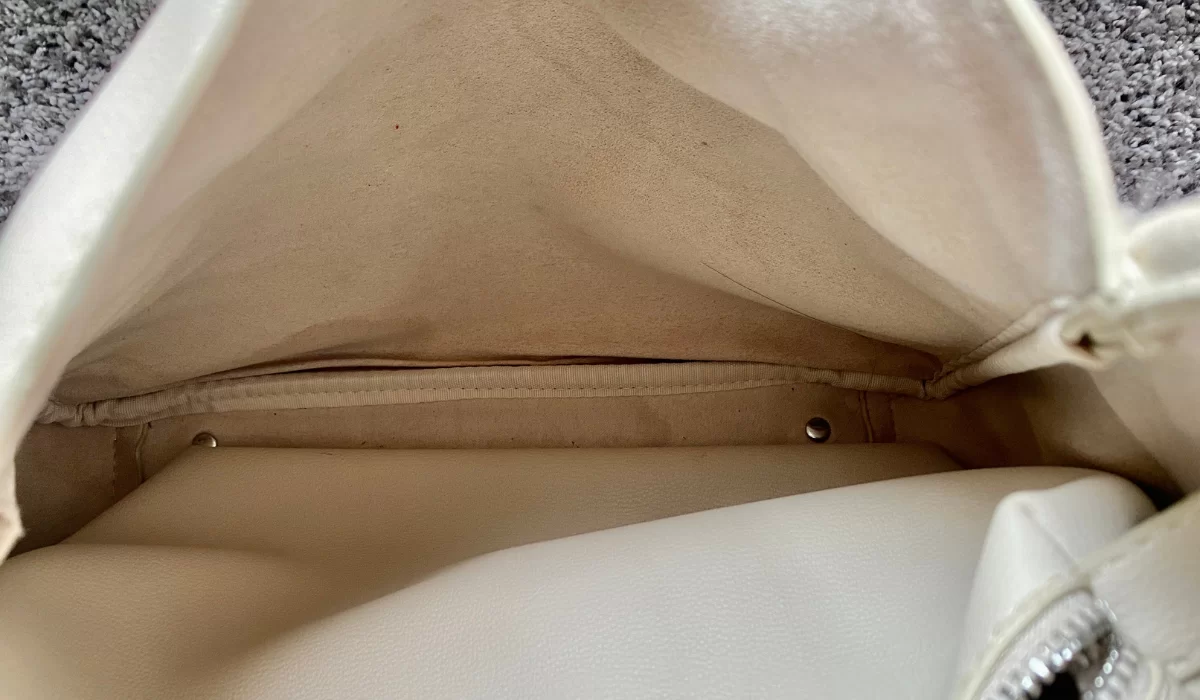
To remove mold from a suitcase, mix equal parts white vinegar and water or rubbing alcohol and water, apply it to the affected areas, and let the suitcase dry in direct sunlight. The caveat is that sunlight can cause fading on some materials, so test an inconspicuous spot first. For stubborn stains, use a rubbing alcohol and water solution, scrubbing gently with a soft-bristle brush or old toothbrush to reach crevices and seams.
Step 1: Gather Supplies
Before you can begin the process of removing mold from your suitcase, gather these supplies:
- Vinegar: You'll need white vinegar for this cleaning process.
- Water: You'll need clean water to dilute the vinegar or rubbing alcohol.
- Rubbing alcohol: If the mold stains are stubborn and not coming off with vinegar, you can try a rubbing alcohol and water solution.
- Protective Gear: Wear rubber gloves, safety glasses, and a face mask to avoid direct contact with mold and its spores.
- Soft-bristle brush or cloth: A soft-bristle brush or clean cloth will help scrub away mold stains gently without damaging the suitcase material.
- Old toothbrush: An old toothbrush can reach crevices and hard-to-reach areas where mold may be hiding.
- Clean, dry towels: You'll need towels to dry the suitcase after cleaning.
- Plastic bag: Use a plastic bag to seal and safely dispose of any items you cannot salvage.
Prepare a cleaning solution: mix equal parts white vinegar and water or rubbing alcohol and water. Apply the mix to affected areas using a cloth or sponge. Place the suitcase in direct sunlight if possible to help dry it completely, but be mindful of potential fading on some materials. Having everything on hand will make the cleaning process more efficient.
Step 2: Remove Mold Stains
Now that you have gathered all the necessary supplies, it's time to tackle the mold stains on your suitcase. Here's how to do it:
- Inspect the suitcase: Begin by examining the entire suitcase for visible mold stains. Check all the corners, seams, and pockets carefully as mold can easily hide in these areas.
- Pre-treat the stains: If the mold stains are stubborn and have penetrated deep into the fabric, pre-treat the affected areas. You can do this by spraying a mixture of white vinegar and water (equal parts) directly onto the stains. Let it sit for a few minutes to loosen the mold.
- Scrub the stains: Use a soft-bristle brush or a cloth to gently scrub the mold stains. Apply slight pressure and continue scrubbing until the stains start to fade. Be careful not to scrub too hard, as it may damage the suitcase material.
- Target hard-to-reach areas: Use an old toothbrush dipped in the vinegar-water or rubbing alcohol-water solution to reach difficult-to-access areas. Pay close attention to zippers, handles, and any other nooks and crannies where mold may be present.
- If stubborn stains remain: If stubborn mold stains remain after using vinegar, you can try a rubbing alcohol and water solution. Apply a 1:1 mix of white vinegar and water or rubbing alcohol and water to the affected areas using a cloth or sponge. Remember to do a patch test in an inconspicuous area to ensure it doesn't cause any discoloration.
- Rinse the suitcase: After treating the mold stains, rinse the entire suitcase with clean water to remove any residue. This step will also help get rid of the vinegar or rubbing alcohol smell.
Once you have completed this step, the mold stains on your suitcase should be noticeably lighter or completely removed. In the next step, we will focus on cleaning the entire suitcase to eliminate any remaining mold spores and prevent future growth.
Step 3: Clean the Moldy Areas
Now that you have successfully removed the mold stains from your suitcase, it's time to clean the moldy areas to ensure that all traces of mold are eliminated. Follow these steps to thoroughly clean the affected areas:
- Dip a cloth or sponge: Dip a clean cloth or sponge into the solution, ensuring it is damp but not soaking wet.
- Clean the moldy areas: Gently scrub the moldy areas of your suitcase using the cloth or sponge. Pay close attention to all surfaces, including the inside and outside of the suitcase, pockets, and corners. Repeat the process as needed until you are satisfied that all traces of mold have been removed.
- Focus on crevices and hard-to-reach areas: Mold can easily hide in crevices and hard-to-reach areas. Use an old toothbrush dipped in the solution to clean these areas thoroughly.
- Rinse the suitcase: Once you have cleaned all the moldy areas, rinse the entire suitcase with clean water. This will help remove any leftover residue.
- Dry the suitcase: After rinsing, use clean towels to gently wipe down the suitcase and remove excess moisture. Ensure that all parts of the suitcase are completely dry before moving on to the next step.
By following these steps, you will not only remove visible mold but also eliminate any remaining mold spores that may lead to future mold growth. A clean and mold-free suitcase will give you peace of mind for your future travels.
Step 4: Dry the Suitcase
After cleaning the moldy areas of your suitcase, it's crucial to ensure that it is thoroughly dried. Proper drying will help prevent any residual moisture from promoting mold growth. Follow these steps to effectively dry your suitcase:
- Empty the suitcase: Remove all items from your suitcase and set them aside in a clean, dry area.
- Open all compartments and pockets: Open up all compartments, pockets, and zippers to allow air to circulate freely inside the suitcase.
- Choose a well-ventilated area: Find a well-ventilated area in your home or outdoors where you can place the suitcase for drying.
- Leave it in an upright position: Place the suitcase in an upright position to facilitate air circulation throughout the interior.
- Use a fan or dehumidifier (optional): If you want to speed up the drying process, you can place a fan or dehumidifier near the suitcase. This will help remove excess moisture from the air and expedite the drying time.
- Rotate the suitcase: After a few hours, rotate the suitcase to ensure that all parts are adequately exposed to airflow.
- Check for dryness: After 24-48 hours, check the suitcase for dryness. The material should feel dry to the touch with no dampness or musty odor.
It's essential to be patient and allow sufficient time for the suitcase to dry completely. Rushing the drying process may lead to residual moisture, which can attract mold and undo all your cleaning efforts. Once your suitcase is thoroughly dried, you can move on to the final step to prevent mold growth in the future.
Step 5: Prevent Mold Growth
Now that you have successfully removed mold from your suitcase and dried it, it's important to take preventive measures to avoid future mold growth. Follow these tips to keep your suitcase mold-free:
- Proper storage: Store your suitcase in a cool, dry place away from dampness. Avoid storing it in basements, attics, or other areas prone to high humidity.
- Air it out: Every few months, take your suitcase out of storage and air it out. Open all compartments, shake out any debris, and let it breathe for a few hours.
- Use silica gel packets: Place a few silica gel packets inside your suitcase before storing it. Silica gel helps absorb excess moisture and prevents mold growth.
- Keep it clean: Regularly clean your suitcase inside and out to prevent dirt and dust buildup, which can create a favorable environment for mold.
- Avoid damp items: Ensure that no damp or wet items are stored inside your suitcase. Moisture can promote mold growth, so it's important to keep all items dry before packing them.
- Consider using a protective cover: A protective cover can provide an extra layer of defense against dust, moisture, and mold. Look for covers made from breathable materials.
- Inspect before each use: Before packing for your next trip, carefully inspect your suitcase for any signs of mold or musty odors. If you notice anything suspicious, repeat the cleaning process.
By following these preventive measures, you can significantly reduce the chances of mold growth in your suitcase.
Conclusion
Dealing with mold on your suitcase can be frustrating, but with the right steps, you can effectively remove it. By following the steps outlined in this article, you can ensure your suitcase is clean, mold-free, and ready for your next trip.
Gather all necessary supplies before you begin. You'll need white vinegar for this cleaning process. Vinegar, water, rubbing alcohol, and protective gear are essential for safely removing mold stains. Take your time to inspect and treat all visible mold stains, using a soft-bristle brush or cloth.
After removing the mold stains, thoroughly clean your suitcase using a cleaning solution: mix equal parts white vinegar and water or rubbing alcohol and water. Rinse the suitcase and ensure it is completely dry before storing it.
Take preventive measures to keep your suitcase mold-free. Proper storage, regular cleaning, and inspection before each use are important habits. Consider using silica gel packets and a protective cover to further safeguard your suitcase from moisture.
Remember, tackling mold is not just about aesthetics; it's also about your health. By following these steps and taking preventive measures, you can enjoy your travels without worry.
Related travel guides: How To Clean Tumi Luggage Launder, How To Clean Tumi Bags, and How To Clean An Old Suitcase.
