

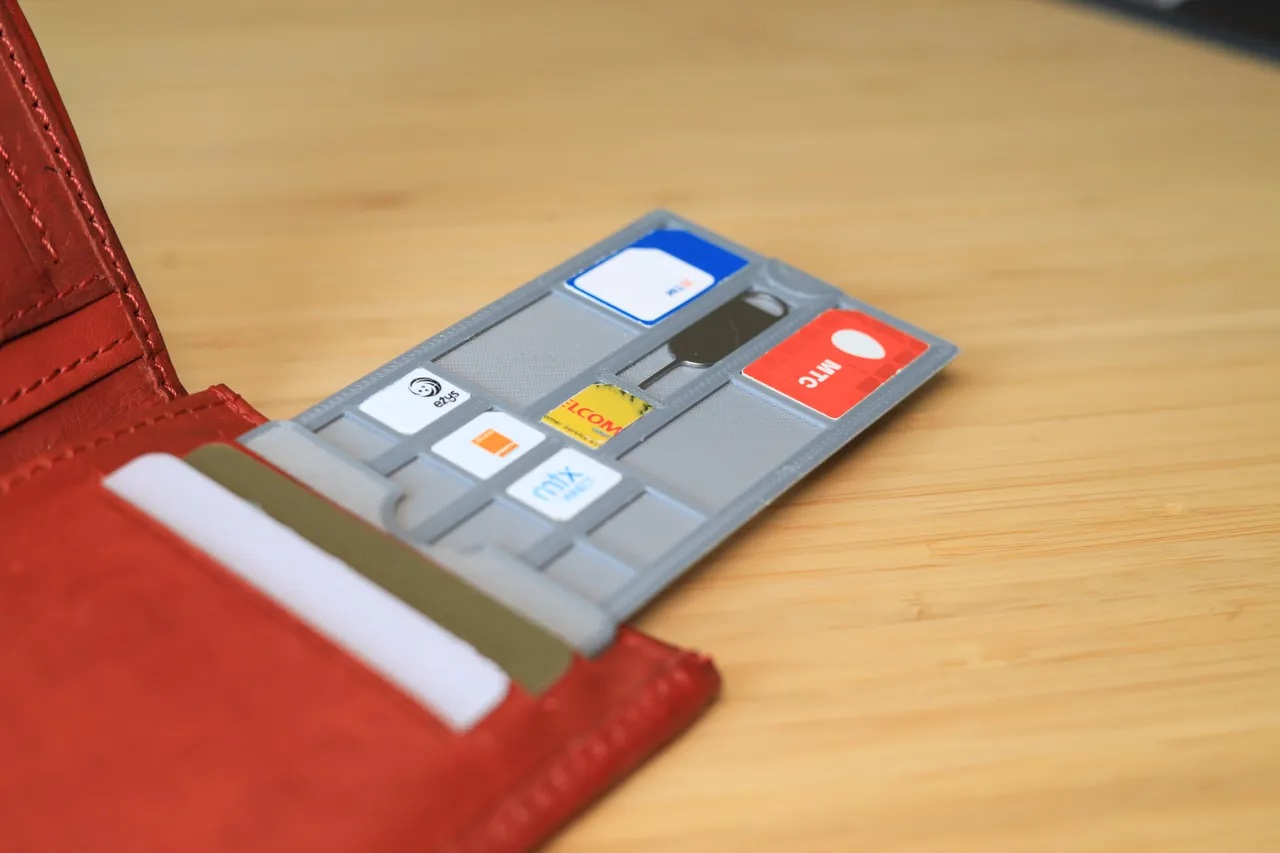
To put a SIM in a SIM card holder, you locate the small tray or slot on your device, open it with a tool or fingernail, insert the card with the gold chip facing the correct direction, and push the tray back in until it clicks. The one catch is that your SIM card must match your device’s size—standard, micro, or nano—or you will need an adapter or cutter to make it fit. Before you start, confirm you have an active SIM and a mobile network plan, or your device won’t connect to calls, texts, or the internet.
Step 1: Locate the SIM Card Holder
The first step is to find the SIM card holder on your device. Its exact location varies by make and model, but it is usually on the side or top.
Look for a small tray or slot with a tiny pinhole. This pinhole releases the SIM card tray. You may also see a small icon or the word "SIM" next to the slot.
If you have trouble, consult your device’s user manual or search online for instructions specific to your model. Manufacturers often provide detailed diagrams on their websites. For example, if you are traveling and need to swap SIMs, ensure your device is compatible with the local network, just as you would check that your suitcase size fits under an airline seat before a flight.
Once you have located the SIM card holder, proceed to the next step.
Step 2: Open the SIM Card Holder
Insert a SIM card ejection tool or a small paperclip into the pinhole on the SIM card holder. Apply gentle pressure until you feel slight resistance, which releases the tray. Gently pull the tray out from the device.
Some devices use a small notch or groove instead of a pinhole. In that case, use your fingernail or a thin tool to gently pry the holder open. Exercise caution to avoid damage. If you encounter difficulties, consult the user manual or contact the manufacturer’s support.
Once the holder is open, you can proceed to insert the SIM card.
Step 3: Insert the SIM Card
Now that the SIM card holder is open, insert the SIM card as follows:
- Ensure the SIM card matches your device’s size. If needed, use a SIM card cutter or adapter to resize it.
- Locate the SIM card slot in the tray—usually near the edge, marked with a diagram or text showing the correct orientation.
- Place the SIM card into the slot, aligning the notched corner or gold chip with the corresponding notch or diagram on the tray.
- Gently push the tray back into the device until it clicks into place.
Inserting the SIM card in the wrong orientation may cause connection issues or damage. Take your time to ensure it is securely seated. If you have a dual SIM device, repeat these steps for each card. Once inserted, you can proceed to secure the holder. For travelers, remember that a SIM card swap is far simpler than figuring out how much your suitcase can weigh on Southwest or how to unlock a locked Samsonite suitcase.
Step 4: Secure the SIM Card Holder
After inserting the SIM card into the holder, secure it to keep it in place:
- Gently push the SIM card holder tray back into the device until it is fully inserted and flush with the surface.
- Make sure the holder is securely closed with no visible gaps between the tray and the device.
Properly securing the holder prevents accidental ejection or interruptions in SIM card functioning. Double-check that it is closed before moving on. If you encounter difficulties or notice loose connections, seek assistance from the device manufacturer or a certified technician to avoid damage.
With the holder securely closed, proceed to test the SIM card connection and ensure everything works properly.
Step 5: Test the SIM Card Connection
After inserting and securing the SIM card, test the connection. Follow these steps:
- Turn on your device if it is not already powered on.
- Wait a few seconds for the device to detect and establish a connection with the SIM card.
- Check the signal bars or network indicator on the screen. Signal bars or network connectivity indicate the device has recognized the SIM card and connected to the mobile network.
- Make a test call or send a text message to verify voice and messaging services work.
- If you have a data plan, open a web browser or app to confirm internet access via the SIM card.
If the device fails to recognize the SIM card or you encounter issues:
- Power off the device, remove the SIM card, re-insert it, and power on again.
- Check that the SIM card is properly inserted and secured in the holder.
- Try the SIM card in another compatible device to determine if the problem is with the SIM card or the original device.
- Contact your mobile network provider’s customer support if troubleshooting does not resolve the issue.
By testing the connection, you ensure your device can make calls, send messages, and access the internet. With the connection verified, you have successfully put a SIM in a SIM card holder. Enjoy using your device.
Conclusion
Putting a SIM card in a SIM card holder is a straightforward process, but it can be intimidating if you're doing it for the first time. With the step-by-step instructions provided in this guide, you can confidently insert and secure your SIM card.
Ensure you have the correct SIM card size for your device and an active SIM card with a mobile network plan. Take your time during each step to avoid damage to your device or SIM card.
Locating the SIM card holder, opening it, inserting the SIM card in the correct orientation, securing the holder, and testing the connection are the essential steps. By completing these steps, you can enjoy the full functionality of your device and stay connected with your mobile network.
If you encounter difficulties, consult your device's user manual or contact the manufacturer's customer support for instructions tailored to your device model.
Now that you know how to put a SIM in a SIM card holder, you can switch devices, replace SIM cards, or upgrade your mobile network plan with confidence.
Related travel guides: How To Open An SD Card Holder.
