

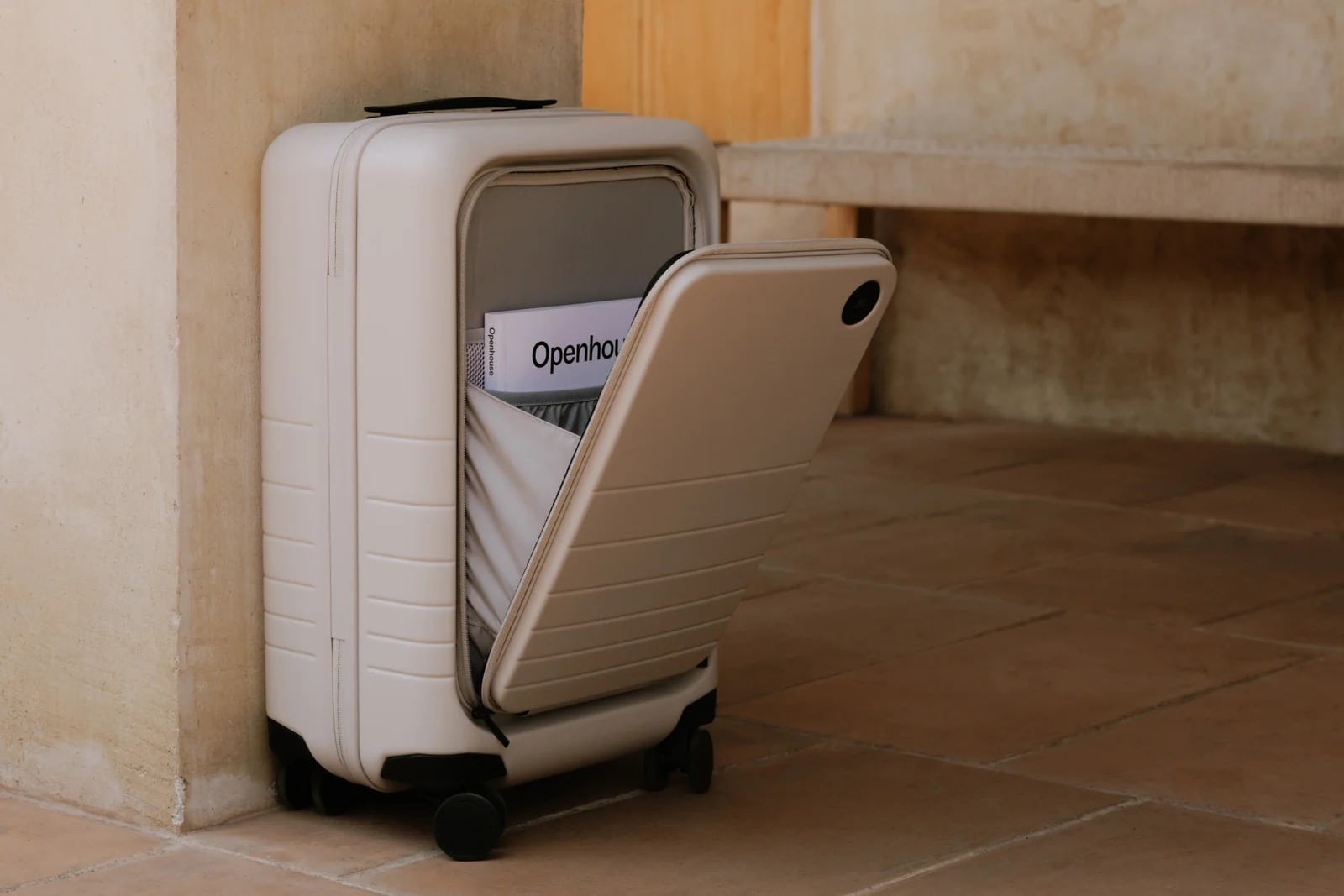
To measure a suitcase in linear inches, simply add its length, width, and height together. The catch is that you must include the wheels and any non-retractable handle in your height measurement, and measure the widest and deepest points for width and depth.
Understanding Linear Inches
When it comes to measuring the size of luggage or other travel essentials, you may come across the term "linear inches." Linear inches refer to the total sum of a bag's length, width, and height. It is an important measurement to consider, as many airlines have specific size restrictions for carry-on and checked bags based on linear inches.
To understand linear inches better, let's break it down. The height is measured from the bottom of the bag (including wheels) to the top (including any non-retractable handle), the width is measured side to side at the widest point, and the depth is measured front to back at the deepest point.
Linear inches are calculated by adding the length, width, and height together. For example, if a bag measures 22 inches in length, 14 inches in width, and 9 inches in height, the total linear inches would be 45 (22 + 14 + 9).
Why is understanding linear inches important? Airlines often have specific restrictions on the size of carry-on and checked bags based on linear inches. For carry-on bags, there is usually a limit on the total linear inches allowed to fit in the overhead compartments. For checked bags, there is typically a limit on both the linear inches and weight.
Knowing the linear inches of your luggage will help you determine if it meets the airline's requirements and if it can be brought on board as a carry-on or if it needs to be checked.
It's important to note that different airlines may have different size restrictions for both carry-on and checked bags. Before your trip, it's always a good idea to check the specific requirements of the airline you'll be flying with to ensure your luggage meets their guidelines. For instance, you may want to confirm how much can your suitcase weigh on Southwest if you are flying with them.
Additionally, understanding linear inches can also help you choose the right size of travel essentials such as backpacks, duffel bags, or any other items you plan to bring along on your trip. By considering the linear inches, you can ensure that your gear fits within the size limitations and avoid any last-minute surprises at the airport.
Now that we've covered the basics of linear inches, let's move on to the next section, where we'll discuss how to measure the length of your suitcase accurately. If you are concerned about whether your suitcase size fits under an airline seat, knowing the exact linear inches will help you make that determination.
Measuring the Length
When it comes to measuring your suitcase for airline restrictions, accuracy is key. Here’s a corrected step-by-step guide for measuring the longest side (length):
- Clear the area: Find a flat, spacious surface to lay your suitcase flat.
- Handle position: If your suitcase has an extendable handle that does not retract fully, include it in the height measurement; if it retracts fully, measure with it retracted.
- Zip up compartments: Ensure all zippers, pockets, and compartments are securely closed.
- Position the measuring tape: Place one end of the measuring tape at one corner of the longest side of the bag.
- Extend the measuring tape: Gently extend the tape along the longest side until you reach the opposite corner. Keep the tape straight, not twisted or kinked.
- Read the measurement: Note the measurement where the tape meets the opposite corner. This is the length of your suitcase.
For width, place one end of the measuring tape on one side of the suitcase at its widest point, aligning it with the edge. For height, place one end of the measuring tape at the bottom of the suitcase, including the wheels, aligning it with the base. Double-check each measurement to ensure your bag complies with airline regulations—for example, when checking how much can your suitcase weigh on Southwest or whether a suitcase size fits under an airline seat.
By following these precise steps, you can confidently measure the length, width, and height of your luggage. Accuracy here ensures you avoid surprises at the airport and helps you choose the right bag for your travel needs.
Measuring the Width
Measuring the width of your suitcase is the next step in accurately determining its overall size, particularly for calculating the linear inches. Follow these steps to measure the width of your suitcase:
- Place the suitcase on a flat surface: Find a stable and level area where you can lay your suitcase down.
- Ensure the suitcase is closed and secure: Zip up all compartments and pockets to get an accurate measurement of the width.
- Extend the measuring tape: Gently extend the measuring tape across the width of the suitcase until it reaches the opposite side. Make sure the tape is straight and not bent or twisted.
- Read the measurement: Look at the measurement where the tape aligns with the opposite edge of the suitcase. This number represents the width of your suitcase.
It's important to take the width measurement accurately to ensure the total linear inches calculation is correct.
Knowing the width is crucial because it, along with the length and height, contributes to the overall size and linear inches of your suitcase. It is an essential piece of information when determining whether your luggage meets the size restrictions set by airlines—for instance, checking if your suitcase size fits under an airline seat.
When measuring the width, be mindful of any protruding parts, such as handles, wheels, or side compartments. Include these elements in the measurement to get an accurate representation of the suitcase's overall width.
Now that we've covered how to measure the width accurately, let's move on to the final step in determining the overall size of your suitcase: measuring the height.
Measuring the Height
Measuring the height of your suitcase is the final step in determining its overall size and calculating the linear inches accurately. Follow these steps to measure the height of your suitcase:
- Place the suitcase upright: Stand your suitcase in an upright position on a flat surface.
- Extend the measuring tape: Gently extend the measuring tape vertically along the height of the suitcase until you reach the top. Make sure the tape is straight and not twisted or bent.
- Read the measurement: Look at the measurement where the tape aligns with the top of the suitcase. This number represents the height of your suitcase.
Obtaining an accurate measurement of the height is crucial for calculating the overall size and linear inches of your suitcase. By following these steps, you can be confident that you have the correct height measurement.
When measuring the height, remember to include any additional elements that contribute to the overall height, such as handles or telescopic rods. Also include the wheels in the measurement from the bottom.
Once you have measured the height, width, and depth of your suitcase, you can move on to the final step: calculating the linear inches.
Now that we have covered how to measure the height properly, we can proceed with calculating the linear inches in the next section.
Calculating the Linear Inches
Now that you have measured the height, width, and depth of your suitcase, you can calculate the linear inches. Calculating the linear inches is essential to ensure your luggage adheres to airline restrictions, both for carry-on and checked bags. Here's how to calculate the linear inches:
- Add up the measurements: Take the measurements you obtained for the height, width, and depth of your suitcase.
- Add the numbers together: Add the height, width, and depth measurements to get the total sum.
- Obtain the linear inches: The sum of the measurements is the linear inches of your suitcase.
For example, if the height of your suitcase is 24 inches, the width is 16 inches, and the depth is 10 inches, you would add 24 + 16 + 10, resulting in a total of 50 linear inches for your suitcase.
By knowing the linear inches of your suitcase, you can determine if it complies with the airline's requirements and whether it can be brought on board as a carry-on or needs to be checked. It's also helpful to check if your suitcase size fits under an airline seat.
Therefore, always check the specific requirements of the airline you'll be traveling with to ensure your luggage meets their guidelines.
Conclusion
Choosing the right travel essentials and accessories is crucial for a smooth travel experience. From suitcases and packing accessories to travel adapters and toiletry bags, having the right gear helps you stay organized.
In this article, we explored linear inches and how to measure your luggage accurately.
Remember to always check the specific size restrictions of the airline you'll be traveling with, as they may have different regulations for carry-on and checked bags. For example, you might need to verify how much your suitcase can weigh on Southwest or confirm your suitcase size fits under an airline seat.
Now that you're armed with this knowledge, you can embark on your next adventure with confidence.
Related travel guides: How To Fold Clothes Into A Suitcase.
