

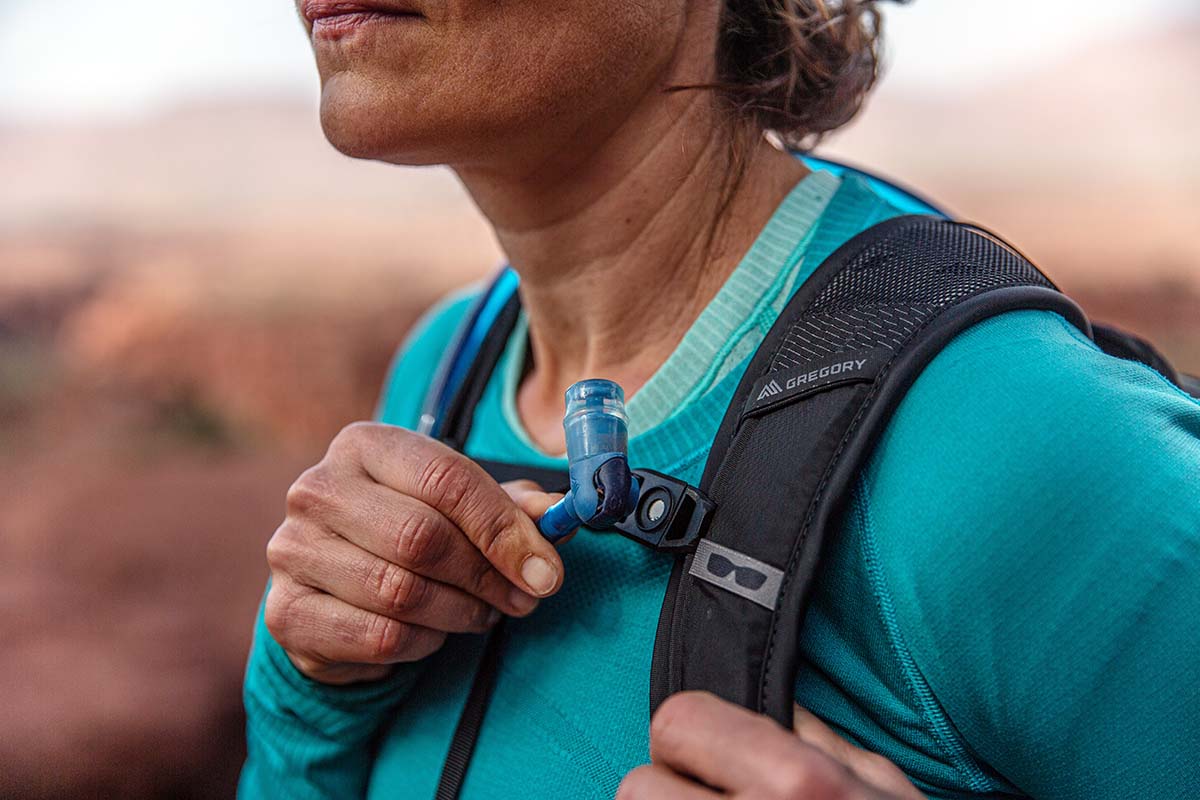
To install an Osprey hydration bladder in your backpack, unzip the hydration compartment, insert the bladder, route the hose through the designated port, and clip the tube to your shoulder strap. The only catch is that you must first check if your backpack has a dedicated hydration sleeve or closure mechanism, and if not, use the pack’s existing organizational features to keep the bladder in place. The Osprey Hydration Bladder comes in different sizes, such as 2-liter or 3-liter, but the installation steps remain the same.
Step 1: Gather the necessary tools and supplies
Before installing the Osprey Hydration Bladder in your backpack, gather these items to ensure a smooth process:
- Osprey Hydration Bladder: Ensure you have the appropriate size for your backpack.
- Osprey Backpack: Make sure your backpack is compatible with a hydration bladder.
- Hydration Tube: The bladder comes with a tube; you may need a replacement or additional one.
- Backpack Tool Kit (optional): Some packs include attachments for securing the bladder.
- Water: Fill the bladder to test for leaks during installation.
Once gathered, check if your backpack has features specifically designed to secure the bladder inside the hydration compartment. The compartment may have a closure mechanism to secure the bladder in place. You can use the designated hose clip or strap provided by your backpack to secure the tube along the shoulder straps.
Step 2: Prepare the Osprey Hydration Bladder
Before inserting the Osprey Hydration Bladder into your backpack, prepare it properly. Follow these steps to ensure it is clean and ready for installation:
- Rinse the bladder with warm water to remove any dirt or debris from storage.
- Fill the bladder with warm water and add a mild cleaning solution, such as dish soap or a specialized hydration bladder cleaner. Shake gently to reach all areas.
- Use a long, flexible brush or a hydration bladder cleaning kit to scrub the interior, paying close attention to the tube and mouthpiece.
- Rinse thoroughly with clean water to remove any soap residue.
- Turn the bladder upside down and hang it in a well-ventilated area until all parts are fully dry before proceeding with installation.
By properly preparing the Osprey Hydration Bladder, you ensure it is clean, free from residue, and ready to provide fresh drinking water during your outdoor adventures.
Step 3: Locate the hydration bladder compartment in your backpack
Before you can insert the Osprey Hydration Bladder into your backpack, you need to locate the hydration bladder compartment. This compartment is designed to securely hold the bladder and keep it in place during your activities. Follow these steps to find the hydration bladder compartment in your Osprey backpack:
- First, unzip or open your backpack completely.
- Look for a separate compartment specifically designed to hold a hydration bladder. It is usually located on the back panel of the backpack.
- The compartment may have a closure mechanism to secure the bladder in place.
- Some backpacks have a designated sleeve or pocket with a hole or port for the hydration tube to pass through.
- If you are having trouble locating the bladder compartment, refer to the instruction manual that came with your backpack. It will provide specific guidance on where the compartment is located.
Once you have located the hydration bladder compartment, you are now ready to insert the Osprey Hydration Bladder into your backpack.
Step 4: Insert the Osprey Hydration Bladder into the compartment
Now that you have located the hydration bladder compartment, insert the Osprey Hydration Bladder by following these steps:
- Ensure the bladder is empty before inserting it to prevent spills and make maneuvering easier.
- Starting at the bottom of the compartment, slide the bladder inside. Position it upright and flat against the back panel of the backpack.
- Align the hose opening with the designated port or sleeve in the backpack so the tube can pass through.
- Double-check that the bladder is inserted securely and doesn't protrude into other compartments for optimal weight distribution.
- Close the hydration compartment using the closure mechanism present on your backpack.
By following these steps, you have successfully inserted the Osprey Hydration Bladder into the dedicated compartment. The bladder should now be securely in place and ready for use.
Step 5: Secure the hydration bladder in place
Now that you have inserted the Osprey Hydration Bladder into the compartment, it's important to ensure it is securely fastened to avoid shifting while on the move. Follow these steps:
- Check if your backpack has features specifically designed to secure the bladder inside the hydration compartment.
- Adjust any securing features to fit the size of your hydration bladder. Make sure they are tight enough to keep the bladder in place, but not so tight that they put excessive pressure on the bladder.
- If your backpack doesn't have dedicated securing features, use the existing organizational features of your backpack to keep the bladder in place.
- Ensure that the hydration tube is easily accessible and doesn't obstruct your movement. You can use the designated hose clip or strap provided by your backpack to secure the tube along the shoulder straps.
- Double-check that all the closures and fasteners in the hydration compartment are properly secured to prevent accidental spills or leaks.
By following these steps, you have successfully secured the Osprey Hydration Bladder in place inside your backpack. This ensures your hydration system remains stable and accessible throughout your outdoor activities.
Step 6: Connect the tube to the bladder
With the Osprey Hydration Bladder securely in place, connect the hydration tube to the bladder. Follow these steps:
- Locate the hose opening on the hydration bladder, usually on the top or side near the fill opening.
- Inspect the end of the hydration tube to ensure it is clean and free from blockages or debris.
- Insert the end of the hydration tube into the hose opening. Push it in firmly until you feel it securely connected.
- Check for any signs of leakage or loose connections. Adjust or tighten the connection to ensure it is watertight.
- If your hydration tube has a bite valve, test its functionality by biting down gently on the valve and sucking. You should be able to draw water from the bladder.
- Inspect the tube and make sure it is not twisted or tangled. Adjust it if necessary to ensure a smooth flow of water.
Step 7: Test for leaks and functionality
Before heading out, test the Osprey Hydration Bladder for leaks or functionality issues:
- Fill the bladder with water to the desired level.
- Turn the bladder upside down to simulate jostling during activities.
- Observe the hose connection and bite valve for leakage; check that connections are secure.
- Suck gently on the bite valve to verify a steady flow of water with no obstructions.
- If you notice leaks, identify and address the source—tighten connections, or clean or replace the bite valve.
- Once confident in functionality, detach the bite valve and drain the water.
- Wipe down the bladder and tube with a clean cloth to dry them before storing.
Conclusion
Installing the Osprey Hydration Bladder in your backpack is a straightforward process. Connect the hydration tube and test the system for any leaks or functionality issues before your adventure. Regular maintenance and cleaning ensure long-lasting functionality.
Related travel guides: How To Fit Osprey Backpack, How To Break In A Backpack, and 10 Best Sprayground Backpack for 2024.
