

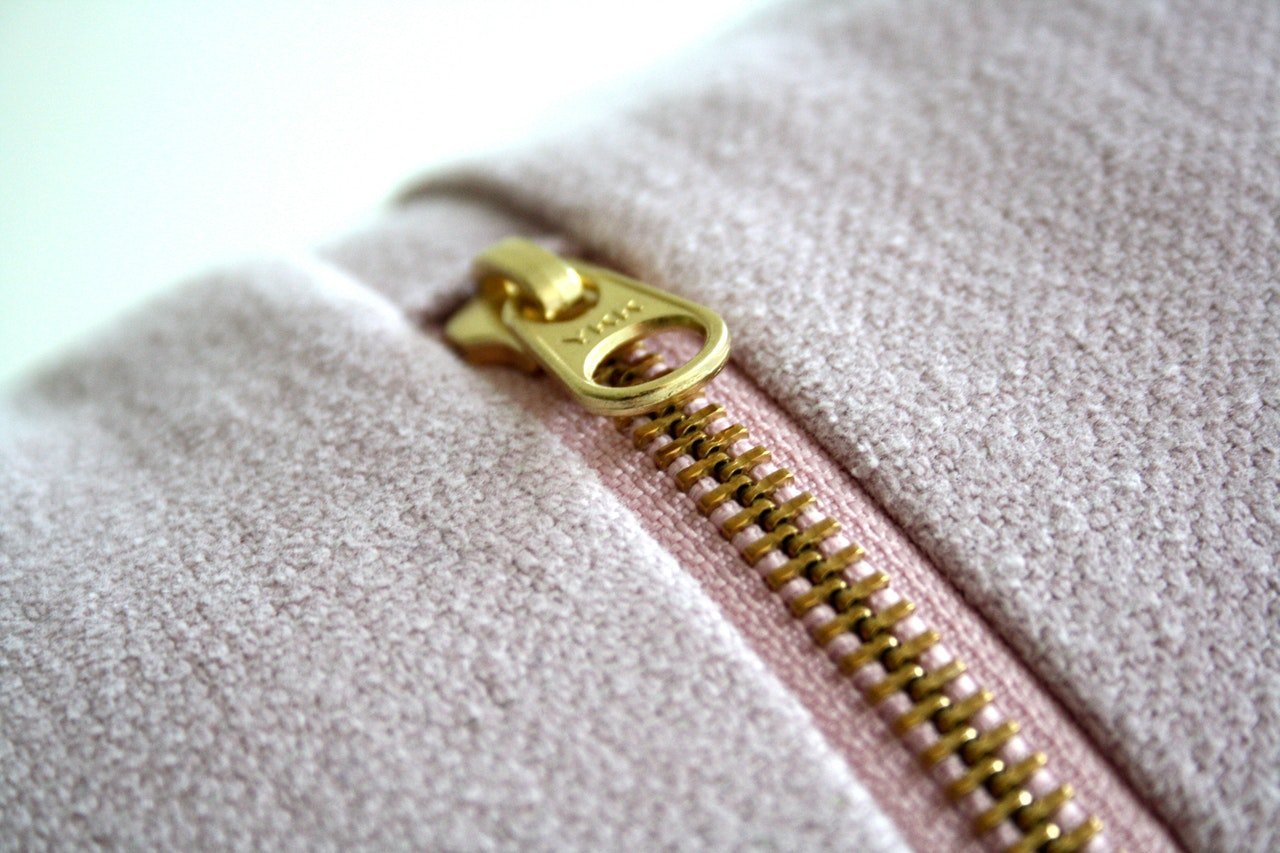
To fix a zipper that separates on a backpack, tighten the slider with needle-nose pliers or rethread the teeth through the slider. The fix is free if you have pliers, but may require a replacement slider if the teeth are damaged or misaligned. Gently squeeze the slider a little at a time, testing after each small adjustment, or carefully rethread the teeth so both sides mesh evenly again. You can also insert a paperclip or safety pin through the zipper tape to act as a temporary stop.
Reasons why a zipper separates on a backpack
There are several reasons why a zipper may separate on a backpack. Understanding these reasons can help you prevent the issue from happening in the future. Here are the most common causes:
- Normal wear and tear: Over time, constant use of a backpack's zipper can cause it to become misaligned or damaged. This is especially true if you frequently overstuff your backpack or if it undergoes rigorous use during outdoor activities. The teeth may become worn or the slider may become loose, leading to the zipper separating.
- Foreign object obstruction: A zipper may separate if a foreign object gets stuck in the zipper tracks, preventing full closure or misaligning the teeth. Common culprits include fabric threads, lint, dirt, or small pieces of paper. These obstructions disrupt the smooth movement of the zipper.
- Improper alignment: Sometimes a zipper separates because it was not properly aligned when closed, which can happen if you rush or if the teeth are already misaligned. When alignment is off, even a small amount of pressure can cause the zipper to pop open.
- Damaged teeth or slider: If the teeth or slider mechanism are damaged, they may not hold together properly, resulting in separation. Teeth can become bent or twisted, preventing secure interlocking. A worn-out or broken slider can also cause the zipper to open unexpectedly.
By understanding these common reasons, you can take proactive steps to prevent the issue. Regular maintenance and proper usage of your backpack go a long way in preserving zipper functionality. For example, knowing how to properly pack can help you avoid overstuffing, much like knowing how much can your suitcase weigh on Southwest helps you avoid airline fees.
Materials needed for fixing a zipper
Before you start fixing a zipper that separates on your backpack, gather the necessary materials. Having these items on hand will make the repair process smoother.
- Needle-nose pliers: Use needle-nose pliers to gently squeeze the slider a little at a time, testing after each small adjustment.
- Paperclip or safety pin: A paperclip or safety pin can be used as a makeshift zipper stop. Insert the paperclip or safety pin through the zipper tape or a hole near the end of the zipper to act as a temporary stop.
- Thread and needle: If the zipper teeth are damaged or misaligned, you may need to rethread the teeth through the slider or replace the slider. Carefully rethread the teeth through the slider so both sides mesh evenly again.
- Zipper lubricant: In some cases, a zipper may separate due to friction or lack of smooth movement. Applying a zipper lubricant, such as beeswax or silicone-based lubricant, can help loosen stuck parts and improve functionality.
- Zipper repair kit (optional): If you frequently encounter zipper issues, investing in a zipper repair kit can be beneficial. These kits typically include replacement parts such as sliders, zipper pulls, and stops, along with tools for installation.
Having these materials ready will ensure you can fix a separating zipper on your backpack effectively. Now that you have gathered the necessary tools, let's explore the different methods to fix a zipper in the next sections.
Method 1: Using a paperclip or safety pin
If your zipper is separating on your backpack, one quick and easy temporary fix is to use a paperclip or safety pin as a makeshift zipper stop. This method can effectively hold the zipper in place, preventing it from opening further. Here's how to do it:
- Locate the zipper stop: The zipper stop is the metal or plastic piece located at the end of the zipper tape. It prevents the slider from completely detaching from the zipper chain. Identify where the zipper stop is on your backpack.
- This will prevent the zipper slider from going beyond that point and separating further. Make sure the paperclip or safety pin is firmly in place.
- Test the zipper: Gently pull on the zipper to see if the paperclip or safety pin is holding it in place. If it does, the zipper should no longer separate. If it still separates, try adjusting the position of the paperclip or safety pin to provide a tighter barrier.
- Use with caution: While this method is a quick fix, it is not a permanent solution. It is recommended to use it as a temporary measure until you can properly repair or replace the zipper.
Using a paperclip or safety pin as a zipper stop can buy you some time while you're on the go. However, keep in mind that it's important to address the underlying issue and fix the zipper properly to ensure its long-term functionality. Using a pair of pliers, gently squeeze the slider a little at a time, testing after each small adjustment. Let's explore more methods for fixing a separating zipper on your backpack in the following sections.
Method 2: Using pliers or tweezers
If the zipper on your backpack keeps separating, you can try using a pair of pliers or tweezers to fix the issue. This method requires a bit more precision and patience, but it can be an effective solution. Here's how to do it:
- Inspect the zipper: Examine the zipper carefully to identify any misaligned or damaged teeth. Look for any foreign objects like fabric threads or dirt that might be obstructing the smooth movement of the zipper.
- Be careful not to apply too much force, as it may damage the slider further.
- Remove obstructions: If you notice any fabric threads, dirt, or other debris stuck in the zipper tracks, carefully remove them using the pliers or tweezers. Take your time and ensure that the zipper is clean and free from any obstructions that could cause it to separate.
- Test the zipper: After adjusting the slider and removing any obstructions, test the zipper to see if it still separates. Slowly and gently open and close the zipper to check its functionality. If the zipper no longer separates, you have successfully fixed it using pliers or tweezers.
- Apply lubricant (optional): If the zipper still feels a bit stiff or rough, you can apply a small amount of zipper lubricant to improve its movement. This can help reduce friction and prevent future issues.
Using pliers or tweezers is a handy method for adjusting the slider and removing any obstructions. However, it's important to be gentle and patient throughout the process to avoid further damage. If this method doesn't fully resolve the issue, don't worry, as there are other methods to try. Let's move on to the next method for fixing a separating zipper on your backpack.
Method 3: Using a needle and thread
If your backpack zipper is still separating after trying the previous methods, you may need to rethread the teeth through the slider or replace the slider. This method is best suited for cases where the teeth are damaged or misaligned, and other solutions haven't been effective. Here's a step-by-step guide:
- Identify the damaged area: Inspect the zipper carefully to locate the damaged or misaligned teeth. Determine the extent of the damage.
- Gather a needle and matching thread: Choose a needle with a fine point that can easily pass through the zipper tape and teeth. Select a thread color that matches your backpack to make the repair less noticeable.
- Start sewing at the bottom: Begin sewing at the bottom of the damaged area. Insert the needle through the zipper tape or a hole near the end of the zipper to act as a temporary stop, and take a small stitch to secure the thread in place.
- Use small, even stitches to secure the teeth and ensure proper alignment. Take your time and maintain a steady hand to create a neat and strong repair.
- Finish the repair: Once you've stitched through all the damaged teeth, secure the thread with a knot at the bottom of the zipper tape. Trim any excess thread and test the zipper to ensure it no longer separates.
- Apply zipper lubricant (optional): To further improve the zipper's performance, you can apply a small amount of zipper lubricant to the repaired area. This will help reduce friction and ensure smoother movement.
Using a needle and thread to rethread the zipper teeth can provide a more permanent solution for a separating zipper. However, it does require some sewing skills and patience. If you're not confident in your sewing abilities, it's best to consult a professional or consider the next method, which involves using a zipper repair kit. Let's explore that option next.
Method 4: Using a zipper repair kit
If you're dealing with a zipper that keeps separating on your backpack and the previous methods haven't worked, using a zipper repair kit can be the next best option. These kits come with various replacement parts and tools specifically designed for zipper repair. Here's how to use a zipper repair kit to fix a separating zipper:
- Purchase a zipper repair kit: Look for a zipper repair kit that is suitable for your backpack's zipper type and size. These kits typically include replacement sliders, zipper pulls, stops, and sometimes even a thread and needle.
- Follow the instructions: Each zipper repair kit may have slightly different instructions, so it's important to carefully read and follow the provided instructions. They will guide you on how to remove the old slider, attach the new one, and replace any other necessary components.
- Prepare the zipper: Use the kit's tools to remove the old slider and any damaged or worn-out components. Make sure to clean the zipper tracks of any debris or obstructions that may hinder the new slider's movement.
- Attach the replacement slider: Following the kit's instructions, attach the new slider onto the zipper teeth. Take your time and ensure that the slider is aligned properly with the teeth for smooth operation.
- Replace other components (if necessary): If the zipper pulls, stops, or any other components are damaged, take this opportunity to replace them with the new ones provided in the kit. This will ensure the overall functionality and durability of the zipper.
- Test the repaired zipper: Once you have completed the repair process, test the zipper by opening and closing it a few times. Ensure that it no longer separates and that it moves smoothly along the tracks.
Using a zipper repair kit gives you a more comprehensive solution for fixing a separating zipper. It provides the necessary tools and replacement parts to ensure a reliable and long-lasting repair. Keep in mind that some repair kits may require basic sewing skills, so if you're not confident in your abilities, seeking professional help is always an option. Let's move on to some tips for preventing zipper separation in the future.
Tips for preventing zipper separation in the future
Dealing with a separating zipper on your backpack can be frustrating, but there are steps you can take to prevent this issue from happening in the future. By practicing proper maintenance and usage, you can extend the lifespan of your backpack's zipper and avoid unexpected zipper mishaps. Here are some tips to help you prevent zipper separation:
- Avoid overstuffing: Avoid overloading your backpack beyond its capacity. Overstuffing can put strain on the zipper and cause it to separate. Be mindful of the weight and volume of items you pack to ensure the zipper doesn't undergo unnecessary stress.
- Handle the zipper with care: Be gentle when opening and closing the zipper. Tugging or yanking on it can damage the teeth and lead to separation. Use a smooth and controlled motion to extend the life of the zipper.
- Regularly clean the zipper: Keep your backpack's zipper clean and free of debris. Regularly check for any fabric threads, dirt, or other particles that may get trapped in the zipper tracks. Use a soft brush or cloth to gently remove any obstructions.
- Apply zipper lubricant: Periodically apply a small amount of zipper lubricant to keep the zipper running smoothly. This will help reduce friction and prevent the teeth from becoming misaligned or damaged.
- Repair minor issues promptly: If you notice any minor issues with the zipper, such as a loose slider or misaligned teeth, address them promptly. If the teeth are damaged or misaligned, carefully rethread the teeth through the slider so both sides mesh evenly again. Fixing small problems early on can prevent them from escalating into major zipper separation issues.
- Invest in quality zippers: When purchasing a backpack, choose one with high-quality zippers. Look for durable materials and reputable brands that are known for their sturdy zipper construction. Quality zippers are less likely to separate or malfunction.
- Consider a backpack with two zippers: Some backpacks feature two zippers that meet at a central point. This design can distribute the stress and weight evenly, reducing the likelihood of zipper separation. Consider opting for a backpack with this feature if you frequently encounter zipper issues.
By implementing these preventative measures, you can significantly reduce the chances of your backpack's zipper separating. Remember, proper care and attention can go a long way in maintaining the functionality and longevity of your backpack's zipper. Now, let's wrap up this article.
Conclusion
Dealing with a separating zipper on your backpack can be frustrating, but you can easily fix it. To realign misaligned teeth, use a pair of pliers to gently squeeze the slider a little at a time, testing after each small adjustment.
Prevent future separation by avoiding overstuffing your backpack, handling the zipper with care, regularly cleaning it, and applying lubricant when necessary. Investing in a backpack with quality zippers or a design with two zippers can also help reduce risk.
By following these techniques, you can ensure your backpack's zipper remains reliable. Don't let a separating zipper dampen your adventure – tackle the issue and get back to enjoying your journey.
Related travel guides: How To Install Cup Holder 1993 Gmc Truck and How To Fix A Stuck Suitcase Handle.
