

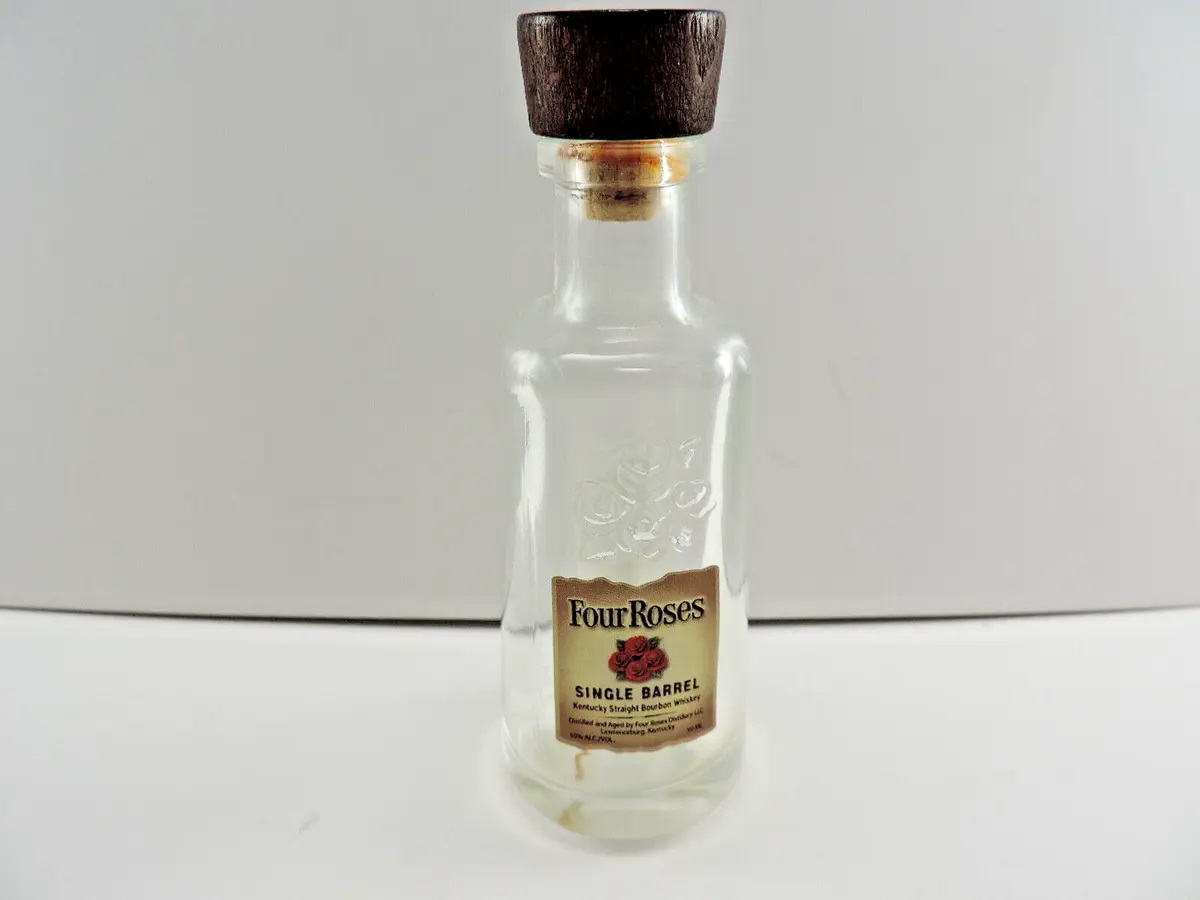
A shooter bottle holds 1.7 US fluid ounces. That is the standard 50 mL size, though a few specialty bottles may vary slightly.
These compact bottles are ideal for parties, gatherings, and travel. Their size makes them a convenient option for sampling different spirits without committing to a full-sized bottle. They are also popular as gifts and party favors. For travelers, understanding the size of a shooter bottle can be useful when considering how much space is left in a suitcase, or whether a bottle might fit in a carry-on. It is worth checking if your suitcase size fits under an airline seat before packing glass bottles.
Definition of a Shooter Bottle
A shooter bottle, also commonly referred to as a shot bottle or mini bottle, is a small container specifically designed to hold a single serving of alcoholic spirits or liquor. These bottles are characterized by their compact and portable size, making them ideal for parties, gatherings, or other social events.
Shooter bottles are typically made of glass, although some are also available in plastic or metal. They are designed to be easily held and consumed in one swift motion, delivering a concentrated burst of flavor and alcohol. These miniature bottles are commonly seen in bars, clubs, and even airplanes, where they are used to serve shots or mixed drinks.
One of the defining features of a shooter bottle is its smaller size compared to standard liquor bottles. While a standard liquor bottle can hold anywhere from 750ml to 1.75 liters (25 to 59 fluid ounces) of liquid, a shooter bottle is commonly the 50 mL mini bottle, which is about 1.7 US fluid ounces.
The small size of shooter bottles makes them versatile and allows for easy experimentation and sampling of different spirits and flavors. It also provides the opportunity to create visually appealing layered shots or incorporate them into more complex mixed drinks.
Shooter bottles often come with tamper-evident seals to ensure the integrity of the contents. This helps maintain the quality and freshness of the liquor until it is ready to be consumed. Additionally, many shooter bottles feature narrow necks and pour spouts, allowing for precise and controlled pouring.
It's important to note that while shooter bottles primarily hold alcoholic spirits, they can also be used for non-alcoholic beverages such as flavored syrups, oils, or extracts. This versatility makes them a valuable tool in the kitchen for adding a quick dash of flavor to your culinary creations.
In summary, shooter bottles are small, portable containers designed to hold a single serving of alcoholic spirits or other liquids. Their compact size, tamper-evident seals, and controlled pour spouts make them a practical and convenient accessory for both professional bartenders and cocktail enthusiasts alike.
Standard Size of a Shooter Bottle
The standard size of a shooter bottle is commonly 50 mL, which is about 1.7 US fluid ounces. This smaller size allows for a single serving of a specific spirit or liquor, making it perfect for enjoying shots or incorporating into mixed drinks.
The decision to use a smaller size for shooter bottles is strategic. It offers a convenient way to sample different types of spirits without committing to purchasing a full-sized bottle. This is especially useful when you want to experiment with new flavors or when hosting a gathering where guests may have different preferences.
While the standard size of shooter bottles remains consistent, it's important to note that there can be variations in the shape and design of the bottles themselves. Some shooter bottles may have a more slender, elongated shape, while others may be shorter and wider. These variations in design can be attributed to the specific branding or marketing choices of different spirits and liquor brands.
When it comes to the material used for shooter bottles, glass is the most common choice due to its durability and ability to preserve the flavor and quality of the alcohol. However, plastic shooter bottles are also available and are often used in situations where glass may not be suitable, such as outdoor events or venues with strict safety regulations.
It's worth mentioning that while the standard size of a shooter bottle is smaller compared to a standard liquor bottle, some brands offer oversized shooter bottles that can hold slightly more liquid. These larger shooter bottles are still within the shooter bottle category but provide a bit more flexibility in terms of serving size.
It's important to keep in mind that the standard size of a shooter bottle may vary slightly across different countries or regions. This is particularly true when it comes to metric measurements, where the volumes may be rounded to the nearest milliliter or fluid ounce.
This compact size allows for easy sampling, experimentation, and enjoyment of various spirits and liquors, making shooter bottles a popular choice among bartenders and cocktail enthusiasts alike.
Fluid Ounce Measurement
The fluid ounce (abbreviated as fl oz) is a unit of volume measurement commonly used in the United States to quantify the amount of liquid in a container, including shooter bottles. It is important to understand fluid ounce measurement when it comes to shooter bottles, as it determines the amount of liquid they can hold.
In the United States, a fluid ounce is equal to approximately 29.6 milliliters (ml). This means that a standard shooter bottle, which commonly holds 50 mL of liquid, equates to approximately 1.7 US fluid ounces.
Fluid ounce measurements can vary slightly depending on the country or region. For example, in the United Kingdom, a fluid ounce is equivalent to about 28.4 milliliters, while in Australia, it is equal to 30 milliliters. These slight variations should be taken into account when dealing with international standards.
It is worth noting that fluid ounces are different from weight ounces (oz). Fluid ounces measure volume, while weight ounces measure mass. This means that the fluid ounce measurement is specifically used to determine the volume or capacity of a container, such as a shooter bottle, rather than the weight of its contents.
When selecting shooter bottles or using recipes that call for specific volumes in fluid ounces, it is important to ensure accurate measurement for precise and consistent results. Using a liquid measuring cup or a jigger with fluid ounce markings can help ensure accurate pouring and precise volume measurement.
Fluid ounce measurement is crucial in determining the appropriate serving size for shooter bottles. It allows bartenders and enthusiasts to create balanced and consistent cocktails, shots, or mixed drinks. It also assists in portion control when serving individual shots or when following specific recipes that require precise measurements of spirits and mixers.
By understanding fluid ounce measurement and its relationship to shooter bottles, you can confidently navigate the world of mixology, create delicious concoctions, and ensure a memorable drinking experience for yourself and others.
Conversions for Shooter Bottles
Converting between different units of measurement is important when it comes to shooter bottles, especially if you are using recipes or dealing with international standards. Here are some common conversions to help you navigate the world of shooter bottles:
- 1 fluid ounce (fl oz) is approximately equal to 29.6 milliliters (ml). This is the standard conversion used in the United States.
- 1 fluid ounce (fl oz) is approximately equal to 28.4 milliliters (ml) in the United Kingdom. Keep in mind this conversion may vary slightly depending on the region.
- 1 fluid ounce (fl oz) is approximately equal to 30 milliliters (ml) in Australia. Again, note that slight variations may exist.
- To convert fluid ounces to milliliters, multiply the number of fluid ounces by 29.6 (or the appropriate conversion factor based on the country's standard).
- To convert milliliters to fluid ounces, divide the number of milliliters by 29.6 (or the corresponding conversion factor).
- For example, if a recipe calls for 1.5 fluid ounces of a particular spirit and you need to convert it to milliliters, you would multiply 1.5 by 29.6, which equals 44.4 milliliters.
By understanding these conversions, you can accurately measure and pour the desired amount of liquid into shooter bottles, ensuring consistent results and maintaining the integrity of your recipes.
It's worth noting that when dealing with conversions, it is always a good idea to use a kitchen scale or measuring tools that provide precise measurements to ensure accuracy. This is particularly important when working with smaller volumes like those in shooter bottles.
Having a clear understanding of conversions for shooter bottles allows you to confidently follow recipes, experiment with different flavors and spirits, and create delicious drinks with ease. If you are traveling with shooter bottles, be sure to check how much your suitcase can weigh on Southwest to avoid extra fees.
Popular Uses of Shooter Bottles
Shooter bottles are versatile and can be used in various ways, making them a popular choice in the world of mixology. Let's explore some of the popular uses of shooter bottles:
- Shots: One of the most common and obvious uses of shooter bottles is to serve shots. These small bottles provide a convenient way to enjoy a quick and concentrated burst of flavor. Whether it's a classic shot of tequila or a creative combination of spirits, shooter bottles make it easy to serve and enjoy individual shots.
- Layered Shots: Shooter bottles are often used to create visually appealing layered shots. By pouring different colored or flavored liquors carefully, one on top of another, you can create beautiful layers that add an element of excitement and presentation to your shots.
- Mixed Drinks: Shooter bottles are also frequently incorporated into mixed drinks and cocktails. Bartenders can use them to measure out specific amounts of spirits or mixers, allowing for precise and consistent drink recipes. They can also be added as garnishes or used to deliver a concentrated burst of flavor to enhance the overall taste of the drink.
- Tastings and Sampling: With their smaller size, shooter bottles are perfect for tastings and sampling events. Bartenders or enthusiasts can offer a variety of different spirits or flavors in shooter bottles, allowing guests to try different options without consuming large quantities.
- Party Favors and Gifts: Shooter bottles make great party favors or gifts for special occasions. They can be personalized, decorated, or filled with unique spirits, allowing guests to take home a memento of the event. They are also great for gift baskets or as part of a cocktail-themed gift set.
- Culinary Uses: Shooter bottles aren't just limited to alcoholic beverages. They can also be used for non-alcoholic culinary purposes. Shooter bottles can hold flavored syrups, oils, extracts, or even homemade sauces, allowing for easy and precise dispensing in the kitchen.
Shooter bottles offer a wide range of possibilities for both professional bartenders and cocktail enthusiasts. Their small size, convenience, and versatility make them a valuable accessory in creating unique, flavorful, and visually stunning drinks.
Whether you're looking to enjoy a single shot, experiment with mixed drinks, or add a touch of creativity to your bartending skills, shooter bottles are a fantastic addition to any bar setup or home cocktail station.
Conclusion
Shooter bottles are indispensable in the world of mixology and are widely used by bartenders, cocktail enthusiasts, and party hosts alike. Their compact size and versatility make them perfect for a variety of applications, from serving shots and creating layered drinks to enhancing mixed cocktails and offering unique tasting experiences.
Whether you're looking to sample different spirits, create visually stunning shots, or add precise measurements to your mixed drinks, shooter bottles are the perfect solution.
Consider adding shooter bottles to your bar setup or home cocktail station to elevate your mixology skills and create memorable drinking experiences. With their convenience and portability, shooter bottles are an essential tool in the arsenal of any cocktail connoisseur.
