

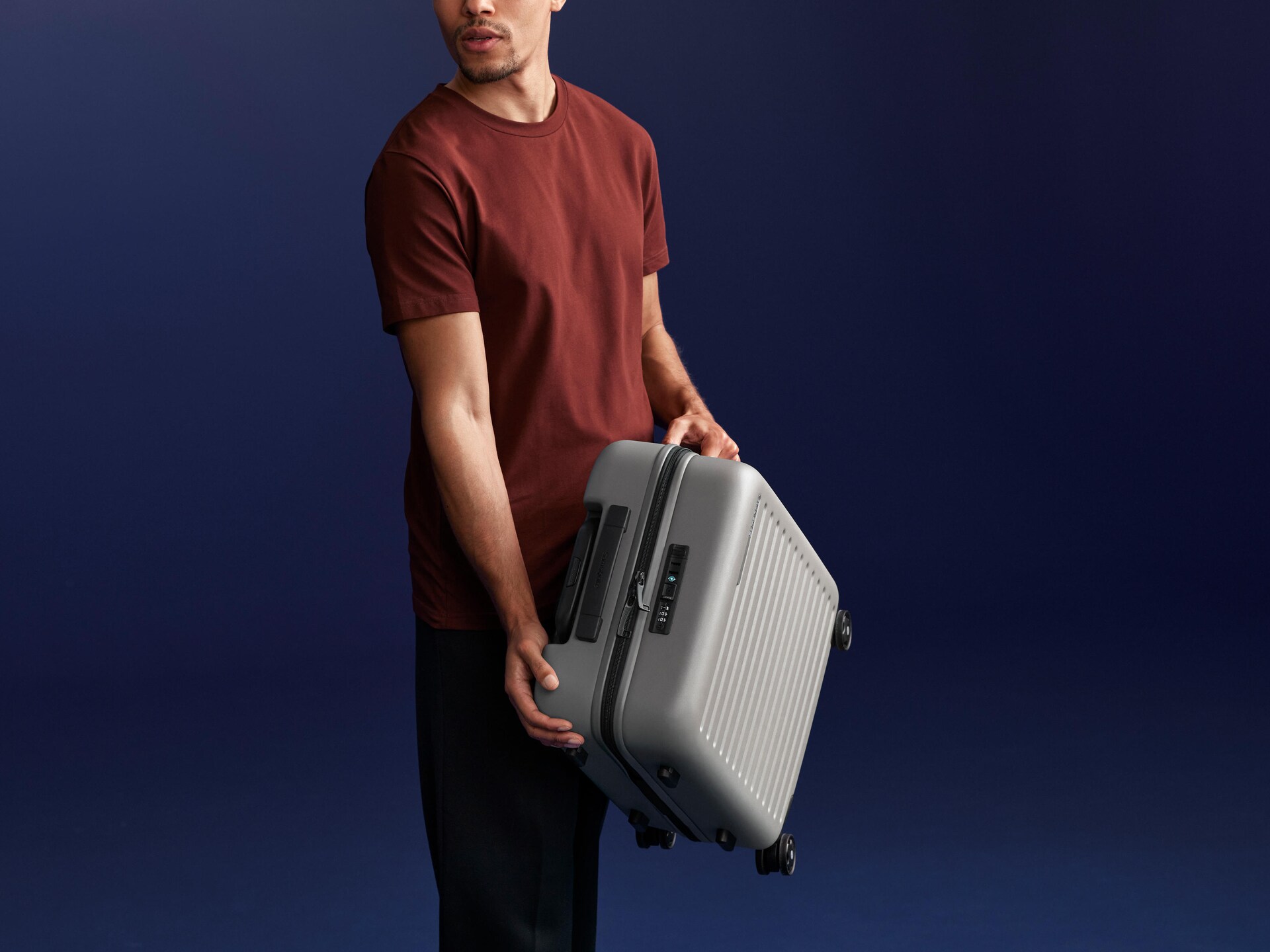
A carry-on suitcase typically holds between 20 and 45 liters. However, the exact number depends on the airline, as most enforce a maximum dimension of 22" x 14" x 9" (55 cm x 35 cm x 20 cm), and exceeding that limit can mean extra fees or forced check-in. Small suitcases offer about 20-25 liters, medium ones 25-35 liters, and large ones 35-45 liters.
Dimensions and Capacity of Carry-On Suitcases
Carry-on suitcases come in various sizes and dimensions, and understanding these measurements is crucial when shopping for the perfect travel companion. While dimensions may vary slightly between manufacturers and models, most airlines have specific guidelines for carry-on luggage that you need to adhere to.
The dimensions of a carry-on suitcase typically refer to its length, width, and height, usually given in inches or centimeters. For example, a common carry-on suitcase size might be listed as 22" x 14" x 9" (or 55 cm x 35 cm x 20 cm), which represents the maximum length, width, and height respectively.
Different airlines may have slightly different requirements for carry-on luggage dimensions. Some may allow slightly larger or smaller sizes, so it's always a good idea to check with your specific airline before purchasing a carry-on suitcase.
Along with dimensions, the capacity or volume of a carry-on suitcase is an important consideration. This is where the liters measurement comes into play. Liters represent the amount of space a suitcase can hold.
Small carry-on suitcases are ideal for short trips or for those who prefer to travel light. These suitcases provide a capacity of approximately 20-25 liters.
Medium-sized carry-on suitcases strike a balance between compactness and capacity. They offer a capacity of approximately 25-35 liters.
Large carry-on suitcases are perfect for longer trips or for those who need to pack more items. They provide a capacity of approximately 35-45 liters.
It's important to strike a balance between size and capacity. While more liters may seem enticing, airlines have weight restrictions for carry-on luggage as well. Ensure your suitcase doesn't exceed the weight limit set by your airline, as you may be required to check it in or face additional fees.
Understanding the dimensions and capacity of carry-on suitcases is vital to ensure your luggage meets airline requirements and suits your travel needs. In the next section, we will delve deeper into the concept of liters and how they are relevant when it comes to carry-on suitcases.
Understanding Liters as a Measurement
When it comes to measuring the capacity of carry-on suitcases, liters are a commonly used unit of measurement. While inches or centimeters define the dimensions of the suitcase, liters measure the volume or capacity it can hold.
Liters are a unit of measurement used to quantify the space inside an object. They represent the volume of a substance or, in this case, the available space inside a carry-on suitcase. One liter is equal to 1,000 cubic centimeters or 0.001 cubic meters.
Understanding liters as a measurement can help you determine how much you can pack in your carry-on suitcase and whether it meets the requirements set by your airline. Most airlines have specific limits on both the dimensions and weight of carry-on luggage, and some also have restrictions on the maximum volume or liters allowed.
By knowing the liters measurement of your carry-on suitcase, you can ensure that it complies with the regulations and avoid any unpleasant surprises at the airport. It also allows you to plan and organize your packing more effectively, ensuring you have enough room for your travel essentials.
When considering the liters measurement, it's important to keep in mind that the actual usable space inside the suitcase may be slightly less than the stated capacity. This is due to the presence of pockets, compartments, and handles that may occupy some space.
It's also worth noting that the liters measurement alone may not provide a complete picture of the carry-on suitcase's suitability for your needs. Other factors such as the layout of compartments, expandability features, and overall design can also impact how effectively you can utilize the available space.
Now that we have an understanding of liters as a measurement, let's explore popular carry-on suitcase sizes and their corresponding liters in the next section.
Popular Carry-On Suitcase Sizes and Their Liters
Carry-on suitcases come in various sizes, each with its own corresponding liters measurement. Understanding the popular sizes and their capacity can help you make an informed decision when choosing a carry-on suitcase.
1. They offer enough space for a few outfits, toiletries, and other essentials.
2. Medium Carry-On (Approximately 25-35 Liters): Medium-sized carry-on suitcases strike a balance between compactness and capacity. These suitcases can accommodate a few more clothing items, shoes, and additional travel accessories.
3. These suitcases have ample space to fit multiple outfits, shoes, toiletries, gadgets, and other travel essentials.
It's important to note that these are general guidelines, and the exact liters measurement may vary between different brands and models. However, these size categories are commonly recognized in the travel industry.
When choosing a carry-on suitcase, consider the duration and purpose of your trip, as well as your personal packing preferences. If you tend to pack light, a small carry-on may be sufficient, while if you require more space for a longer trip, a larger carry-on suitcase may be necessary. Also check if your suitcase size fits under an airline seat, as budget carriers often have stricter limits.
Remember, while having more liters may offer more packing capacity, it's crucial to ensure that your carry-on still falls within the weight restrictions imposed by your airline.
Next, let's explore the factors that can affect the liters measurement in a carry-on suitcase.
Factors Affecting the Liters in a Carry-On Suitcase
The liters measurement of a carry-on suitcase is influenced by various factors that affect its capacity and overall volume. Understanding these factors can help you make an informed decision when selecting a carry-on suitcase that best suits your travel needs.
1. Design and Construction: The design and construction of a carry-on suitcase can impact its liters measurement. The presence of multiple compartments, pockets, and expansion features can affect the usable space inside the suitcase. Suitcases with more compartments and pockets may have slightly less overall liters capacity due to the structural elements that occupy space.
2. Frame and Shell Thickness: The thickness of the frame and shell of a carry-on suitcase also contribute to the overall liters measurement. A thicker frame or shell can reduce the internal volume slightly. However, it also provides increased durability and protection for your belongings.
3. Handle and Wheels: The handle and wheels of a carry-on suitcase take up space inside the suitcase. While this may not have a significant impact on the overall liters measurement, it is essential to consider that these elements reduce the available space for packing your travel essentials.
4. Packing Style and Organization: How you pack and organize your belongings will also affect the effective liters capacity of your carry-on suitcase. Efficient packing techniques, such as rolling clothes or using packing cubes, can optimize the use of available space, allowing you to fit more items while maintaining organization.
5. Expandability Features: Some carry-on suitcases offer expandability features that allow you to increase the overall capacity by unzipping an additional compartment. While this can provide extra space when needed, it's important to note that the expanded liters measurement may not be within the airline's carry-on limits.
It's crucial to consider these factors in conjunction with the stated liters capacity of the carry-on suitcase. While the exact impact on the liters measurement may vary, they play a role in determining the actual usable space and how effectively you can pack your travel essentials.
Keep in mind that the liters measurement is just one aspect to consider when choosing a carry-on suitcase. Other factors, such as durability, weight, maneuverability, and personal preference, should also be taken into account. Some travelers also need to check how much can your suitcase weigh on Southwest to stay within their specific limits.
Now that we've explored the factors affecting the liters measurement, let's move on to some tips for choosing the right liters for your carry-on suitcase.
Tips for Choosing the Right Liters for Your Carry-On Suitcase
Selecting the right liters capacity for your carry-on suitcase is crucial to ensure a smooth travel experience. Consider the following tips to help you choose the appropriate liters for your needs:
1. Assess your Travel Needs: Evaluate the duration and purpose of your trips. If you take short trips or prefer to travel light, a smaller liters capacity may suffice. For longer trips or if you tend to pack more items, opt for a larger liters capacity to accommodate your belongings comfortably.
2. Check Airline Requirements: Research the carry-on size and weight restrictions imposed by your preferred airlines. Ensure that the liters capacity you choose falls within their guidelines to avoid any issues or additional fees at the airport.
3. Consider Expandable Options: If you anticipate needing extra space occasionally, consider a carry-on suitcase with expandability features. These allow you to increase the liters capacity when needed, but be mindful of staying within the airline's dimensions and weight limits.
4. Evaluate Storage and Organization: Take into account the number and layout of compartments, pockets, and dividers in the carry-on suitcase. Choose a design that aligns with your preferred packing style and organization needs, as this can impact how effectively you utilize the available space.
5. Consider Weight Restrictions: Remember that not only do airlines impose size limits on carry-on luggage, but they also have weight restrictions—for instance, knowing how much can your suitcase weigh on Southwest can help you avoid fees. Ensure that the weight of the packed carry-on suitcase, including its contents, falls within the airline's specified limit to avoid any potential complications.
6. Test it Out: If possible, physically visit a store and test the carry-on suitcase's liters capacity by packing your essential items. This allows you to see firsthand how well the suitcase can accommodate your belongings and determine if the liters capacity meets your needs.
7. Prioritize Quality and Durability: While liters capacity is important, don't overlook the quality and durability of the carry-on suitcase. Look for a well-constructed suitcase made of reliable materials that can withstand the rigors of travel and protect your belongings.
Remember that the right liters capacity may vary from person to person, depending on individual travel preferences and requirements. Take the time to evaluate your needs and consider these tips to choose a carry-on suitcase with an appropriate liters capacity that aligns with your travel style.
As a final note, always double-check the specific liters capacity and dimensions of the carry-on suitcase you are considering, as different brands and models may have slight variations. Also, confirm whether your suitcase size fits under an airline seat if you plan to use it that way. With the right liters capacity, you can pack efficiently and travel with ease.
Conclusion
When it comes to choosing a carry-on suitcase, understanding the liters measurement is essential. Liters help quantify the volume or capacity of a suitcase, allowing you to determine how much you can pack and ensuring compliance with airline regulations.
By familiarizing yourself with popular carry-on suitcase sizes and their corresponding liters, you can make an informed decision based on your travel needs. Consider factors such as trip duration, airline requirements, and personal packing preferences when selecting the appropriate liters capacity.
Factors like design, construction, expandability features, and packing style can all affect the effective liters capacity of a carry-on suitcase. Keep these in mind and choose a suitcase that suits your organizational needs and provides the right balance of space and functionality.
Remember to prioritize quality and durability in your choice of carry-on suitcase. While liters capacity is important, a well-constructed suitcase that can withstand the demands of travel will ultimately provide a more reliable and enjoyable travel experience.
With the right liters capacity and a well-chosen carry-on suitcase, you can streamline your travel, pack efficiently, and have all your essentials at hand throughout your journey. So, before your next adventure, take the time to consider the liters measurement and make a confident decision that will enhance your travel experience.
Safe travels!
Related travel guides: How Many Cubic Feet Is A Carry-On Suitcase.
