

Secrets Of Wyoming’s Prairie Dog Colonies
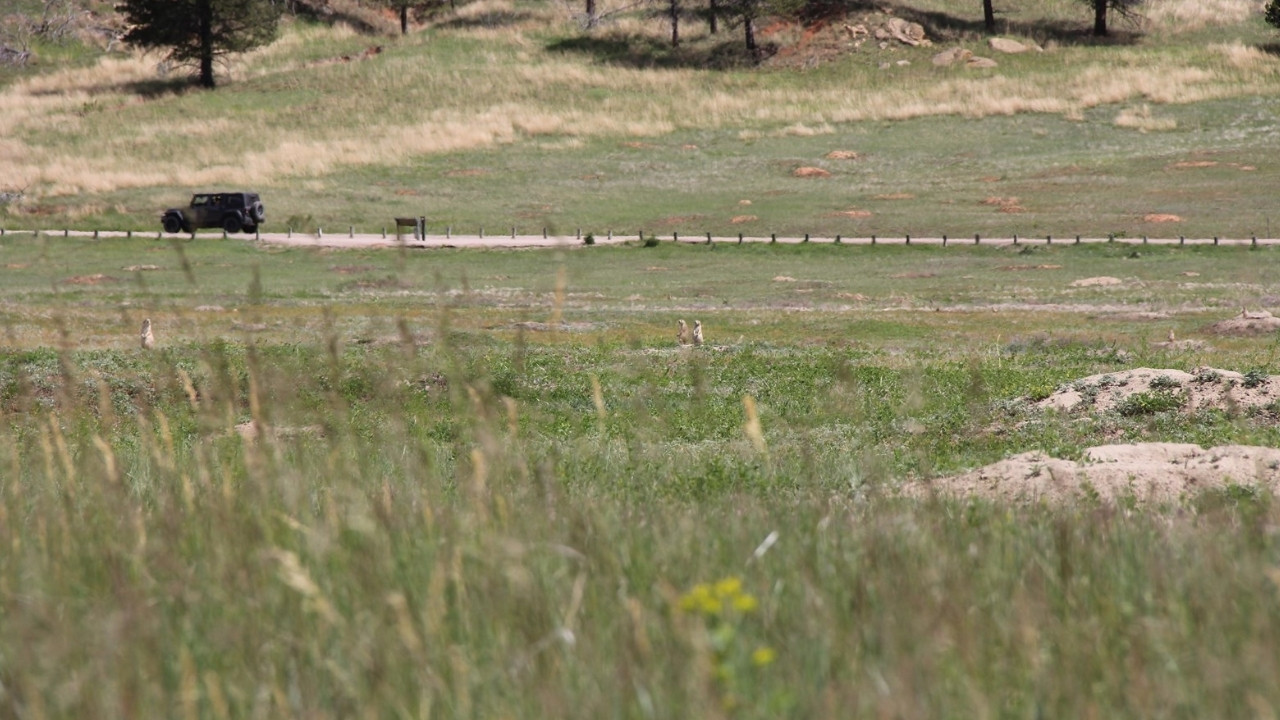
Have you ever wondered about the hidden world of Wyoming's prairie dog colonies? These small creatures play a big role in the ecosystem. Found in the grasslands, prairie dogs create complex underground homes. Their tunnels provide shelter for many other animals, making them essential to the environment. Visiting these colonies offers a unique glimpse into a bustling community of wildlife. You might spot hawks, foxes, and even burrowing owls taking advantage of the prairie dogs' hard work. Whether you're a nature lover or just curious, exploring these colonies can be an eye-opening experience. Ready to learn more about these fascinating creatures? Let's dig in!
Discovering Wyoming's Prairie Dog Colonies
Wyoming, known for its rugged landscapes and vast open spaces, is also home to some of the most fascinating prairie dog colonies. These bustling communities of small, burrowing rodents offer a unique glimpse into the natural world. Let's explore some of the best spots to witness these intriguing creatures in action.
1. Thunder Basin National Grassland
Thunder Basin National Grassland is a sprawling area that provides a perfect habitat for prairie dogs. The grassland's wide-open spaces and diverse plant life make it an ideal spot for these animals to thrive.
- Location: Northeastern Wyoming
- Best Time to Visit: Spring and early summer
- What to Expect: Large colonies, diverse wildlife, and stunning landscapes
2. Devils Tower National Monument
While Devils Tower is famous for its towering rock formation, the surrounding area is also home to vibrant prairie dog towns. Visitors can enjoy the contrast between the monumental rock and the bustling activity of the prairie dogs below.
- Location: Northeastern Wyoming
- Best Time to Visit: Late spring to early fall
- What to Expect: Scenic views, hiking trails, and active prairie dog colonies
3. Medicine Bow National Forest
Medicine Bow National Forest offers a mix of forested areas and open grasslands, creating a diverse environment where prairie dogs can be found. The forest's varied terrain provides ample opportunities for wildlife watching.
- Location: Southeastern Wyoming
- Best Time to Visit: Summer and early fall
- What to Expect: Mixed landscapes, hiking opportunities, and wildlife sightings
4. Hutton Lake National Wildlife Refuge
Hutton Lake National Wildlife Refuge is a lesser-known gem that offers a peaceful setting for observing prairie dogs. The refuge's wetlands and grasslands create a rich habitat for a variety of species.
- Location: Southeastern Wyoming
- Best Time to Visit: Spring and fall
- What to Expect: Tranquil environment, bird watching, and prairie dog colonies
5. Seedskadee National Wildlife Refuge
Seedskadee National Wildlife Refuge, located along the Green River, is a haven for wildlife enthusiasts. The refuge's diverse habitats support a range of species, including thriving prairie dog colonies.
- Location: Southwestern Wyoming
- Best Time to Visit: Spring and summer
- What to Expect: River views, bird watching, and active prairie dog towns
6. Fort Laramie National Historic Site
Fort Laramie National Historic Site offers a blend of history and nature. While exploring the historic fort, visitors can also observe the nearby prairie dog colonies that add to the site's charm.
- Location: Eastern Wyoming
- Best Time to Visit: Late spring to early fall
- What to Expect: Historical landmarks, educational exhibits, and prairie dog sightings
7. Wind River Range
The Wind River Range, known for its rugged mountains and scenic beauty, also hosts prairie dog colonies in its lower elevations. The contrast between the towering peaks and the bustling prairie dog towns is truly captivating.
- Location: Western Wyoming
- Best Time to Visit: Summer and early fall
- What to Expect: Stunning mountain views, hiking trails, and prairie dog activity
8. Grand Teton National Park
Grand Teton National Park, famous for its majestic mountains, also offers opportunities to see prairie dogs in their natural habitat. The park's diverse ecosystems support a variety of wildlife, including these charming rodents.
- Location: Northwestern Wyoming
- Best Time to Visit: Late spring to early fall
- What to Expect: Breathtaking scenery, wildlife watching, and prairie dog colonies
9. Bighorn Canyon National Recreation Area
Bighorn Canyon National Recreation Area, with its dramatic landscapes and rich wildlife, is another excellent spot to observe prairie dogs. The area's varied terrain provides a perfect backdrop for these active colonies.
- Location: Northern Wyoming
- Best Time to Visit: Spring and summer
- What to Expect: Canyon views, boating opportunities, and prairie dog sightings
10. Yellowstone National Park
Yellowstone National Park, renowned for its geothermal features and abundant wildlife, also hosts prairie dog colonies. Visitors can enjoy the park's natural wonders while observing these industrious creatures.
- Location: Northwestern Wyoming
- Best Time to Visit: Late spring to early fall
- What to Expect: Geothermal features, diverse wildlife, and active prairie dog towns
Embracing Wyoming's Prairie Dog Colonies
Wyoming's prairie dog colonies offer a unique glimpse into the ecosystem of the American West. These small creatures play a big role in maintaining the health of the prairie. By creating burrows, they help aerate the soil and provide homes for other animals. Watching them interact and go about their daily lives is both fascinating and educational.
Visiting these colonies can be a rewarding experience for nature lovers and those interested in wildlife. Remember to respect their habitat and observe from a distance to avoid disturbing them. Whether you're a seasoned traveler or a curious newcomer, Wyoming's prairie dog colonies are worth exploring. They remind us of the intricate connections within nature and the importance of preserving these delicate ecosystems. So pack your binoculars, grab a camera, and head out to witness the wonders of Wyoming's prairie dogs.
