

Secrets Of Wyoming’s Overland Trail Stagecoach Stations
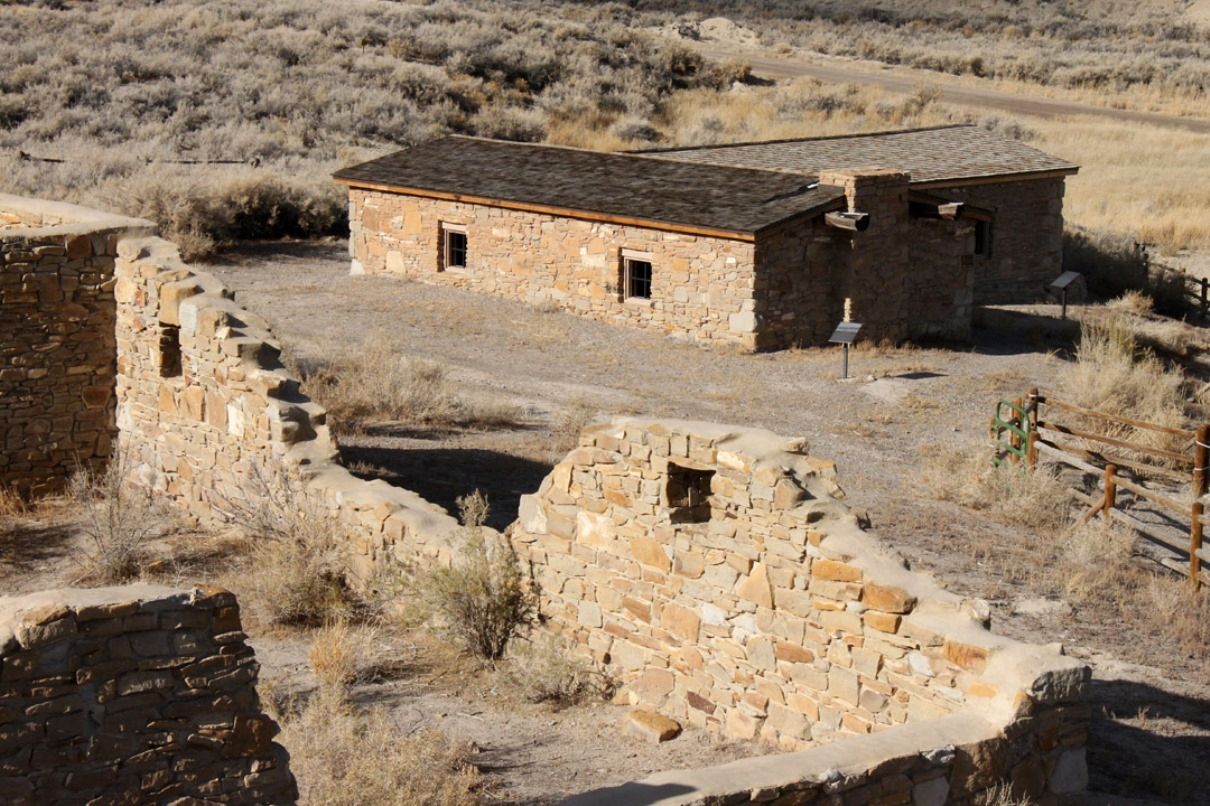
Have you ever wondered what life was like for travelers on the Overland Trail in Wyoming? Imagine dusty roads, rugged landscapes, and the anticipation of reaching the next stagecoach station. These stations were more than just pit stops; they were lifelines for weary travelers. They provided food, rest, and a chance to swap stories with fellow adventurers. Each station had its own unique charm and history, making them fascinating glimpses into the past. Whether you're a history buff or just curious about the Old West, learning about these stations offers a window into a bygone era. Ready to step back in time?
The Historic Overland Trail
The Overland Trail was a vital route for stagecoaches in the 19th century. It connected the Missouri River to the Rocky Mountains, passing through Wyoming. Along this trail, several stagecoach stations provided rest and supplies for travelers. These stations hold fascinating stories and remnants of the past.
Fort Bridger
Fort Bridger was a key stop on the Overland Trail. Established in 1843 by Jim Bridger and Louis Vasquez, it served as a trading post and military outpost.
- Fort Bridger State Historic Site: This site preserves the original fort buildings and offers a glimpse into the lives of pioneers and soldiers. Visitors can explore the museum and reconstructed structures.
South Pass City
South Pass City became a bustling hub during the gold rush. It was a crucial stop for stagecoaches and travelers heading west.
- South Pass City State Historic Site: This well-preserved ghost town features original buildings, a visitor center, and guided tours. It offers a peek into the gold rush era and the Overland Trail's significance.
Fort Laramie
Fort Laramie played a significant role in the westward expansion. It was a major military post and a vital stop for stagecoaches.
- Fort Laramie National Historic Site: This site includes restored buildings, exhibits, and reenactments. It provides insight into the fort's history and its role in protecting travelers on the Overland Trail.
Independence Rock
Independence Rock was a landmark for pioneers. It served as a guidepost and a place to rest and celebrate.
- Independence Rock State Historic Site: This granite monolith is covered with the names of pioneers who passed by. Visitors can hike around the rock and imagine the journeys of those who carved their names into history.
Fort Caspar
Fort Caspar was established to protect travelers and the telegraph line. It was a crucial stop on the Overland Trail.
- Fort Caspar Museum and Historic Site: This site features reconstructed buildings, exhibits, and artifacts. It tells the story of the fort's role in the Overland Trail and the lives of those who lived there.
Rock Creek Station
Rock Creek Station was a vital stop for stagecoaches and travelers. It provided rest and supplies for those on the long journey west.
- Rock Creek Station State Historic Site: This site includes reconstructed buildings, trails, and interpretive signs. It offers a glimpse into the daily life of travelers and the challenges they faced on the Overland Trail.
Fort Halleck
Fort Halleck was established to protect the Overland Trail and the telegraph line. It was a key military post during the westward expansion.
- Fort Halleck Historic Site: Although not much remains of the original fort, the site offers interpretive signs and a sense of the fort's strategic importance. Visitors can explore the area and imagine the fort's bustling activity.
Granger Stage Station
Granger Stage Station was a crucial stop for stagecoaches. It provided rest and supplies for travelers on the Overland Trail.
- Granger Stage Station State Historic Site: This site features a reconstructed stage station and interpretive signs. It offers a glimpse into the daily life of travelers and the challenges they faced on the Overland Trail.
Fort Sanders
Fort Sanders was established to protect the Overland Trail and the Union Pacific Railroad. It was a key military post during the westward expansion.
- Fort Sanders Historic Site: Although not much remains of the original fort, the site offers interpretive signs and a sense of the fort's strategic importance. Visitors can explore the area and imagine the fort's bustling activity.
Fort Fred Steele
Fort Fred Steele was established to protect the Union Pacific Railroad and the Overland Trail. It was a key military post during the westward expansion.
- Fort Fred Steele State Historic Site: This site includes ruins of the original fort buildings, interpretive signs, and trails. It offers a glimpse into the fort's role in protecting travelers and the railroad.
Wyoming's Overland Trail: A Journey Through Time
Exploring Wyoming's Overland Trail stagecoach stations offers a glimpse into the past. These historic sites tell stories of adventure, hardship, and the pioneering spirit. Visiting these stations, you can almost hear the clatter of stagecoach wheels and the chatter of travelers. Each station has its own unique history, from serving as a rest stop to being a hub of activity.
Whether you're a history buff or just curious, these stations provide a tangible connection to the 19th century. They remind us of the challenges faced by those who traveled the trail and the resilience required to overcome them. So, next time you're in Wyoming, take a detour to these historic sites. You'll walk away with a deeper appreciation for the state's rich history and the people who helped shape it.
