Secrets Of Wyoming’s Laramie Plains Stone Foundations
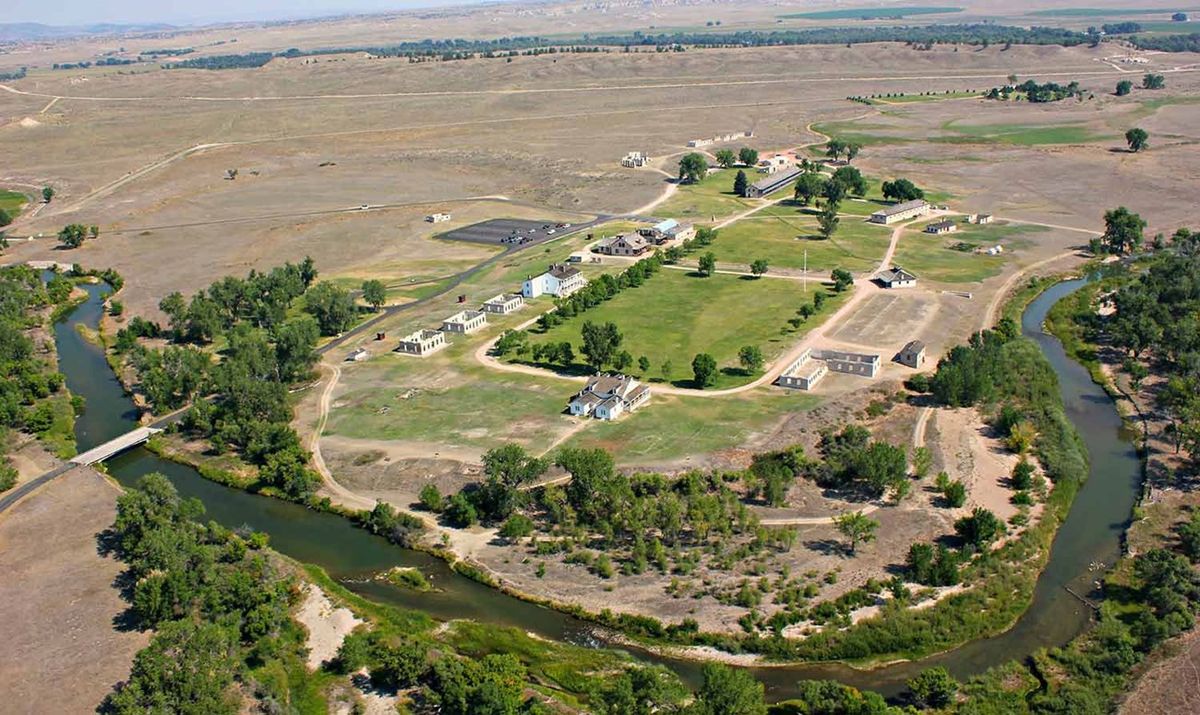
Have you ever wondered about the Laramie Plains stone foundations in Wyoming? These mysterious structures have puzzled historians and archaeologists for years. Scattered across the plains, these stone foundations hint at a time long past, yet their exact origins remain unclear. Some believe they were built by early settlers, while others think they might be remnants of ancient civilizations. What makes them even more intriguing is their unique construction and the sheer number of them. If you're a history buff or just curious about hidden gems, the Laramie Plains stone foundations offer a fascinating glimpse into Wyoming's past. Let's dive into the secrets these stones hold and what they might reveal about the people who built them.
The Mystery of Laramie Plains Stone Foundations
Wyoming's Laramie Plains hold secrets in their stone foundations. These ancient structures, scattered across the landscape, tell stories of the past. Let's dive into some of the most intriguing sites.
1. Ames Monument
Ames Monument stands tall as a tribute to the Ames brothers, key figures in the Union Pacific Railroad. This pyramid-shaped structure, designed by Henry Hobson Richardson, is a marvel of 19th-century engineering. Its granite blocks and remote location make it a fascinating site.
2. Fort Sanders
Fort Sanders, established in 1866, served as a military post during the Indian Wars. The stone foundations of the fort's buildings still remain. Walking through the ruins, one can imagine the soldiers' lives and the fort's strategic importance.
3. Red Buttes
Red Buttes, a natural landmark, also features stone foundations from early settlers. These remnants offer a glimpse into the harsh conditions faced by pioneers. The contrast between the rugged landscape and the enduring stone structures is striking.
4. Laramie River Crossing
The Laramie River Crossing was a vital point for travelers on the Overland Trail. Stone foundations here mark the locations of trading posts and waystations. These structures provided essential supplies and shelter for weary travelers.
5. Tie Siding
Tie Siding, a small community, played a crucial role in the railroad industry. Stone foundations from the town's early buildings still stand. These remnants highlight the importance of the railroad in shaping the region's development.
6. Medicine Bow
Medicine Bow, known for its ties to the Union Pacific Railroad, features several stone foundations. These structures include remnants of the historic Virginian Hotel. The town's rich history is reflected in these enduring stone buildings.
7. Centennial
Centennial, a former mining town, boasts stone foundations from its boom days. The remnants of homes, businesses, and mining facilities tell the story of a once-thriving community. Exploring these ruins offers a window into the past.
8. Rock Creek Station
Rock Creek Station served as a stagecoach stop and trading post. The stone foundations of the station's buildings remain, offering a glimpse into the lives of travelers and traders. This site is a testament to the region's role in westward expansion.
9. Bosler
Bosler, a ghost town, features stone foundations from its early 20th-century buildings. These remnants include the foundations of homes, stores, and a schoolhouse. The town's decline is evident in the crumbling structures, yet they still tell a story.
10. Jelm Mountain
Jelm Mountain, a prominent peak, has stone foundations from early homesteads. These structures reflect the challenges faced by settlers in this remote area. The mountain's rugged beauty and historical remnants make it a captivating site.
11. Wyoming Territorial Prison
The Wyoming Territorial Prison, established in 1872, housed notorious outlaws like Butch Cassidy. The stone foundations of the prison's buildings remain, offering a glimpse into the harsh conditions faced by inmates. This site is a significant part of Wyoming's history.
12. Laramie Plains Museum
The Laramie Plains Museum, located in the historic Ivinson Mansion, features stone foundations from the late 19th century. The mansion's architecture and the museum's exhibits provide insight into the region's history and development.
13. Como Bluff
Como Bluff, a renowned fossil site, also has stone foundations from early paleontological digs. These structures highlight the area's significance in the study of prehistoric life. The blend of natural history and human endeavor makes Como Bluff unique.
14. Old Main, University of Wyoming
Old Main, the first building of the University of Wyoming, has stone foundations dating back to 1886. This historic structure symbolizes the university's beginnings and its role in the state's educational development. The building's enduring presence is a testament to its importance.
Discovering the Legacy of Laramie Plains Stone Foundations
Laramie Plains stone foundations tell a story of resilience and history. These structures, built by early settlers, showcase the ingenuity and determination of those who shaped Wyoming's past. Exploring these foundations offers a glimpse into the lives of pioneers who braved harsh conditions to establish their homes.
Visiting these sites connects you to the land's rich heritage. Each stone, carefully placed, speaks of hard work and survival. These foundations are more than just remnants; they are a testament to human spirit and perseverance.
Next time you're in Wyoming, take a moment to appreciate these historical gems. They remind us of the strength and resourcefulness of those who came before us. By preserving and learning from these foundations, we honor their legacy and keep their stories alive for future generations.