Secrets Of Wyoming’s Green River Valley Trading Post Ruins
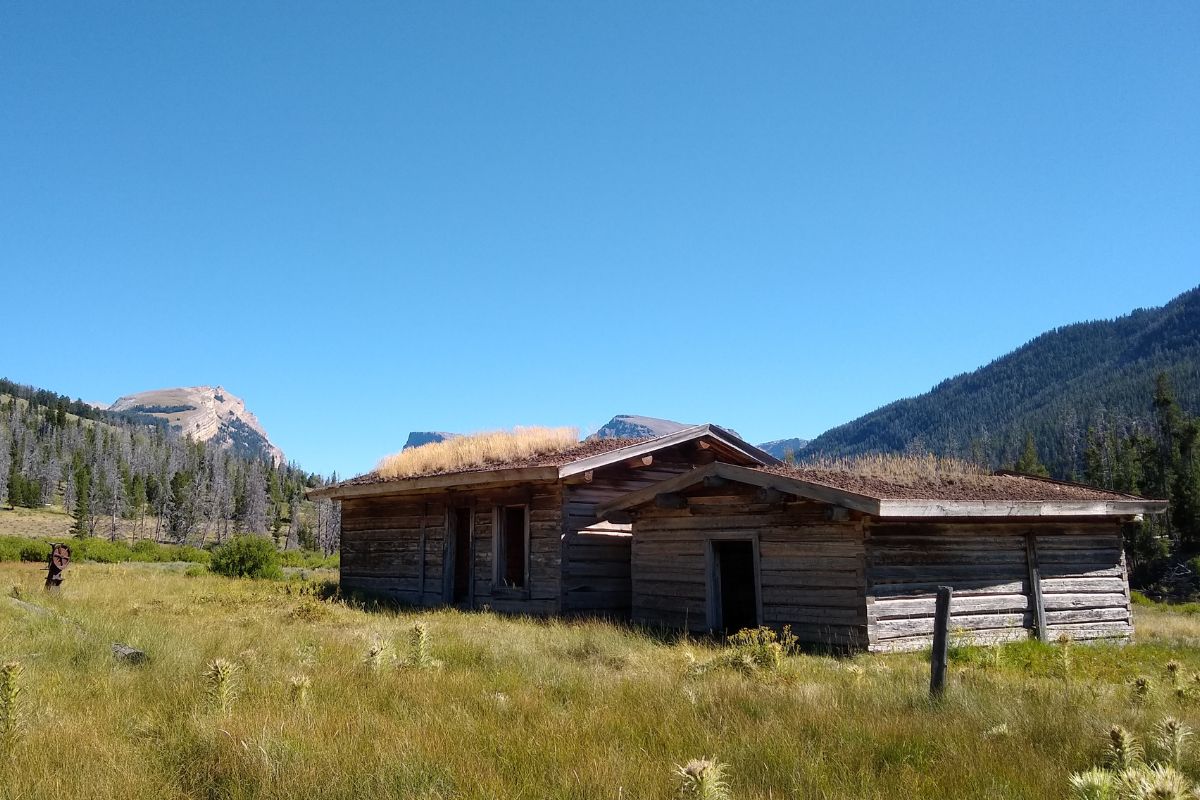
Have you ever wondered what secrets lie hidden in the Green River Valley? In Wyoming, the ruins of old trading posts tell stories of a time when trappers, traders, and Native Americans met to exchange goods. These sites, now weathered by time, offer a glimpse into the past. Imagine walking through the remnants of log cabins and trading posts, feeling the history beneath your feet. The Green River Valley isn't just a place on a map; it's a living museum waiting to be explored. Ready to step back in time and uncover the mysteries of these ancient trading posts?
Discovering the Green River Valley Trading Post Ruins
Wyoming's Green River Valley is a treasure chest of history. The trading post ruins scattered across this valley tell tales of trappers, traders, and Native American tribes. These sites offer a glimpse into a bygone era, where commerce and culture intertwined. Let's explore some of the most intriguing ruins in this historic valley.
1. Fort Bonneville
Fort Bonneville, also known as "Bonneville's Folly," was established in 1832 by Captain Benjamin Bonneville. This trading post aimed to compete with the Hudson's Bay Company but faced numerous challenges.
- Historical Significance: The fort was one of the first American trading posts in the region.
- Current State: Only remnants of the original structure remain, but the site offers a fascinating look into early trading post life.
- Visitor Tips: Bring a camera and a sense of adventure. The site is remote, so prepare accordingly.
2. Fort Bridger
Fort Bridger, founded in 1843 by Jim Bridger and Louis Vasquez, became a vital resupply point for westward-bound emigrants.
- Historical Significance: It played a crucial role during the westward expansion and was a key stop on the Oregon Trail.
- Current State: The fort has been partially reconstructed, with several original buildings still standing.
- Visitor Tips: Check out the museum and visitor center for detailed exhibits on the fort's history.
3. Fort Laramie
Fort Laramie started as a private fur trading fort in 1834 and later became a military post.
- Historical Significance: It served as a major hub for traders, trappers, and Native American tribes.
- Current State: Many original buildings have been preserved, offering a vivid picture of life in the 19th century.
- Visitor Tips: Guided tours are available, providing in-depth information about the fort's storied past.
4. Fort Caspar
Fort Caspar, originally named Platte Bridge Station, was established in 1859 to protect emigrants and supply lines.
- Historical Significance: It was the site of the Battle of Platte Bridge during the Indian Wars.
- Current State: The fort has been reconstructed, with a museum showcasing artifacts and exhibits.
- Visitor Tips: Don't miss the annual reenactments that bring history to life.
5. Fort Reno
Fort Reno, built in 1865, was part of a series of forts established to protect the Bozeman Trail.
- Historical Significance: It played a role in the conflicts between the U.S. Army and Native American tribes.
- Current State: Only foundations and some earthworks remain, but the site is rich in history.
- Visitor Tips: Wear sturdy shoes for exploring the rugged terrain.
6. Fort Phil Kearny
Fort Phil Kearny, established in 1866, was the largest of the Bozeman Trail forts.
- Historical Significance: It was the site of the Fetterman Fight, a significant battle during Red Cloud's War.
- Current State: The fort has been partially reconstructed, with interpretive trails and markers.
- Visitor Tips: Visit the interpretive center for detailed exhibits and maps.
7. Fort Fetterman
Fort Fetterman, founded in 1867, served as a base for military operations against Native American tribes.
- Historical Significance: It was a key outpost during the Indian Wars.
- Current State: Some original buildings remain, and the site includes a museum.
- Visitor Tips: Explore the self-guided trails to learn more about the fort's history.
8. Fort Supply
Fort Supply, established in 1868, was the last of the Bozeman Trail forts.
- Historical Significance: It provided protection for settlers and served as a supply depot.
- Current State: Only a few foundations remain, but the site is a peaceful place to reflect on history.
- Visitor Tips: Bring a picnic and enjoy the serene surroundings.
9. Fort McKinney
Fort McKinney, built in 1877, was established to protect settlers during the Indian Wars.
- Historical Significance: It played a role in the conflicts between the U.S. Army and Native American tribes.
- Current State: Some buildings have been preserved, and the site includes informative plaques.
- Visitor Tips: Take a leisurely walk around the grounds to soak in the history.
10. Fort Washakie
Fort Washakie, originally Camp Brown, was established in 1869 and later renamed in honor of Chief Washakie.
- Historical Significance: It served as a military post and later as an Indian agency.
- Current State: Some original structures remain, and the site includes a cemetery with notable graves.
- Visitor Tips: Visit the cemetery to pay respects to Chief Washakie and other historical figures.
The Timeless Allure of Green River Valley
Wyoming's Green River Valley Trading Post Ruins offer a glimpse into the past. These ruins tell stories of early settlers, traders, and Native Americans who once thrived here. Walking through the remnants, you can almost hear the echoes of bustling trade and daily life. The valley's natural beauty adds to its charm, making it a must-visit for history buffs and nature lovers alike. Exploring these ruins is like stepping back in time, providing a unique experience that combines history with stunning landscapes. Whether you're a local or a traveler, the Green River Valley Trading Post Ruins are a hidden gem worth discovering. So pack your bags, grab a camera, and set out to explore this fascinating piece of Wyoming's heritage.