

Secrets Of Wyoming’s Ancient Indigenous Hunting Blinds
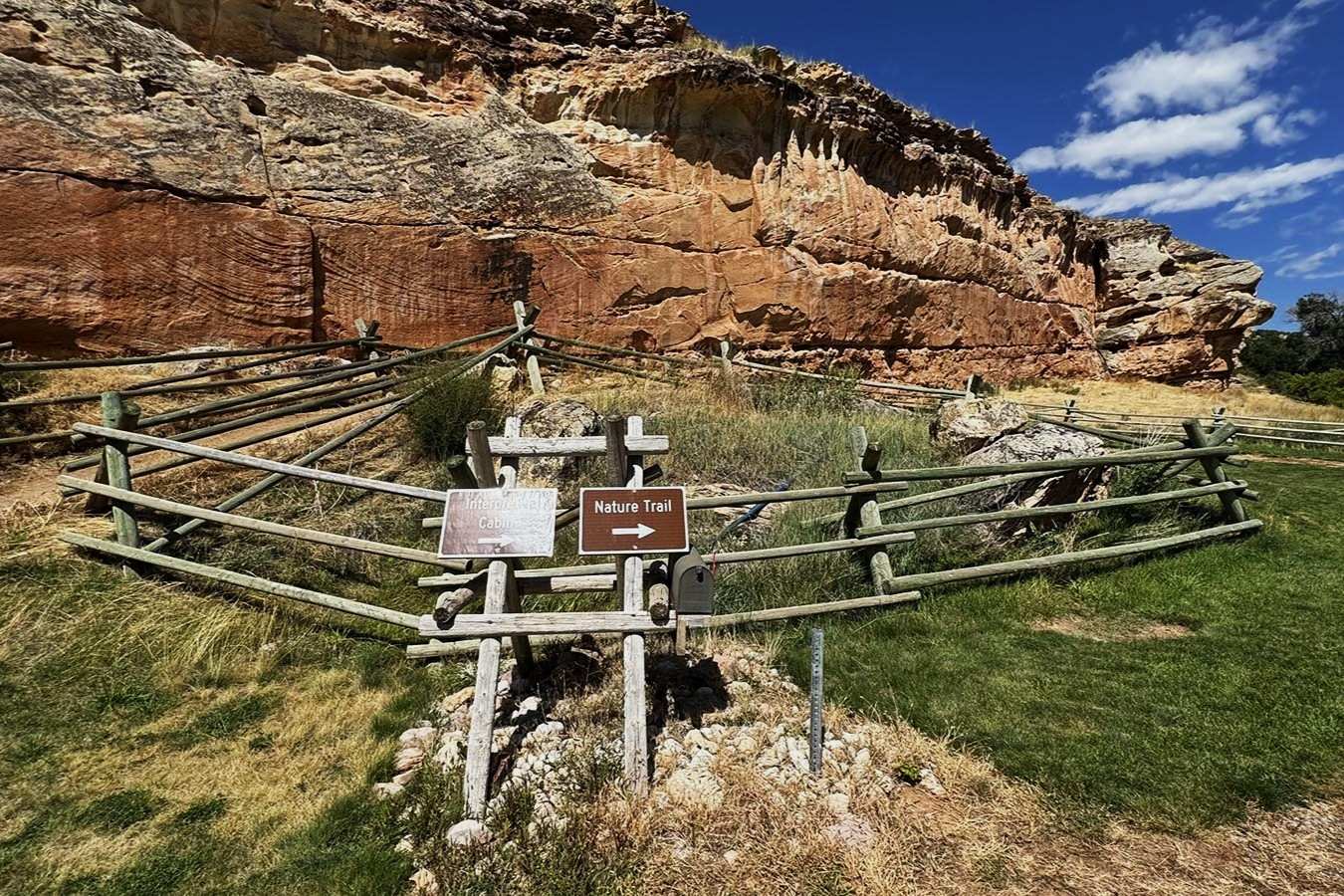
Have you ever wondered how ancient hunters in Wyoming managed to catch their prey? Wyoming's ancient indigenous hunting blinds hold the answer. These clever structures, built by Native American tribes, were designed to blend seamlessly into the natural landscape. Hunters used them to get close to animals without being seen. Imagine crouching behind a carefully constructed blind, waiting for the perfect moment to strike. These blinds were not just about hunting; they were a testament to the ingenuity and deep understanding of nature possessed by these early inhabitants. Let's take a closer look at these fascinating relics of the past.
Wyoming's Hidden Treasures
Wyoming, known for its rugged landscapes and vast open spaces, holds secrets from ancient times. Indigenous tribes once roamed these lands, leaving behind fascinating remnants of their hunting practices. Let's uncover some of these ancient hunting blinds.
1. Medicine Lodge Archaeological Site
Medicine Lodge Archaeological Site offers a glimpse into the lives of early Native American hunters. This site, located near Hyattville, features rock art and remnants of ancient dwellings.
- Rock Art: Intricate carvings and paintings on the rock walls tell stories of hunts and daily life.
- Dwellings: Foundations of ancient homes provide insight into the living conditions of early inhabitants.
2. Legend Rock Petroglyph Site
Legend Rock Petroglyph Site, near Thermopolis, is one of the most significant rock art sites in Wyoming. The petroglyphs here date back thousands of years.
- Petroglyphs: Over 300 individual carvings depict animals, humans, and abstract symbols.
- Hunting Blinds: Some carvings suggest the use of strategic hunting blinds to trap game.
3. Hell Gap Paleoindian Site
Hell Gap Paleoindian Site, located in eastern Wyoming, is a treasure trove of ancient artifacts. This site has provided valuable information about early hunting techniques.
- Artifacts: Tools and weapons used by Paleoindians give clues about their hunting strategies.
- Blinds: Evidence of constructed blinds shows how hunters ambushed their prey.
4. Vore Buffalo Jump
Vore Buffalo Jump, near Sundance, is a natural sinkhole used by Native Americans to hunt bison. This site offers a unique look at communal hunting practices.
- Sinkhole: Bison were driven into the sinkhole, making them easy targets for hunters.
- Artifacts: Bones and tools found at the site reveal the methods used in these large-scale hunts.
5. Mummy Cave
Mummy Cave, situated in the Absaroka Mountains, is an archaeological site with a rich history. This cave was used by Native Americans for thousands of years.
- Cave Art: Paintings and carvings inside the cave depict hunting scenes and spiritual beliefs.
- Hunting Blinds: Remnants of blinds near the cave entrance suggest strategic hunting practices.
6. Castle Gardens Petroglyph Site
Castle Gardens Petroglyph Site, located in central Wyoming, is known for its unique rock formations and ancient carvings.
- Petroglyphs: The carvings here include depictions of animals and hunting scenes.
- Blinds: Some rock formations were likely used as natural blinds for hunting.
7. White Mountain Petroglyphs
White Mountain Petroglyphs, near Rock Springs, offers a stunning collection of ancient carvings. This site provides a window into the lives of early hunters.
- Carvings: Detailed images of animals and hunters adorn the rock faces.
- Hunting Techniques: The carvings suggest sophisticated hunting techniques, including the use of blinds.
8. Bighorn Medicine Wheel
Bighorn Medicine Wheel, located in the Bighorn National Forest, is a sacred site with a mysterious past. This ancient structure may have been used for both spiritual and practical purposes.
- Structure: The wheel's design includes spokes and a central hub, possibly used for astronomical observations.
- Hunting Blinds: Nearby rock formations could have served as blinds for hunting game.
9. Dead Indian Pass
Dead Indian Pass, in the Absaroka Range, is a historic site with a dark past. This area was used by Native Americans for hunting and warfare.
- Blinds: Natural rock formations provided perfect cover for hunters.
- Artifacts: Tools and weapons found here offer insights into the hunting practices of the time.
10. Red Desert
Red Desert, a vast and remote area in southwestern Wyoming, holds many secrets of ancient hunters. This harsh landscape was home to various indigenous tribes.
- Hunting Grounds: The open plains and rocky outcrops were ideal for setting up blinds.
- Petroglyphs: Carvings on the rocks depict hunting scenes and daily life activities.
Wyoming's Ancient Hunting Blinds: A Glimpse into the Past
Wyoming's ancient indigenous hunting blinds offer a unique window into the past. These structures, used by Native American tribes, showcase their ingenuity and deep connection to the land. By studying these blinds, we gain insight into their hunting techniques, survival strategies, and cultural practices.
Visiting these sites provides a tangible link to history, allowing us to appreciate the skill and knowledge of those who lived here long ago. It's a reminder of the rich heritage that shapes Wyoming's landscape today.
Exploring these ancient blinds not only enriches our understanding of the past but also highlights the importance of preserving these historical treasures. They are a testament to human resilience and adaptability, offering lessons that remain relevant. So next time you're in Wyoming, take a moment to reflect on the stories these ancient structures tell.
