Hidden Trading Post Wells Of Wyoming’s South Pass Gold Rush
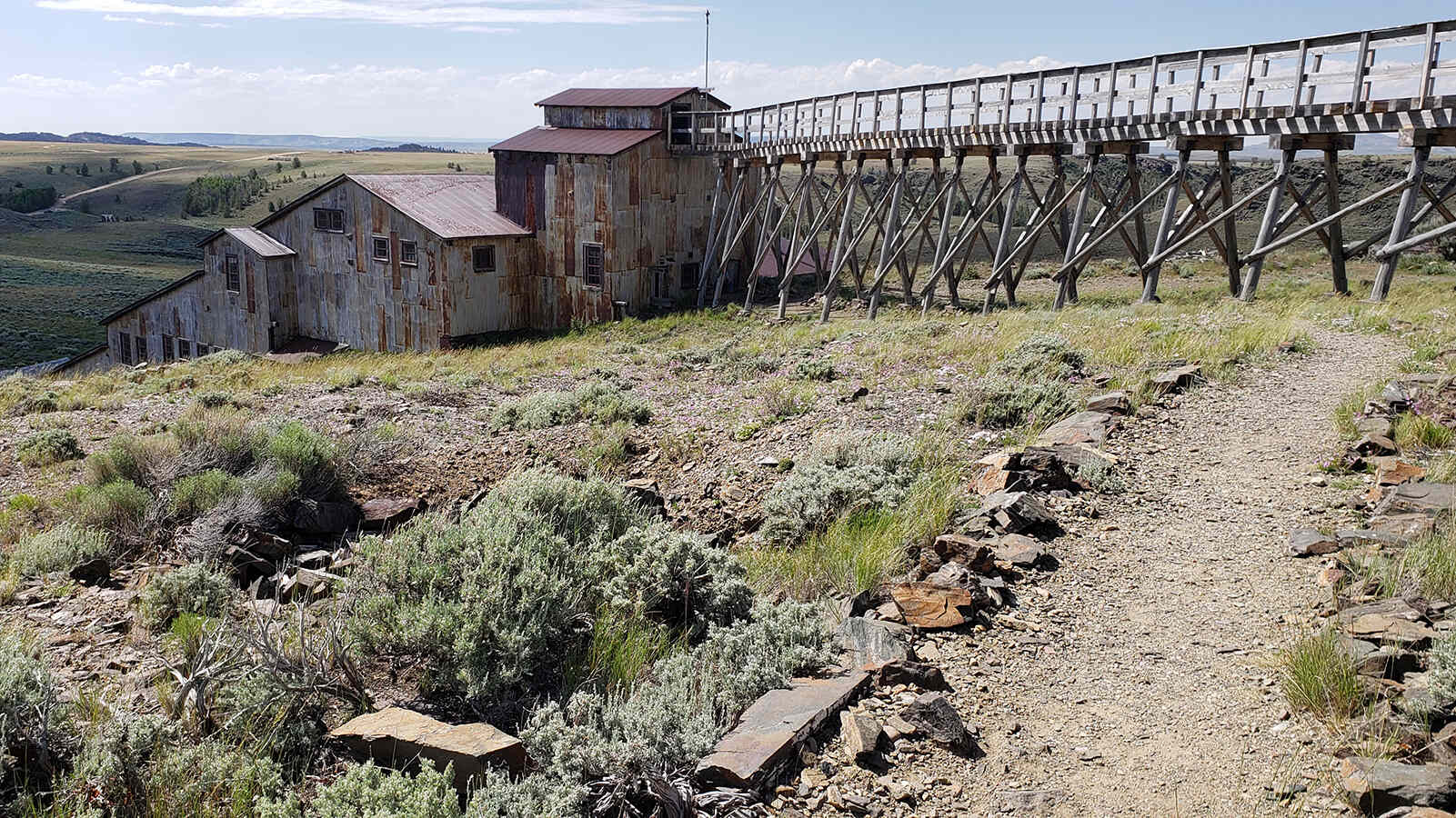
Have you ever wondered what secrets lie beneath the surface of Wyoming's South Pass? This historic area, known for its gold rush in the 1860s, hides more than just tales of fortune seekers. Hidden trading post wells are scattered throughout the region, remnants of bustling hubs where miners and traders once gathered. These wells provided essential water supplies in an otherwise harsh and arid landscape. Exploring these hidden gems offers a unique glimpse into the daily lives of those who braved the frontier in search of gold. Join us as we uncover the stories behind these forgotten wells and the role they played in shaping the history of South Pass.
Hidden Trading Post Wells of Wyoming's South Pass Gold Rush
Wyoming's South Pass was a bustling hub during the Gold Rush era. Hidden among the rugged landscape are wells that once served as lifelines for traders, miners, and settlers. These wells, often overlooked, hold stories of survival and prosperity. Let's uncover some of these hidden gems.
1. Atlantic City Well
Atlantic City, a small mining town, was a hotspot during the Gold Rush. The well here provided essential water for miners and their families. Today, it stands as a testament to the town's vibrant past.
2. South Pass City Well
South Pass City was a major player in the Gold Rush. The well in this historic town was crucial for the community's survival. It remains a significant landmark, offering a glimpse into the lives of those who sought fortune here.
3. Miner's Delight Well
Miner's Delight, another key location, had a well that served as a vital resource. This well supported the town's miners, ensuring they had the water needed for their daily tasks. The well's remnants still echo the town's once-thriving activity.
4. Carissa Mine Well
The Carissa Mine was one of the richest gold mines in the area. The well here was indispensable for the mining operations. It provided water for processing ore and sustaining the workers. The well's presence highlights the mine's historical significance.
5. Lewiston Well
Lewiston, though less known, played a role in the Gold Rush. The well here was a crucial stop for traders and travelers. It offered much-needed water in the arid landscape, making it a key point of interest.
6. Willow Creek Well
Willow Creek was a small but important settlement. The well here supported both the local population and passing traders. Its strategic location made it a vital resource during the Gold Rush era.
7. Dickie Springs Well
Dickie Springs, a lesser-known site, had a well that was essential for the miners working in the area. The well's water was a lifeline in the harsh conditions, ensuring the miners could continue their quest for gold.
8. Oregon Buttes Well
Oregon Buttes, a landmark for travelers, had a well that provided water for those journeying through the region. This well was a crucial stop, offering respite and resources for weary travelers.
9. Pacific Springs Well
Pacific Springs was a key location on the Oregon Trail. The well here was a vital resource for pioneers heading west. It provided much-needed water, making it an essential stop on their journey.
10. Sweetwater Station Well
Sweetwater Station, a trading post, had a well that served both traders and travelers. The well's water was crucial for the station's operations, ensuring it could continue to serve the needs of those passing through.
11. Fort Stambaugh Well
Fort Stambaugh, a military outpost, had a well that was vital for the soldiers stationed there. The well ensured the fort's sustainability, providing water for both the troops and their horses.
12. Placer Gulch Well
Placer Gulch, known for its gold deposits, had a well that supported the miners working the area. The well's water was essential for both mining operations and daily life in the gulch.
13. Beaver Creek Well
Beaver Creek, a small settlement, had a well that was a key resource for the local population. The well provided water in an otherwise dry region, making it an important part of the community's survival.
14. Red Canyon Well
Red Canyon, with its striking landscape, had a well that served the miners and settlers in the area. The well's water was crucial for sustaining life in this remote location.
15. Emigrant Springs Well
Emigrant Springs was a stop for those traveling west. The well here provided water for emigrants, ensuring they could continue their journey. This well was a lifeline for many during the Gold Rush era.
Discovering Wyoming's Hidden Gems
Wyoming's South Pass holds more than just history. It offers a glimpse into the past with its hidden trading post wells. These wells were crucial for gold rush pioneers, providing water and a place to rest. Exploring these sites today, you can feel the spirit of adventure and resilience that defined the era. The wells are not just relics; they are stories waiting to be told. Visiting South Pass, you connect with a time when dreams of gold drove people to the edge of the frontier. It's a unique experience that combines history, nature, and a sense of discovery. Whether you're a history buff or just love exploring new places, South Pass's hidden wells are a must-see. They remind us of the challenges and triumphs of those who came before us, making our own journeys feel a bit more connected to the past.