

Hidden Trading Post Wells Along Wyoming’s Fort Bridger Route
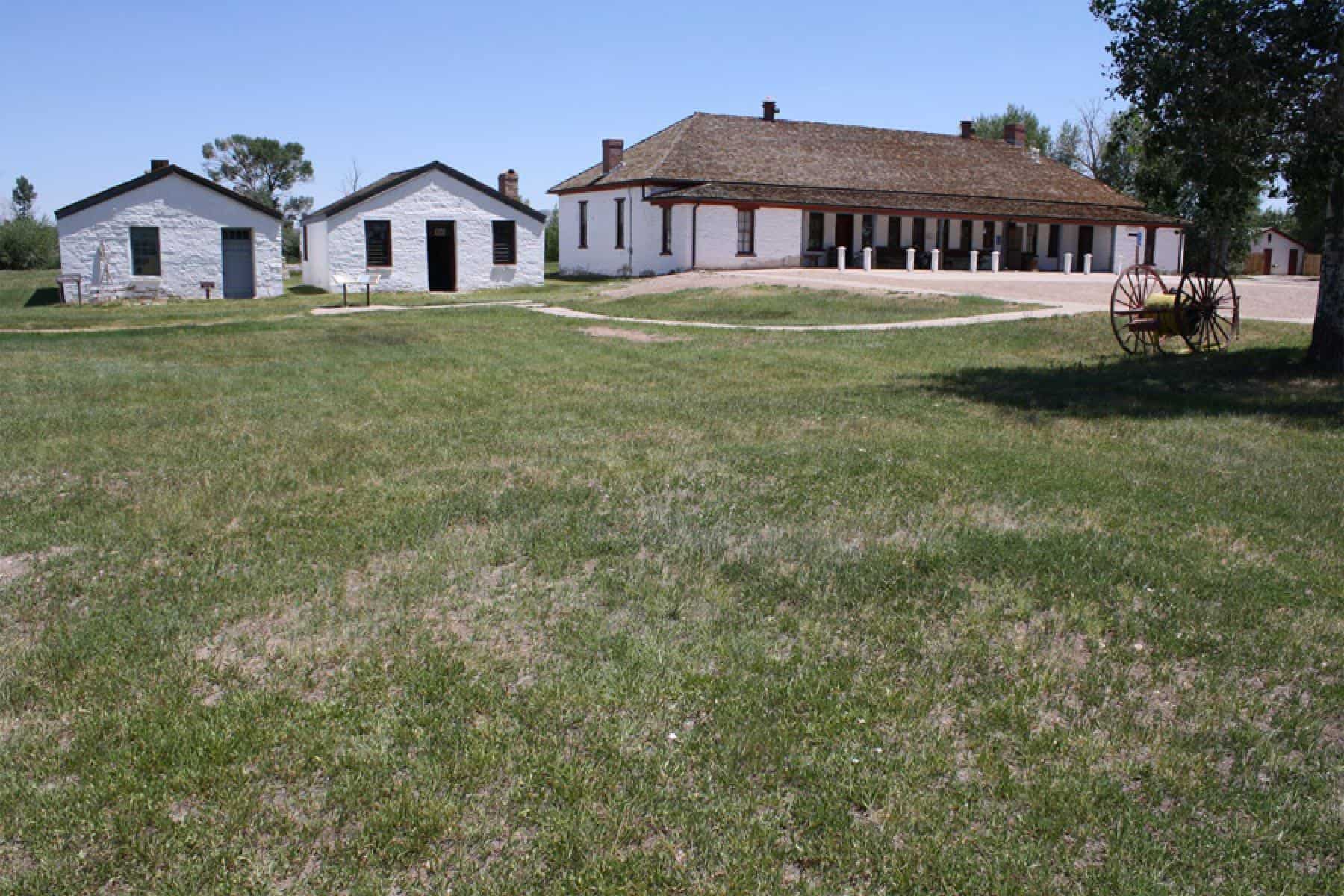
Have you ever wondered what life was like for pioneers traveling the Oregon Trail? One of the most intriguing stops along this historic route is Fort Bridger in Wyoming. Established in 1843 by mountain man Jim Bridger, this fort became a vital trading post for settlers, trappers, and Native Americans. Imagine the bustling activity as wagons rolled in, traders bartered goods, and travelers shared stories around campfires. Today, you can visit this historic site and see remnants of the past, including reconstructed buildings and artifacts. Step back in time and experience a slice of pioneer life at Fort Bridger.
Hidden Trading Post Wells Along Wyoming's Fort Bridger Route
Wyoming's Fort Bridger Route is a treasure trove of history and hidden gems. Among these gems are the hidden trading post wells that once served as lifelines for travelers and traders. These wells, often overlooked, hold stories of the past and offer a glimpse into the rugged life of early pioneers.
The Significance of Trading Post Wells
Trading post wells were essential for survival in the harsh Wyoming landscape. They provided much-needed water for travelers, livestock, and trade goods. These wells were strategically placed along the route to ensure that traders and pioneers could make the long journey safely.
- Fort Bridger Well
Fort Bridger itself is a historic site with a well that dates back to the mid-1800s. This well was a crucial water source for the fort and the surrounding area. Today, visitors can see the remnants of this well and imagine the bustling activity that once surrounded it.
- Burnt Fork Well
Located near the Burnt Fork Trading Post, this well was a vital stop for traders heading west. The well provided fresh water in an otherwise arid region, making it a popular spot for rest and resupply.
Wells That Supported Pioneer Life
Pioneers relied heavily on these wells for their daily needs. Without them, the journey west would have been nearly impossible. These wells not only provided water but also served as gathering points for travelers to share news and stories.
- Hams Fork Well
Hams Fork Well, situated along the Hams Fork River, was a key water source for pioneers. The well's location near the river ensured a steady supply of water, making it a reliable stop for those traveling the Fort Bridger Route.
- Smith's Fork Well
Smith's Fork Well, named after a prominent trader, was another crucial stop. This well was known for its clear, cool water, which was a welcome relief for weary travelers and their animals.
Wells with Historical Significance
Some wells along the Fort Bridger Route hold particular historical significance. These wells witnessed key events and played roles in the broader story of westward expansion.
- Muddy Creek Well
Muddy Creek Well, located near a historic trading post, was a site of many encounters between traders and Native American tribes. The well's water was essential for both groups, fostering interactions that shaped the region's history.
- Green River Well
Green River Well, near the Green River, was a strategic stop for traders. The well's proximity to the river made it a crucial point for resupplying water before continuing the journey westward.
Wells That Became Community Hubs
Some wells evolved into community hubs where travelers could rest, trade goods, and exchange information. These wells became focal points for social interaction along the route.
- Bridger Valley Well
Bridger Valley Well, located in a lush valley, became a popular gathering spot. Travelers would often camp near the well, creating a temporary community where stories and supplies were shared.
- Echo Canyon Well
Echo Canyon Well, nestled in a scenic canyon, was a favorite stop for its picturesque surroundings. The well's water was not only vital but also added to the beauty of the journey.
Wells That Still Exist Today
While many wells have disappeared over time, some still exist and can be visited today. These wells offer a tangible connection to the past and allow visitors to experience a piece of history.
- Fort Supply Well
Fort Supply Well, located near the historic Fort Supply, is one of the few wells that remain intact. Visitors can see the well and imagine the fort's bustling activity during its heyday.
- Lyman Well
Lyman Well, near the town of Lyman, is another well that has stood the test of time. This well continues to provide water, serving as a reminder of the vital role these wells played in the past.
Discovering Wyoming's Hidden Gems
Exploring the hidden trading post wells along Wyoming's Fort Bridger route offers a unique glimpse into the past. These wells, once vital for travelers and traders, now stand as silent witnesses to history. Visiting these sites provides a tangible connection to the stories of pioneers and Native Americans who once relied on them.
Whether you're a history buff or just love a good adventure, these hidden gems are worth the trip. They offer a chance to step back in time and imagine the challenges and triumphs of those who traveled this route. So next time you're in Wyoming, take a detour to explore these fascinating remnants of the past. You'll leave with a deeper appreciation for the history and resilience of those who came before us.
