

Hidden Trading Post Sites Along Wyoming’s Oregon Trail Ruts
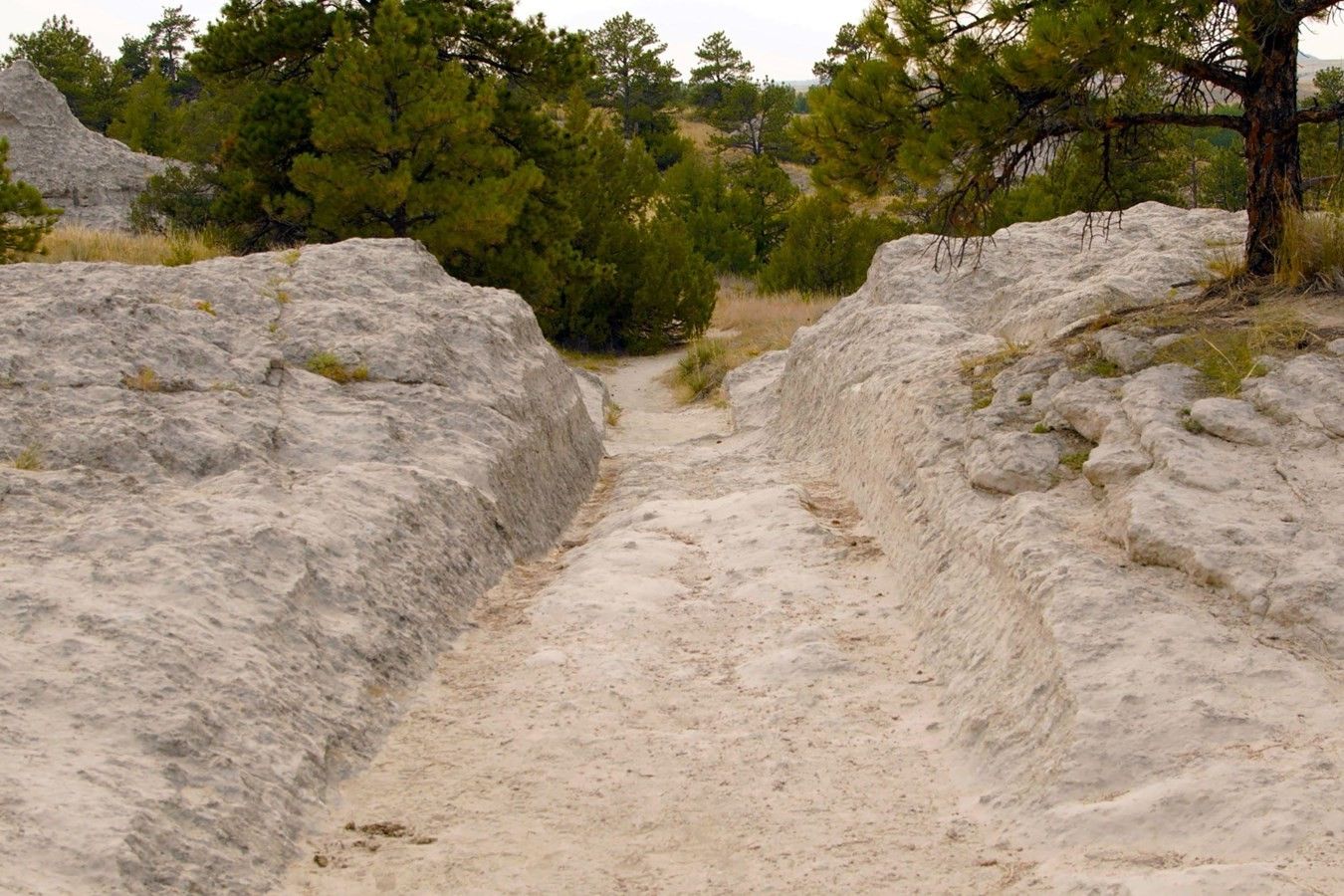
Have you ever wondered about the hidden trading post sites along Wyoming's Oregon Trail Ruts? These historic paths, carved by pioneers, hold secrets of old trading posts that once buzzed with activity. Imagine the bustling scenes where traders exchanged goods, stories, and news. Today, these spots offer a glimpse into the past, letting you walk in the footsteps of those who journeyed westward. Whether you're a history buff or just curious, exploring these sites can be a fascinating adventure. Ready to step back in time and uncover the mysteries of Wyoming's Oregon Trail Ruts? Let's dive into the rich history and hidden gems waiting to be discovered.
Hidden Trading Post Sites Along Wyoming's Oregon Trail Ruts
The Oregon Trail was a lifeline for pioneers heading west. Along this historic route, trading posts provided essential supplies and a brief respite from the grueling journey. Wyoming, with its rugged landscapes, holds many of these hidden gems. Let's uncover some of these lesser-known trading posts.
1. Fort Laramie
Fort Laramie was more than just a military post. It became a bustling hub for traders, trappers, and travelers. Here, pioneers could restock supplies, trade goods, and gather information about the road ahead.
- Location: Near the confluence of the Laramie and North Platte Rivers
- Established: 1834
- Significance: Key resupply point and meeting place for various cultures
2. Fort Bridger
Founded by the famous mountain man Jim Bridger, Fort Bridger was a crucial stop for those on the Oregon Trail. It offered a place to repair wagons, rest, and trade.
- Location: Southwest Wyoming
- Established: 1843
- Significance: Provided blacksmith services, supplies, and a safe haven
3. Fort Caspar
Named after Lieutenant Caspar Collins, Fort Caspar served as a vital trading post and military outpost. It played a significant role in protecting travelers from potential threats.
- Location: Near the North Platte River
- Established: 1859
- Significance: Offered protection and supplies to pioneers
4. Fort Hall
Although technically in Idaho, Fort Hall was a critical stop for those traveling through Wyoming. It was a major trading post where pioneers could trade for fresh horses and supplies.
- Location: Near the Snake River
- Established: 1834
- Significance: Major resupply point for travelers heading west
5. Fort Bonneville
Also known as "Fort Nonsense," Fort Bonneville was built by Captain Benjamin Bonneville. Though it was short-lived, it served as a trading post for trappers and traders.
- Location: Near the Green River
- Established: 1832
- Significance: Early trading post that provided supplies to trappers
6. Fort Supply
Fort Supply was established to support the Mormon settlers heading to Utah. It became a crucial trading post for those traveling the Oregon Trail.
- Location: Near the Bear River
- Established: 1853
- Significance: Supported Mormon pioneers and provided supplies
7. Fort John
Also known as Fort William, Fort John was a trading post that later became part of Fort Laramie. It played a significant role in the fur trade and provided supplies to pioneers.
- Location: Near the Laramie River
- Established: 1834
- Significance: Early fur trading post and supply point
8. Fort Reno
Fort Reno was established to protect the Bozeman Trail but also served as a trading post. It provided a safe place for pioneers to rest and resupply.
- Location: Near the Powder River
- Established: 1865
- Significance: Protected travelers and offered essential supplies
9. Fort Phil Kearny
Fort Phil Kearny was built to protect travelers on the Bozeman Trail. It also served as a trading post where pioneers could trade for supplies and gather information.
- Location: Near the Bighorn Mountains
- Established: 1866
- Significance: Provided protection and supplies to travelers
10. Fort Fetterman
Fort Fetterman was a military post that also functioned as a trading post. It offered protection and supplies to those traveling the Oregon Trail.
- Location: Near the North Platte River
- Established: 1867
- Significance: Key military and trading post for pioneers
Discovering Wyoming's Hidden Gems
Exploring Wyoming's Oregon Trail ruts reveals more than just history. These hidden trading post sites offer a glimpse into the past, showing how pioneers lived and traded. Visiting these spots, you can almost hear the echoes of wagon wheels and bustling markets. Each site tells a unique story, from the challenges faced by travelers to the vibrant exchanges that took place. Whether you're a history buff or just love a good adventure, these locations provide a rich, immersive experience. So next time you're in Wyoming, take a detour to these hidden gems. You'll walk away with a deeper appreciation for the resilience and ingenuity of those who traveled the Oregon Trail. Plus, the stunning landscapes and historical insights make it a trip worth taking. Happy exploring!
