Hidden Stagecoach Stops Along Wyoming’s Oregon Trail
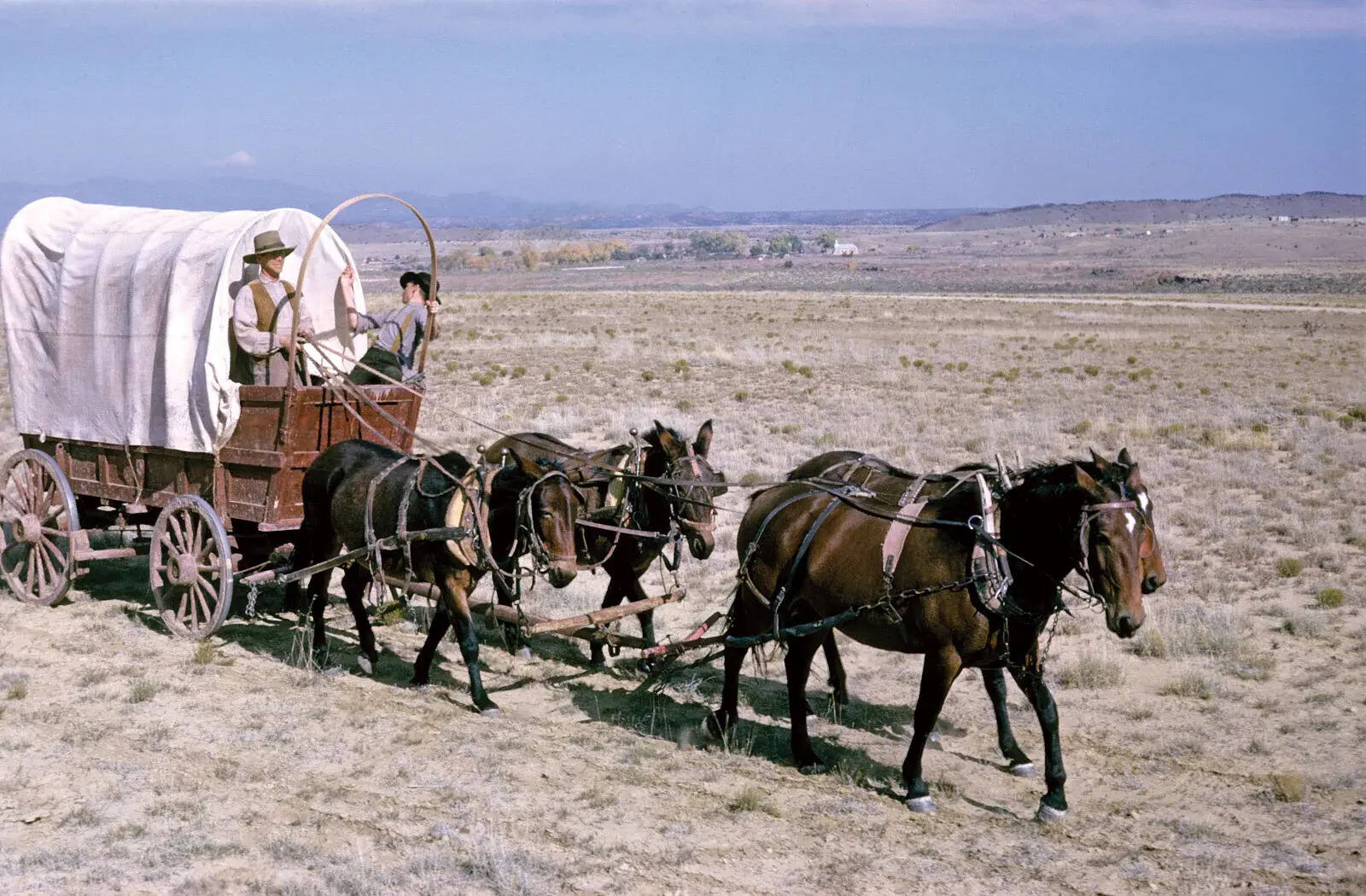
Have you ever wondered about the hidden gems along Wyoming's Oregon Trail? This historic route, known for its rugged beauty and rich history, holds secrets waiting to be uncovered. Among these treasures are the stagecoach stops that once served weary travelers. These stops, often overlooked, offer a glimpse into the past, showcasing the challenges and triumphs of those who journeyed westward. From rustic cabins to abandoned inns, each stop tells a story of adventure and perseverance. Whether you're a history buff or just love a good road trip, exploring these hidden stagecoach stops will transport you back in time.
Hidden Stagecoach Stops Along Wyoming's Oregon Trail
The Oregon Trail, a historic route stretching from Missouri to Oregon, played a crucial role in American westward expansion. Along this trail, stagecoach stops provided essential services to travelers. In Wyoming, several of these stops remain hidden gems, waiting to be explored.
1. Fort Laramie
Fort Laramie, once a bustling military post, served as a key stagecoach stop. Travelers could rest, resupply, and seek protection from potential threats. Today, it stands as a historic site, offering a glimpse into the past.
2. Independence Rock
Independence Rock, known as the "Great Register of the Desert," was a landmark for pioneers. Stagecoaches often stopped here, allowing passengers to carve their names into the rock. This tradition created a unique historical record.
3. South Pass City
South Pass City, a once-thriving mining town, also served as a stagecoach stop. The town's hotel provided weary travelers with a place to rest. Now a state historic site, it offers a peek into the life of 19th-century pioneers.
4. Fort Bridger
Fort Bridger, established by mountain man Jim Bridger, was a vital resupply point. Stagecoaches stopped here for fresh horses and supplies. The fort's museum now showcases artifacts from its storied past.
5. Granger Stage Station
Granger Stage Station, located near the Green River, was a crucial stop for stagecoaches. It provided fresh horses and a place for passengers to rest. The station's ruins still stand, offering a tangible link to the past.
6. Point of Rocks Stage Station
Point of Rocks Stage Station, nestled in the Wyoming desert, served as a vital stop. Travelers could find water, food, and shelter here. The station's remains are a testament to the harsh conditions faced by pioneers.
7. Fort Caspar
Fort Caspar, named after Lt. Caspar Collins, was a key military post and stagecoach stop. It provided protection and supplies to travelers. The reconstructed fort now serves as a museum, preserving its rich history.
8. Devil's Gate
Devil's Gate, a narrow cleft in the rocks, was a notable landmark. Stagecoaches often stopped nearby, allowing passengers to marvel at the natural wonder. The area remains a popular spot for history enthusiasts and hikers.
9. Rock Creek Stage Station
Rock Creek Stage Station, located near the Medicine Bow Mountains, was a crucial stop. It offered fresh horses and a place to rest. The station's ruins provide a glimpse into the challenges faced by stagecoach travelers.
10. Fort Hall
Fort Hall, originally a fur trading post, became a key stagecoach stop. It offered supplies and protection to travelers. The fort's remains are a reminder of its importance in the westward expansion.
11. Sweetwater Station
Sweetwater Station, located along the Sweetwater River, was a vital stop. Travelers could find water, food, and shelter here. The station's ruins still stand, offering a tangible link to the past.
12. Fort Bonneville
Fort Bonneville, also known as "Bonneville's Folly," was a short-lived trading post. Despite its brief existence, it served as a stagecoach stop. The fort's remains are a testament to the challenges faced by early pioneers.
Discovering Wyoming's Hidden Stagecoach Stops
Exploring Wyoming's hidden stagecoach stops along the Oregon Trail offers a unique glimpse into America's past. These stops, often overlooked, provide rich stories and historical significance. Visiting places like Fort Laramie, Independence Rock, and Register Cliff connects travelers to the pioneers' journey. Each location tells tales of hardship, hope, and perseverance.
Whether you're a history buff or just love a good adventure, these stops are worth the visit. They remind us of the challenges faced by early settlers and the spirit that drove them westward. So next time you're in Wyoming, take a detour to these hidden gems. You'll walk away with a deeper appreciation for the Oregon Trail and the people who traveled it. Happy trails!