

Part of our Wyoming guide.
11 places and guides from our Wyoming coverage, gathered into one page.
Related travel guides: Seasonal Travel and Winter Destinations, Seasonal Clothing and Travel Gear, Events And Seasons In Alaska, and Events And Seasons In Oregon.
Yellowstone's Thermal Spring Bacterial Mats
Yellowstone's thermal springs get their vibrant colors from bacterial mats—communities of heat-loving microorganisms that thrive in extreme temperatures. Each mat’s hue, from fiery reds and oranges to cool blues and greens, comes from specific types of bacteria adapted to different water temperatures. The center of a spring is a deep blue where the water is hottest; as the water cools outward, bands of yellow, orange, and red appear. These colors tell a story of survival and adaptation, with each microorganism playing a role in the spring’s ecosystem.
Jackson Hole, Wyoming In The Winter - What To Pack
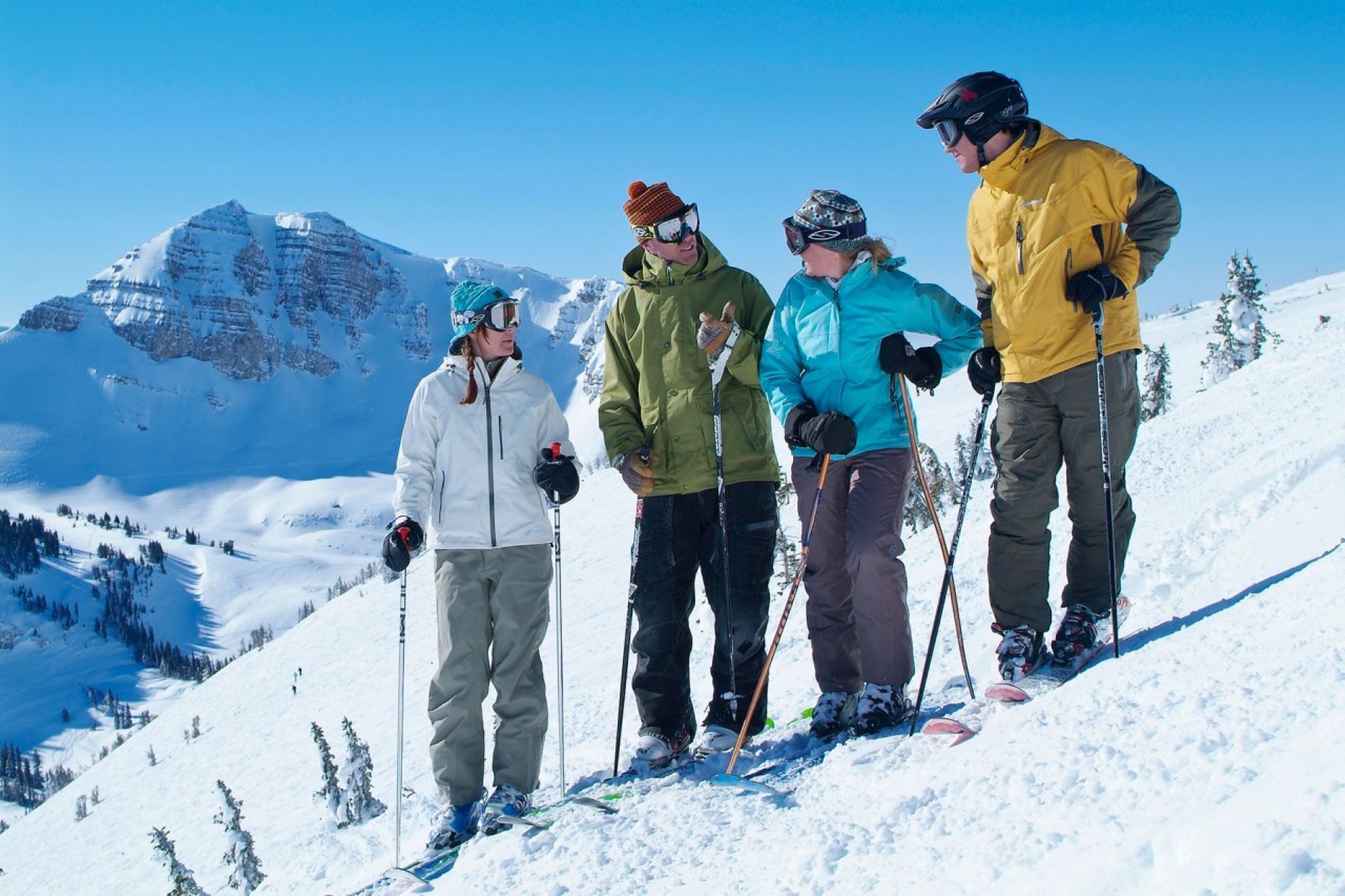
For a winter trip to Jackson Hole, pack layers: a moisture-wicking base layer, an insulating mid-layer (fleece or down), and a waterproof outer shell. Bring insulated, waterproof boots with good traction, gloves, a hat, and a neck gaiter. Ski or snowboard gear if you plan to hit the slopes, plus lip balm and sunscreen—the sun reflects off snow. A daypack with snacks and water is essential for outdoor adventures.
Mysterious Periodic Spring
Wyoming's Periodic Spring, near Afton, flows for about 18 minutes, then stops for 18 minutes, repeating this cycle all day. It is one of only three such springs in the world. The phenomenon occurs due to an underground siphon effect.
Winter Wildlife Migrations In Wyoming's Pronghorn Path
Each year, thousands of pronghorns travel over 150 miles from Grand Teton National Park to the Green River Basin. This is one of the longest migrations in North America. They face harsh weather, predators, and human-made obstacles, driven by the need to find food and shelter.
Winter Magic Awaits At Casper Mountain
Casper Mountain transforms into a winter wonderland with snow-covered trails, cozy cabins, and breathtaking views. Activities include skiing, snowboarding, snowshoeing, and tubing.
Grand Prismatic Spring
The Grand Prismatic Spring in Yellowstone National Park is the largest hot spring in the United States and the third largest in the world. Its vibrant hues of blue, green, yellow, orange, and red come from different types of heat-loving bacteria that thrive in the spring's varying temperatures. The center of the spring is a deep blue, where the water is hottest.
Grand Prismatic Spring Boardwalks
The Grand Prismatic Spring boardwalks offer an up-close view of this stunning sight while protecting the delicate ecosystem. Located in Yellowstone National Park, the spring is the largest hot spring in the United States. Its vibrant colors, ranging from deep blues to fiery reds, are caused by heat-loving bacteria. The boardwalks provide a safe path to explore the area. For those interested in deeper exploration, the area holds secrets hidden in Wyoming that reveal more about the region's geothermal activity.
Lost Spring
Lost Spring, a tiny town with a population of just a handful, holds a unique charm nestled in Wyoming's vast landscapes. Despite its small size, the town has a rich history and a few hidden gems worth exploring.
Tensleep Canyon Spring Houses
Tensleep Canyon offers breathtaking views and a slice of history with its spring houses—unique structures built by early settlers to keep food cool before refrigeration existed. These hidden gems provide a step back in time.
Winter Wonders At National Elk Refuge
The National Elk Refuge in Wyoming offers a unique winter experience: thousands of majestic elk roaming freely against a backdrop of snow-covered mountains. You can take a guided sleigh ride through the refuge, where knowledgeable guides share fascinating facts about the elk and their habitat. Besides elk, you might spot other wildlife like bison, coyotes, and eagles.
Absaroka Range Spring Houses
The Absaroka Range, part of the Rocky Mountains, hides spring houses within its rugged terrain—natural wonders that provide fresh, cool water year-round. These unique structures have a rich history dating back to when Native American tribes first discovered them. They serve as a reminder of the region's natural beauty and historical significance. For those seeking more remote wonders, ghost secrets hidden 2 in Wyoming can be found in the range's lesser-visited corners.
