

Part of our Alaska guide.
Alaska’s events and seasons shape when you should go, and winter offers the most dramatic shift from summer’s crowds. Below are six stops from our coverage, each tied to a specific time of year.
Related travel guides: Events And Seasons In Ohio, Events And Seasons In Mississippi, Events And Seasons In Florida, Events And Seasons In Texas, Events And Seasons In Washington, and Events And Seasons In Italy.
Santa Claus House: Experience The North Pole's Christmas Magic
Santa Claus House in North Pole, Alaska, is open year-round, but December is when its festive atmosphere peaks. You can meet Santa, send a letter from his official post office (the town’s zip code is 99705), and shop for unique gifts. The giant Santa statue outside and the reindeer pen are photo staples, and the holiday displays—twinkling lights, music, and cookie smells—are up even in summer, though the “Christmas in July” events draw the biggest crowds. If you visit in winter, expect subzero temperatures; the town averages 10°F in December, so layer accordingly.
Whispers Of The Whales: Secret Narwhal Summer Grounds In The Canadian Arctic
While not Alaska, this entry covers narwhal watching in the Canadian Arctic, where the whales gather from July to August. These “unicorns of the sea” migrate to fjords like those on Baffin Island, where the ice breaks up enough for them to surface. Tours from Pond Inlet or Arctic Bay run only in those two months, and sightings are not guaranteed—narwhals are skittish and the weather can ground boats. If you go, bring a telephoto lens; the animals rarely approach within 100 meters.
Year-Round Christmas Magic At The North Pole
The town of North Pole, Alaska, leans into its name 365 days a year, but the key seasonal event is the annual Santa’s Workshop holiday lights display, which runs from late November through early January. Outside that window, the main draws are the Santa Claus House (see above) and the town’s streetlights shaped like candy canes. In summer, the midnight sun means you can stroll the streets at 11 p.m. in broad daylight—a novelty that fades by August, when the nights return and the aurora season begins in September.
Fairbanks Ice Museum A Magical Winter Wonderland
The Fairbanks Ice Museum is open daily from July through March, but the best time to visit is during the Ice Art Championships in March, when the world’s top carvers compete. The museum itself is kept at 25°F year-round, so dress warmly even in July. You’ll see intricate sculptures, an ice bar (with frosty drinks served in ice glasses), and live carving demos. In winter, the museum’s location—about 20 minutes from downtown Fairbanks—makes it a natural stop before heading out to view the Northern Lights, which are most visible here from September to April.
What's It Like Traveling To Alaska In The Winter?
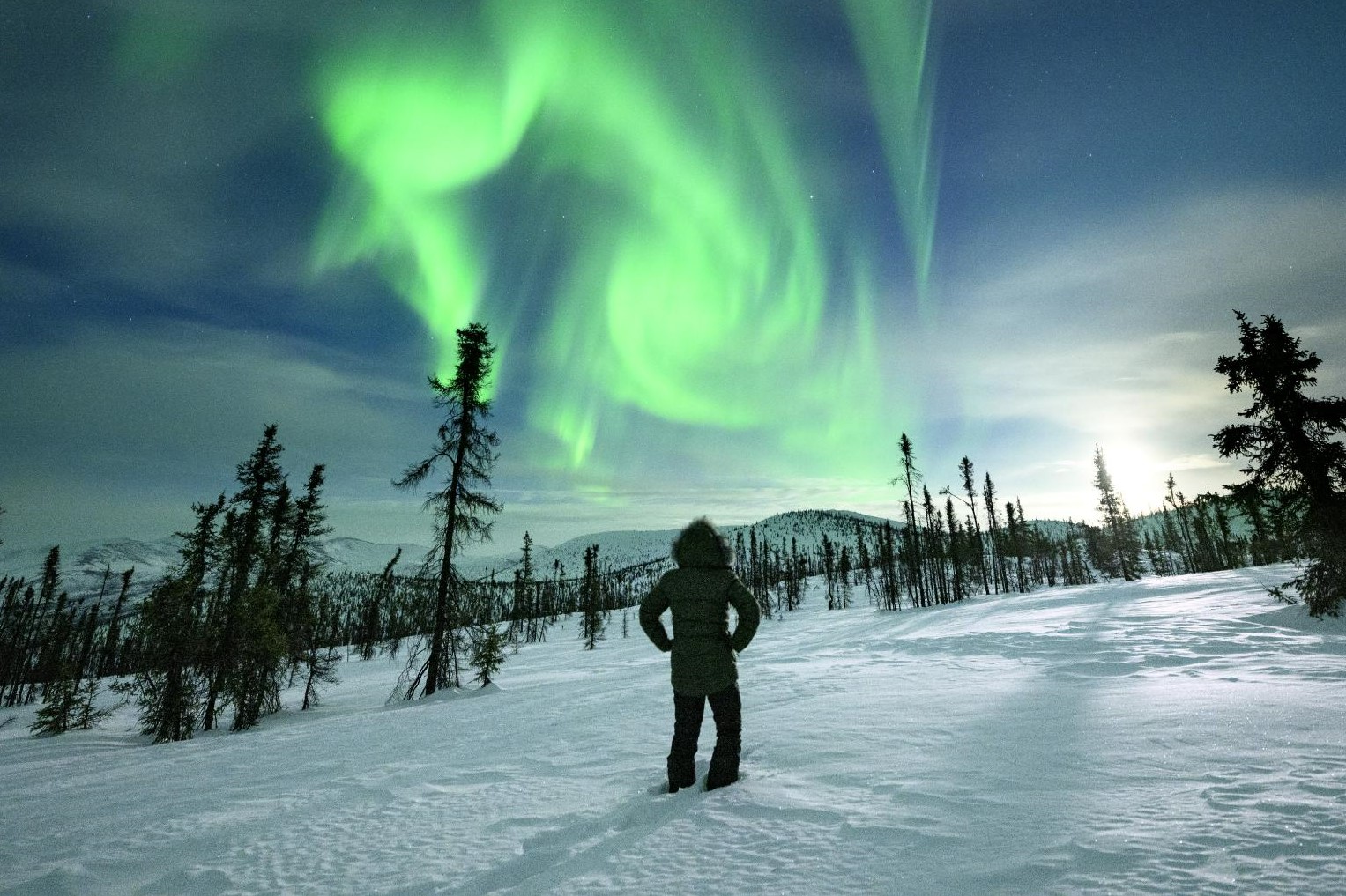
Winter in Alaska runs from October through April, and the experience hinges on daylight. In Fairbanks, December has just 4 hours of daylight; in Anchorage, about 6. The Northern Lights are the headline, visible on clear nights from September to April, peaking around the equinoxes. Outdoor activities like dog mushing, ice fishing, and fat biking are possible, but temperatures can drop to -20°F in the interior, so pack thermal layers, a balaclava, and hand warmers. For a June trip, you’d face the opposite: 22 hours of daylight in Fairbanks, but that’s a different article. If you’re planning a cruise, note that the season runs May through September, with July being the warmest and busiest month.
Lost Spring Basin
Lost Spring Basin is a lesser-known geothermal feature in Alaska’s Katmai region, accessible only by floatplane or a multi-day hike. The basin’s hot springs keep the ground snow-free in winter, creating a steamy oasis amid the frozen landscape. The best time to visit is March or April, when the snow is hard-packed for skiing or snowshoeing in, and the springs are warm enough to soak in. The hike from the nearest lake is about 6 miles round-trip, and the trail is unmarked—locals recommend hiring a guide. In summer, the basin is a muddy slog, and bears are active, so carry bear spray and make noise.
