Wisconsin’s Menominee Nation And Their Land Reclamation Projects
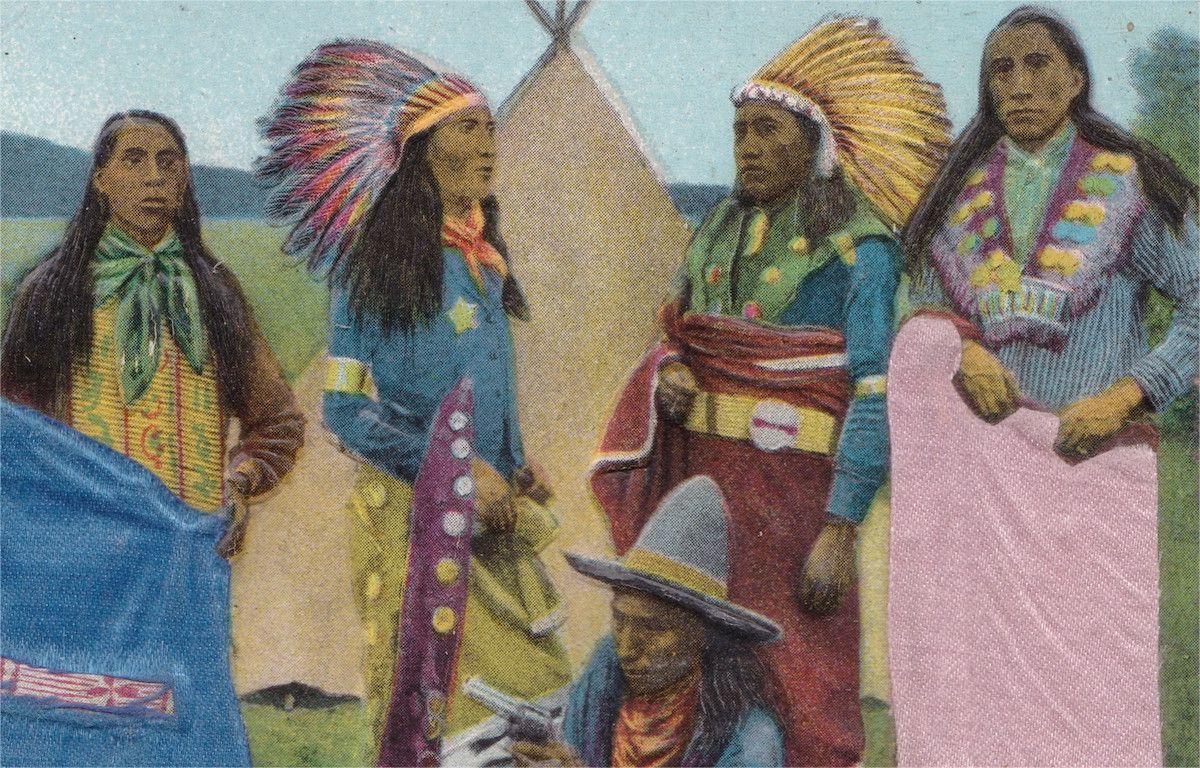
Have you ever wondered how the Menominee Nation of Wisconsin is reclaiming their ancestral lands? This Native American tribe has a rich history and deep connection to their environment. Through various land reclamation projects, they are restoring forests, rivers, and wildlife habitats. These efforts not only honor their heritage but also promote sustainability. By focusing on traditional practices and modern techniques, the Menominee are making significant strides in land conservation. Their work serves as an inspiring example of how indigenous knowledge can lead to successful environmental stewardship. Learn more about the Menominee Nation's journey to reclaim and protect their sacred lands.
The Menominee Nation: A Brief Overview
The Menominee Nation, one of the oldest tribes in North America, has a rich history deeply intertwined with the land they inhabit. Their ancestral lands, located in present-day Wisconsin, are a testament to their resilience and dedication to preserving their heritage.
Land Reclamation: A Vital Mission
For the Menominee, land reclamation isn't just about restoring the environment; it's about reviving their culture and traditions. Here are some key projects that highlight their efforts.
- Menominee Forest Management
The Menominee Nation has managed their forest lands sustainably for over 150 years. This project focuses on maintaining the health of the forest while allowing for economic benefits through timber production. The forest management practices are a model of sustainability, balancing ecological health with economic needs.
- Keshena Falls Restoration
Keshena Falls, a sacred site for the Menominee, has seen significant restoration efforts. The project aims to restore the natural flow of the falls and improve water quality. This not only benefits the local ecosystem but also revitalizes a cultural landmark for the tribe.
- Wild Rice Restoration
Wild rice, or "manoomin," is a staple in Menominee culture. Efforts to restore wild rice beds in local waterways are crucial for both ecological balance and cultural preservation. These projects involve reseeding efforts and water quality improvements to ensure the growth of this vital resource.
Community Involvement in Reclamation Projects
The Menominee Nation believes in the power of community. Their land reclamation projects often involve the participation of tribal members, ensuring that the efforts are rooted in traditional knowledge and practices.
- Community Gardens
Community gardens have sprung up across Menominee lands, providing fresh produce and a space for cultural exchange. These gardens are a way to reconnect with traditional agricultural practices and promote food sovereignty.
- Youth Education Programs
Educating the younger generation about the importance of land reclamation is a priority. Programs that involve youth in hands-on projects, such as tree planting and waterway cleanups, help instill a sense of responsibility and pride in their heritage.
Partnerships and Collaborations
The Menominee Nation has formed partnerships with various organizations to support their land reclamation efforts. These collaborations bring additional resources and expertise to their projects.
- University Collaborations
Partnerships with universities provide access to scientific research and technical expertise. These collaborations help in developing innovative solutions for land reclamation and environmental sustainability.
- Non-Profit Organizations
Working with non-profits allows the Menominee Nation to leverage additional funding and support for their projects. These partnerships often focus on specific areas such as wildlife conservation or water quality improvement.
The Future of Menominee Land Reclamation
The Menominee Nation continues to look forward, planning new projects and initiatives to further their mission of land reclamation. Their efforts serve as an inspiration and a model for other communities seeking to balance environmental stewardship with cultural preservation.
- Renewable Energy Projects
Exploring renewable energy sources is a key focus for future projects. Solar and wind energy initiatives are being considered to reduce reliance on non-renewable resources and promote sustainability.
- Cultural Heritage Sites
Preserving and restoring cultural heritage sites remains a priority. Future projects aim to protect these sites from environmental degradation and ensure they remain accessible for future generations.
- Climate Resilience Initiatives
Adapting to climate change is essential for the Menominee Nation. Projects that enhance climate resilience, such as flood management and drought-resistant agriculture, are being developed to safeguard their lands and way of life.
The Menominee Nation's Inspiring Efforts
The Menominee Nation's land reclamation projects show their deep connection to their ancestral lands. By restoring forests, rivers, and wildlife habitats, they honor their heritage and ensure future generations can thrive. These efforts also highlight the importance of sustainable practices and respecting nature.
Visitors to Wisconsin can witness these projects firsthand. Exploring the Menominee Forest or learning about their sustainable logging practices offers a unique perspective on environmental stewardship. The Menominee Nation's work serves as a powerful example of how communities can reclaim and protect their lands.
Supporting these initiatives means supporting a brighter, greener future. Whether through donations, volunteering, or simply spreading awareness, everyone can play a part. The Menominee Nation's dedication to their land is a testament to their resilience and commitment to preserving their culture and environment.