

Secrets Of Prairie Species Restoration In Wisconsin
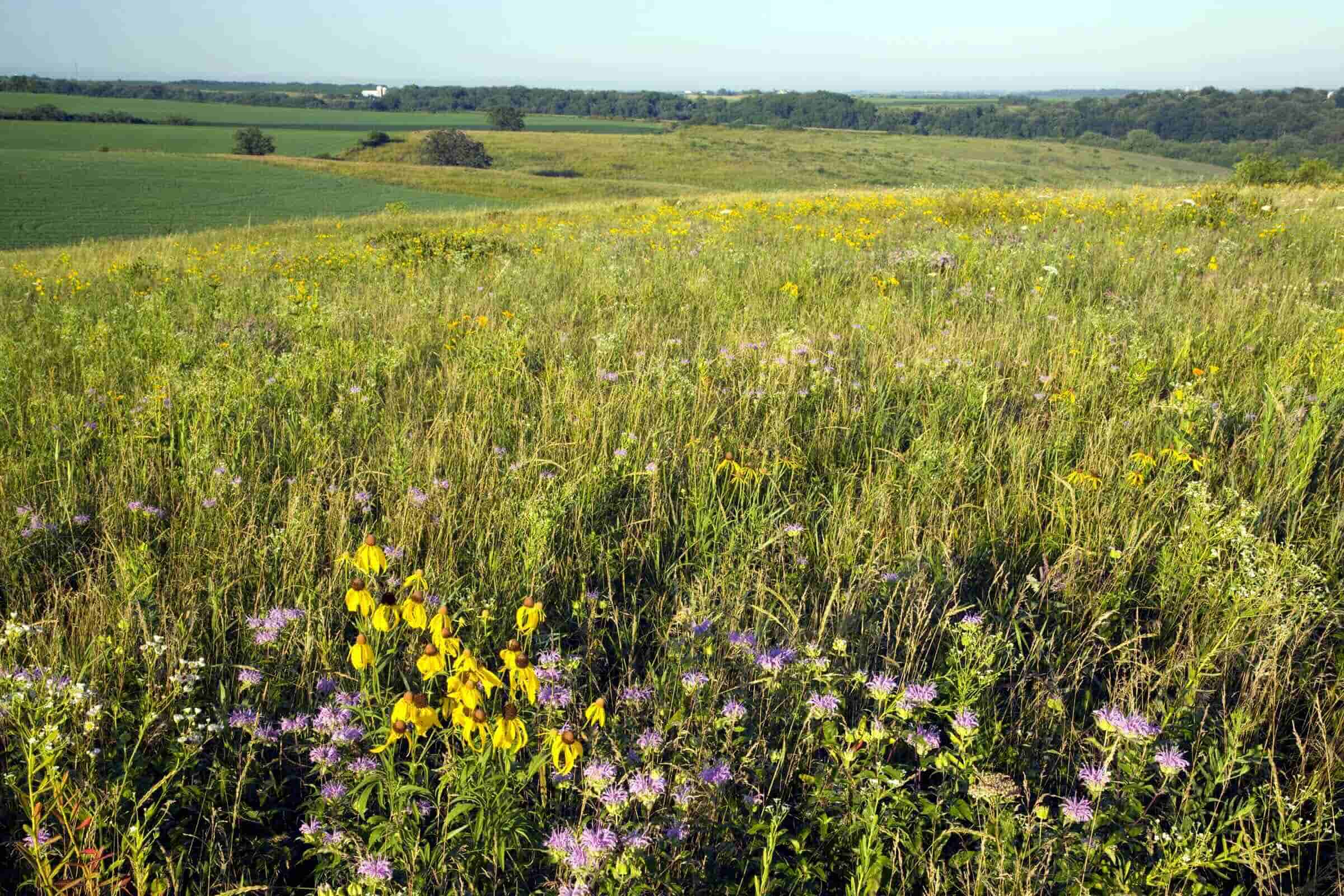
Have you ever wondered how prairie species restoration in Wisconsin works? This process brings back native plants and animals to their original habitats, helping to balance the ecosystem. Restoring prairies involves planting native grasses, flowers, and shrubs. It also means controlling invasive species that threaten these plants. Volunteers and scientists work together to monitor progress and ensure the health of these areas. By doing this, they create a thriving environment for wildlife and improve soil and water quality. Learn how these efforts make a difference in preserving Wisconsin's natural beauty and biodiversity.
Prairie Species Restoration: A Hidden Gem in Wisconsin
Wisconsin's prairies are a treasure trove of biodiversity. Restoring these ecosystems helps preserve native species and maintain ecological balance. Let's uncover some of the best spots in Wisconsin where prairie species restoration is making a significant impact.
1. Pleasant Valley Conservancy State Natural Area
Pleasant Valley Conservancy is a shining example of prairie restoration. This area boasts a diverse range of native plants and wildlife. Volunteers and conservationists work tirelessly to maintain and expand the prairie.
- Location: Near Black Earth, WI
- Highlights: Over 200 native plant species, including rare orchids
- Activities: Guided tours, volunteer opportunities
2. Schurch-Thomson Prairie
Schurch-Thomson Prairie offers a glimpse into Wisconsin's natural heritage. This site is managed by The Prairie Enthusiasts, a group dedicated to preserving native prairies.
- Location: Near Barneveld, WI
- Highlights: Rich in wildflowers and grasses, home to many bird species
- Activities: Bird watching, educational programs
3. Mounds View Grassland
Mounds View Grassland is a restoration success story. This area was once farmland but has been transformed into a thriving prairie ecosystem.
- Location: Near Blue Mounds, WI
- Highlights: Rolling hills, diverse plant life
- Activities: Hiking, photography
4. Spring Green Preserve
Spring Green Preserve is often called the "Wisconsin Desert" due to its sandy soil and unique plant life. Restoration efforts here focus on maintaining the delicate balance of this ecosystem.
- Location: Near Spring Green, WI
- Highlights: Sand prairies, rare plant species
- Activities: Nature walks, educational signage
5. Avoca Prairie and Savanna State Natural Area
Avoca Prairie is one of the largest prairies in Wisconsin. Restoration projects here aim to protect the diverse plant and animal species that call this area home.
- Location: Near Avoca, WI
- Highlights: Extensive prairie and savanna habitats
- Activities: Wildlife observation, hiking trails
6. Chiwaukee Prairie State Natural Area
Chiwaukee Prairie is a coastal gem on the shores of Lake Michigan. Restoration efforts focus on preserving the unique coastal prairie ecosystem.
- Location: Near Pleasant Prairie, WI
- Highlights: Coastal prairies, rare plant communities
- Activities: Beach walks, plant identification
7. Muralt Bluff Prairie State Natural Area
Muralt Bluff Prairie offers stunning views and a rich tapestry of native plants. Restoration projects here aim to maintain the prairie’s natural beauty.
- Location: Near Albany, WI
- Highlights: Scenic bluffs, diverse flora
- Activities: Hiking, scenic overlooks
8. York Prairie State Natural Area
York Prairie is a hidden gem with a rich history of prairie restoration. Efforts here focus on reintroducing native species and controlling invasive plants.
- Location: Near Blanchardville, WI
- Highlights: Restored prairies, educational programs
- Activities: Guided tours, volunteer work
9. Bauer-Brockway Barrens State Natural Area
Bauer-Brockway Barrens is a unique site with sandy soils and open prairies. Restoration efforts aim to protect this rare ecosystem.
- Location: Near Black River Falls, WI
- Highlights: Sandy prairies, rare plant species
- Activities: Nature walks, educational signage
10. Kettle Moraine State Forest
Kettle Moraine State Forest is known for its diverse landscapes, including restored prairies. Conservationists work to maintain these areas for future generations.
- Location: Near Eagle, WI
- Highlights: Rolling hills, diverse ecosystems
- Activities: Hiking, educational programs
The Future of Prairie Restoration in Wisconsin
Prairie restoration in Wisconsin holds promise for the future. Efforts to bring back native species like big bluestem, purple coneflower, and prairie clover are showing positive results. Volunteers, scientists, and local communities play a crucial role in these projects. Their dedication helps restore the natural beauty and biodiversity of the region.
Challenges remain, such as invasive species and climate change. However, ongoing research and adaptive management strategies offer hope. By continuing to support these initiatives, we can ensure that Wisconsin's prairies thrive for generations to come.
Engaging in local restoration projects or simply spreading awareness can make a difference. Every small action contributes to the larger goal of preserving these vital ecosystems. The future of Wisconsin's prairies looks bright with continued effort and community involvement.
