

Secrets Of West Virginia’s Ghost Furnaces
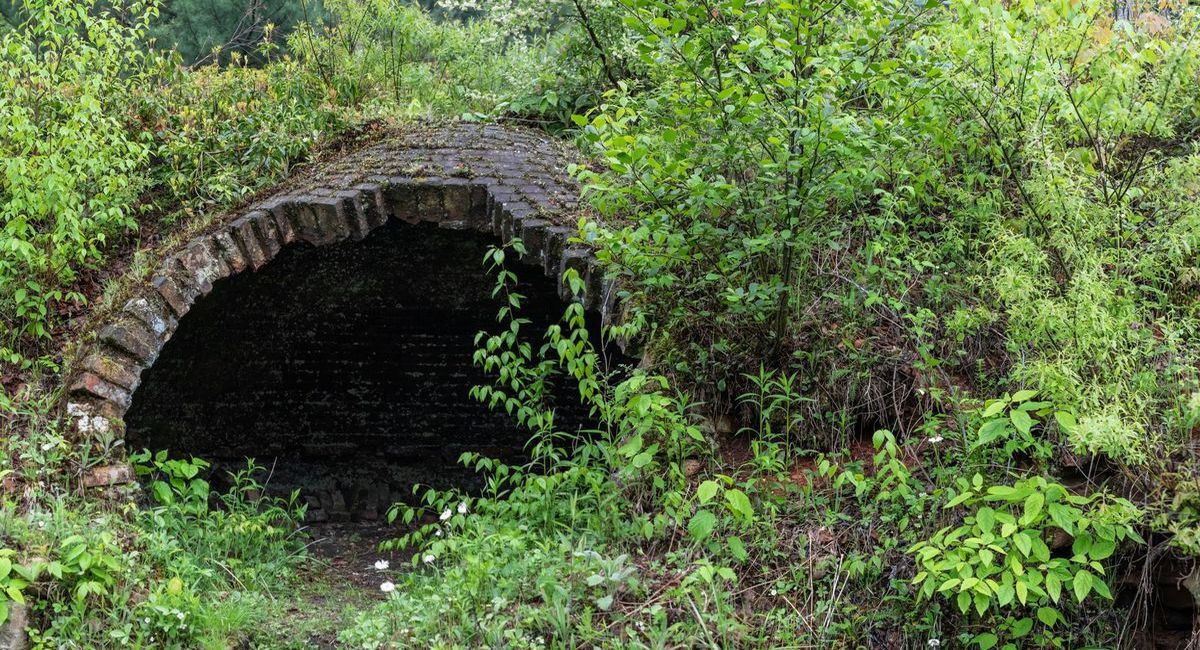
Have you ever wondered about the ghost furnaces of West Virginia? These eerie, abandoned structures once played a vital role in the state's iron industry. Hidden deep in the forests, they now stand as silent reminders of a bygone era. Visiting these sites offers a unique glimpse into history and a chance to explore nature. Imagine walking through dense woods and suddenly stumbling upon a towering stone furnace, covered in moss and vines. It's like stepping back in time. Whether you're a history buff or just love a good adventure, these ghost furnaces are worth the trip. Ready to learn more?
Secrets of West Virginia's Ghost Furnaces
West Virginia, known for its rugged landscapes and rich history, hides a fascinating secret: ghost furnaces. These relics of the past tell stories of industry, ambition, and abandonment. Let's uncover the secrets of these eerie structures.
What Are Ghost Furnaces?
Ghost furnaces are abandoned iron furnaces from the 19th century. Once bustling with activity, they now stand silent, overgrown, and forgotten. These structures were vital to the iron industry, producing the metal that fueled America's growth. Today, they offer a glimpse into a bygone era.
Why Visit Ghost Furnaces?
Visiting ghost furnaces is like stepping back in time. These sites are perfect for history buffs, photographers, and adventurers. Each furnace has its own story, waiting to be discovered. Plus, they are often located in beautiful, remote areas, making the journey as rewarding as the destination.
Top Ghost Furnaces in West Virginia
1. Henry Clay Iron Furnace
Located in Coopers Rock State Forest, the Henry Clay Iron Furnace is a well-preserved example of 19th-century iron production. Built in the 1830s, it operated until the 1860s. Today, visitors can hike to the furnace and explore the surrounding forest.
2. Bloomery Iron Furnace
The Bloomery Iron Furnace, found in Hampshire County, dates back to the early 1800s. This furnace played a crucial role in the local economy, producing iron for tools and construction. Though partially collapsed, it remains a fascinating site for history enthusiasts.
3. Laurel Furnace
Nestled in the hills of Wayne County, Laurel Furnace operated from 1849 to 1875. It produced pig iron, which was then shipped to larger cities. The furnace's ruins are accessible via a short hike, offering a peaceful yet eerie experience.
4. Peter Tarr Furnace
Peter Tarr Furnace, located in Hancock County, is one of the oldest in the state. Built in 1794, it supplied iron for the War of 1812. The site includes interpretive signs, making it an educational stop for visitors.
5. Jackson Iron Furnace
Jackson Iron Furnace, situated in Jackson County, operated from 1836 to 1861. This furnace produced iron for the burgeoning railroad industry. Though overgrown, the ruins are still visible and provide a hauntingly beautiful scene.
6. Buffalo Furnace
Buffalo Furnace, found in Putnam County, was built in 1833 and operated until the Civil War. It produced iron for local blacksmiths and industries. The site is now part of a nature preserve, combining history with natural beauty.
7. Cheat River Furnace
Located near the Cheat River, this furnace was active in the mid-1800s. It produced iron for various industries, including the railroad. The ruins are accessible via a scenic hike, offering stunning views of the river and surrounding forest.
8. Kanawha Iron Furnace
Kanawha Iron Furnace, in Kanawha County, operated from 1832 to 1860. It played a significant role in the local economy, producing iron for tools, construction, and transportation. The site is now a popular spot for hikers and history buffs.
9. Valley Furnace
Valley Furnace, located in Preston County, dates back to the 1830s. It produced iron for local industries and the military. The ruins are well-preserved, making it a fascinating stop for those interested in industrial history.
10. Greenbrier Furnace
Greenbrier Furnace, found in Greenbrier County, operated from 1837 to 1865. It produced iron for various uses, including the construction of the Chesapeake and Ohio Canal. The site is now part of a state park, offering a mix of history and outdoor recreation.
Discovering West Virginia's Ghost Furnaces
West Virginia's ghost furnaces offer a unique glimpse into the past. These historic sites, hidden in the Appalachian landscape, tell stories of industry, hard work, and community. Exploring these remnants provides a tangible connection to the region's rich history. Whether you're a history buff, a nature lover, or just curious, visiting these ghost furnaces can be a rewarding experience. Remember to respect the sites and preserve their integrity for future generations. The blend of natural beauty and historical significance makes West Virginia's ghost furnaces a must-see. So pack your hiking boots, grab a camera, and set out to uncover these hidden gems. The adventure promises both education and inspiration, making it a perfect outing for anyone interested in America's industrial heritage.
