

Secrets Of Washington’s Forest Research Centers
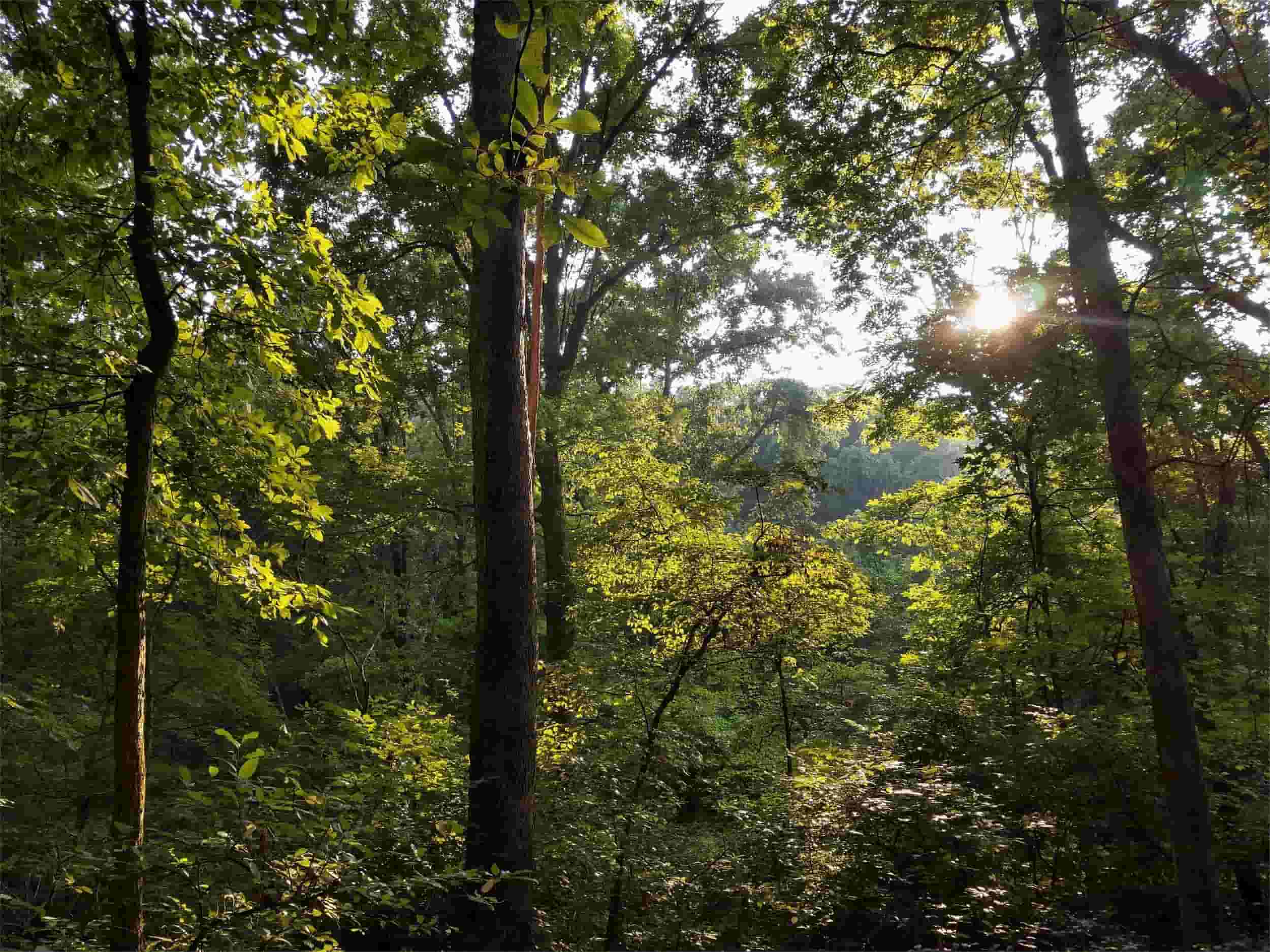
Have you ever wondered what goes on inside Washington's forest research centers? These places are like hidden gems, filled with scientists and researchers working to understand and protect our forests. From studying tree growth to monitoring wildlife, these centers play a crucial role in preserving nature. They also help us learn how to manage forests better, ensuring they stay healthy for future generations. Whether you're a nature lover or just curious about science, there's something fascinating about the work being done here. Let's take a closer look at the secrets behind Washington's forest research centers and why they matter so much.
Washington's Forest Research Centers: A Hidden Gem
Washington State is home to some of the most beautiful forests in the country. But did you know it's also a hub for forest research? These centers are crucial for studying ecosystems, wildlife, and sustainable forestry practices. Let's take a look at some of the most fascinating forest research centers in Washington.
1. Olympic Natural Resources Center
Located on the Olympic Peninsula, this center focuses on sustainable forest management and aquatic ecosystems. Researchers here study everything from salmon habitats to the impact of climate change on local forests.
2. Wind River Experimental Forest
Nestled in the Gifford Pinchot National Forest, Wind River is one of the oldest experimental forests in the U.S. It offers a unique opportunity to study old-growth forests and their role in carbon sequestration. This center is a must-visit for anyone interested in forest ecology.
3. Pack Forest
Pack Forest, managed by the University of Washington, serves as a living laboratory for students and researchers. It covers over 4,000 acres and focuses on sustainable forestry practices. The center also offers educational programs for the public, making it a great place for a family outing.
4. Cedar River Watershed Education Center
Located near North Bend, this center is dedicated to protecting the Cedar River Watershed, which supplies drinking water to Seattle. Researchers here study water quality, forest health, and wildlife. The center also offers interactive exhibits and guided tours.
5. Mount Rainier Institute
Situated within Mount Rainier National Park, this institute provides immersive educational experiences focused on environmental science. Researchers and students study the park's diverse ecosystems, from alpine meadows to ancient forests. It's an ideal spot for hands-on learning.
6. WSU Puyallup Research and Extension Center
This center, part of Washington State University, focuses on urban forestry and sustainable agriculture. Researchers here work on projects ranging from pest management to soil health. The center also offers workshops and training programs for local communities.
7. Charles Lathrop Pack Experimental Forest
Another gem managed by the University of Washington, this forest is located near Eatonville. It serves as a research site for studying forest management, wildlife habitats, and the effects of climate change. The forest is also open to the public for hiking and educational tours.
8. Olympic Experimental State Forest
This forest is a unique blend of state and private lands managed for both timber production and ecological research. Located on the Olympic Peninsula, it offers a diverse range of habitats, from coastal rainforests to alpine meadows. Researchers here focus on sustainable forestry and biodiversity conservation.
9. Colville National Forest
Located in northeastern Washington, Colville National Forest is a hotspot for research on forest health and wildfire management. The forest's diverse landscapes provide a rich field for studying everything from tree diseases to wildlife habitats. It's a vital resource for understanding forest dynamics in the region.
10. Tahoma State Forest
Managed by the Washington State Department of Natural Resources, Tahoma State Forest is a key site for studying sustainable timber harvesting and forest restoration. Researchers here work on projects aimed at balancing economic needs with environmental conservation. The forest is also a popular spot for outdoor recreation, offering hiking, camping, and wildlife viewing opportunities.
11. Snoqualmie Forest
This privately-owned forest is managed for both timber production and conservation. Researchers here study sustainable forestry practices, wildlife habitats, and water quality. The forest is also a popular destination for outdoor enthusiasts, offering miles of trails for hiking, biking, and horseback riding.
12. Capitol State Forest
Located near Olympia, Capitol State Forest is a hub for research on forest management and recreation. Researchers here focus on sustainable timber harvesting, wildlife habitats, and the impact of recreational activities on forest ecosystems. The forest offers a variety of outdoor activities, including hiking, mountain biking, and off-road vehicle trails.
Washington's Forest Research Centers: A Hidden Gem
Washington's forest research centers offer a unique glimpse into the state's rich natural heritage. These centers are not just about trees; they are about understanding ecosystems, wildlife, and the intricate balance of nature. Visiting these centers provides a deeper appreciation for conservation efforts and the science behind them. Whether you're a nature enthusiast, a student, or just curious, these centers have something valuable to offer. From interactive exhibits to guided tours, there's plenty to explore and learn. Next time you're in Washington, consider adding a forest research center to your itinerary. It's an experience that combines education, adventure, and a newfound respect for the natural world. Washington's forests are more than just beautiful landscapes; they are living laboratories that help us understand and protect our environment.
