

Secrets Of Washington’s Forest Climate Science
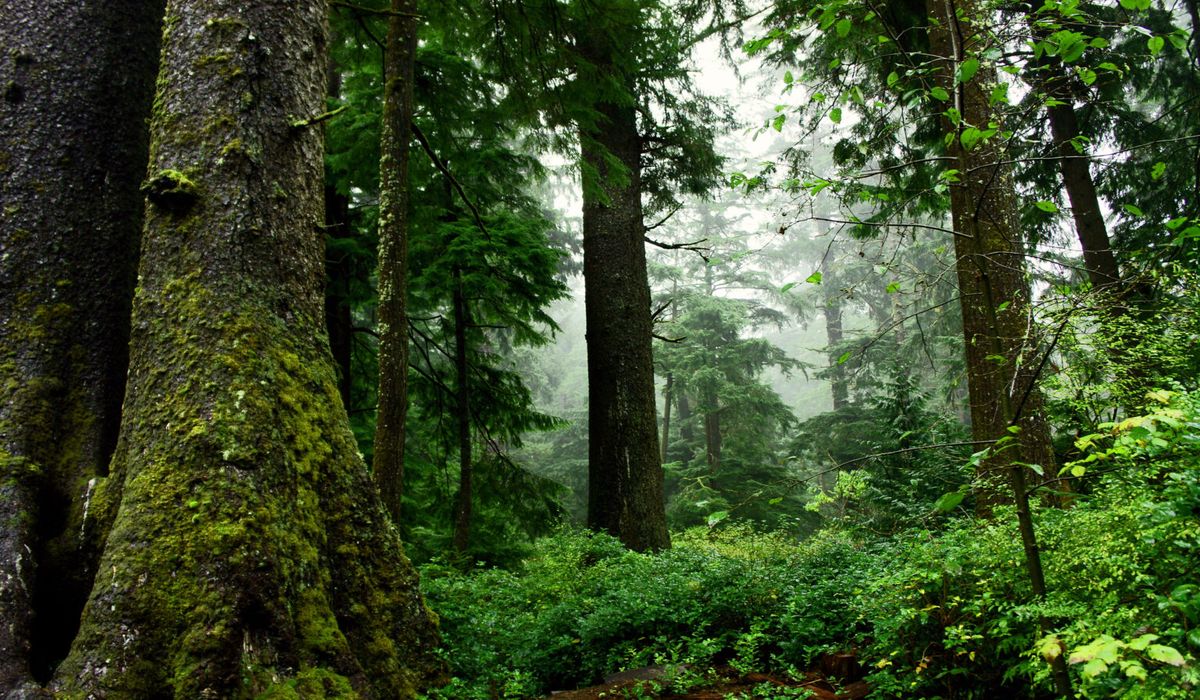
Ever wondered why Washington's forests are so lush and green? The secret lies in the forest climate science of this region. Washington's unique mix of coastal and mountainous terrain creates a variety of microclimates. These microclimates support diverse ecosystems, from temperate rainforests to dry pine forests. Rainfall patterns, temperature variations, and soil types all play crucial roles in shaping these environments. Understanding the science behind these forests helps us appreciate their beauty and importance. Dive into the fascinating world of Washington's forest climate science and discover what makes these landscapes so special.
Secrets of Washington's Forest Climate Science
Washington's forests are more than just beautiful landscapes. They are living laboratories where scientists study climate change, biodiversity, and ecosystem health. Let's dive into some of the key places where this important work happens.
Olympic National Park
Olympic National Park is a treasure trove of biodiversity and a hotspot for climate research. Scientists here study everything from ancient trees to delicate mosses.
- Hoh Rain Forest: Known for its lush, green canopy, this temperate rain forest provides insights into how climate change affects precipitation patterns and plant growth.
- Hurricane Ridge: Offers a unique vantage point to study alpine ecosystems and how they respond to changing temperatures.
- Elwha River: The site of one of the largest dam removal projects in U.S. history, providing valuable data on river restoration and its impact on local ecosystems.
Mount Rainier National Park
Mount Rainier's towering presence isn't just a stunning backdrop; it's a critical area for studying glacial melt and its effects on water resources.
- Paradise: This area is a key site for monitoring snowpack levels, which are crucial for understanding water availability in the region.
- Carbon Glacier: One of the largest glaciers in the contiguous United States, offering a unique opportunity to study glacial dynamics and their impact on downstream ecosystems.
- Ohanapecosh: Known for its old-growth forests, this area helps scientists understand the role of ancient trees in carbon sequestration.
North Cascades National Park
North Cascades is a rugged, remote area that provides a pristine environment for studying untouched ecosystems and climate impacts.
- Ross Lake: A focal point for research on aquatic ecosystems and how they are affected by climate change.
- Diablo Lake: Offers insights into the effects of glacial melt on freshwater systems.
- Cascade Pass: A critical area for studying alpine flora and fauna and how they adapt to changing conditions.
Gifford Pinchot National Forest
Named after the first Chief of the U.S. Forest Service, this forest is a living laboratory for sustainable forestry practices and climate research.
- Mount St. Helens: The site of the 1980 volcanic eruption, providing a unique opportunity to study ecological recovery and resilience.
- Goat Rocks Wilderness: Offers a diverse range of habitats for studying the impacts of climate change on different ecosystems.
- Lewis River: A key area for research on riparian ecosystems and their role in maintaining water quality.
Colville National Forest
Colville National Forest is a lesser-known gem that offers valuable insights into forest management and climate adaptation.
- Salmo-Priest Wilderness: A remote area that helps scientists understand the impacts of climate change on wilderness ecosystems.
- Kettle River Range: Provides data on how different tree species adapt to changing climate conditions.
- Sherman Pass: The highest drivable pass in Washington, offering a unique perspective on how elevation affects climate and vegetation.
Conclusion
Washington's forests are not just scenic wonders; they are vital research sites that help us understand the complexities of climate science. From the lush rainforests of Olympic National Park to the rugged peaks of the North Cascades, these areas provide invaluable data that can help us protect our planet for future generations.
Embracing Washington's Forest Climate Science
Washington's forests hold a wealth of knowledge about climate science. These lush landscapes offer insights into how ecosystems adapt to changing conditions. By studying tree rings, soil samples, and wildlife patterns, scientists can predict future climate trends. This research helps in crafting strategies to protect these vital ecosystems.
Visitors to Washington can witness this science in action. Trails and parks provide opportunities to see diverse flora and fauna. Educational programs and guided tours offer deeper understanding of the ongoing research.
Protecting these forests is crucial. They not only support biodiversity but also play a role in carbon sequestration. Efforts to preserve them benefit both the environment and future generations.
Washington's forests are more than just beautiful landscapes. They are living laboratories that teach us about our planet's past, present, and future. Embrace the knowledge they offer and support conservation efforts.
