

Secrets Of Washington’s Ancient Petroglyphs
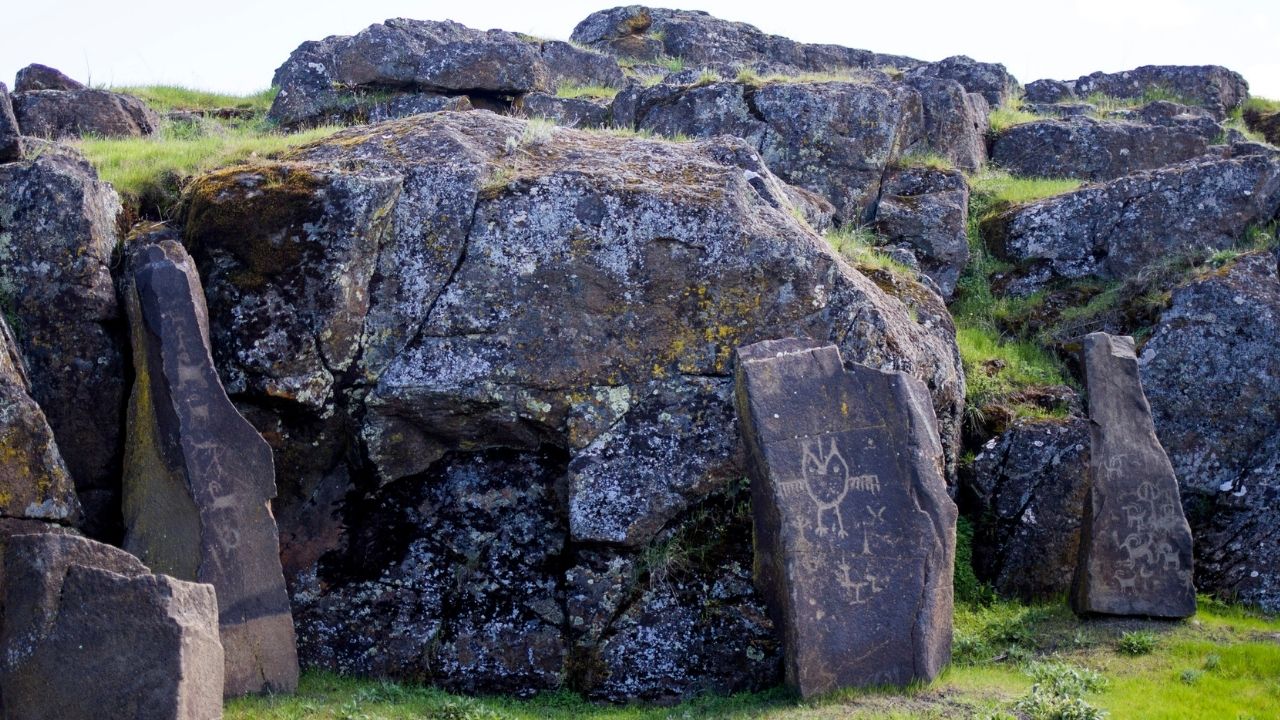
Have you ever wondered about the stories carved into rocks by ancient hands? Washington's ancient petroglyphs hold secrets from long ago, etched into stone by Native American tribes. These fascinating rock carvings offer glimpses into the past, revealing tales of daily life, spiritual beliefs, and cultural practices. Visiting these sites feels like stepping back in time, connecting with the people who once roamed these lands. Whether you're a history buff or just curious, exploring these ancient artworks can be a thrilling adventure. Ready to uncover the mysteries of Washington's petroglyphs? Let's dive into the rich history and significance of these remarkable carvings.
Discovering Washington's Ancient Petroglyphs
Washington State holds a treasure of ancient petroglyphs, offering a glimpse into the lives of its early inhabitants. These rock carvings, etched by Native American tribes, tell stories of their culture, beliefs, and daily activities. Let's explore some of the most fascinating petroglyph sites in Washington.
Columbia Hills State Park
Columbia Hills State Park, located along the Columbia River, is home to numerous petroglyphs and pictographs. These ancient carvings are believed to be thousands of years old, created by the indigenous peoples of the region.
She Who Watches: This famous petroglyph depicts a female figure with large eyes, believed to be a guardian spirit. The carving is also known as Tsagaglalal, which means "She Who Watches" in the local Native American language.
Horsethief Lake: This area within the park features a collection of petroglyphs and pictographs, including images of animals, humans, and abstract designs. The site offers guided tours to help visitors understand the significance of these ancient artworks.
Ginkgo Petrified Forest State Park
Ginkgo Petrified Forest State Park, located near Vantage, Washington, is known for its petrified wood and ancient petroglyphs. The park offers a unique combination of geological and cultural history.
Ginkgo Interpretive Center: The center houses several petroglyphs that were relocated from their original sites to protect them from vandalism. Visitors can view these carvings up close and learn about their history and significance.
Trail of the Ancient Trees: This trail features interpretive signs that explain the history of the petrified wood and petroglyphs found in the area. The trail offers a scenic hike with views of the Columbia River and the surrounding landscape.
Mount Rainier National Park
Mount Rainier National Park is not only known for its stunning natural beauty but also for its ancient petroglyphs. These carvings provide insight into the lives of the Native American tribes who once inhabited the area.
Ohanapecosh Hot Springs: Near the Ohanapecosh Hot Springs, visitors can find petroglyphs carved into the rocks. These carvings depict various symbols and figures, offering a glimpse into the spiritual beliefs of the region's early inhabitants.
Longmire Historic District: This area within the park features several petroglyphs, including images of animals and abstract designs. The petroglyphs are believed to be several hundred years old, created by the ancestors of the local Native American tribes.
San Juan Islands
The San Juan Islands, located in the northwest corner of Washington State, are home to several ancient petroglyph sites. These carvings provide a unique perspective on the maritime culture of the region's early inhabitants.
Sucia Island: Sucia Island State Park features several petroglyphs carved into the sandstone cliffs. These carvings include images of marine life, human figures, and abstract designs, reflecting the maritime culture of the region's early inhabitants.
Patos Island: Patos Island, another island in the San Juan archipelago, is home to several petroglyphs. These carvings depict various symbols and figures, offering a glimpse into the spiritual beliefs and daily activities of the region's early inhabitants.
Lake Roosevelt National Recreation Area
Lake Roosevelt National Recreation Area, located in northeastern Washington, is home to several ancient petroglyph sites. These carvings provide insight into the lives of the Native American tribes who once inhabited the area.
Kettle Falls: Near Kettle Falls, visitors can find several petroglyphs carved into the rocks along the Columbia River. These carvings depict various symbols and figures, offering a glimpse into the spiritual beliefs and daily activities of the region's early inhabitants.
Fort Spokane: This historic site within the recreation area features several petroglyphs, including images of animals and abstract designs. The petroglyphs are believed to be several hundred years old, created by the ancestors of the local Native American tribes.
Discovering Washington's Hidden History
Washington's ancient petroglyphs offer a unique glimpse into the past. These carvings, etched into stone by indigenous peoples, tell stories of their lives, beliefs, and surroundings. Visiting sites like Columbia Hills State Park or the San Juan Islands allows you to connect with this rich history firsthand.
Exploring these petroglyphs not only provides insight into ancient cultures but also highlights the importance of preserving these historical treasures. Respecting these sites ensures that future generations can learn from and appreciate them.
Whether you're a history buff, a nature lover, or just curious, Washington's petroglyphs are worth the visit. They remind us of the deep roots and diverse heritage that shape our world today. So next time you're in Washington, take a moment to step back in time and experience the stories carved in stone.
