

Secrets Of Climate Monitoring In Washington’s H.J. Andrews Forest
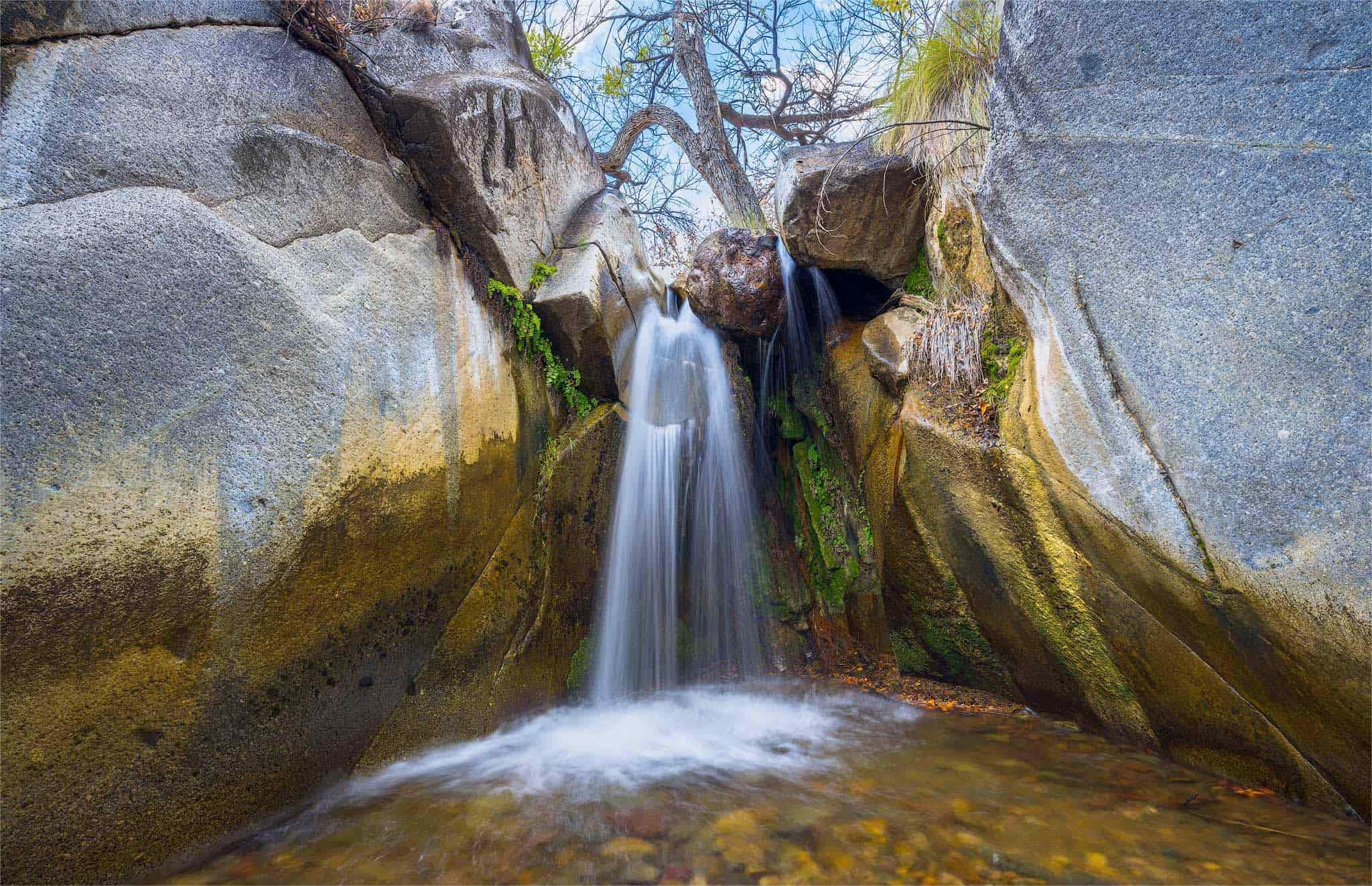
Have you ever wondered how scientists keep track of climate changes in forests? In Washington's H.J. Andrews Forest, researchers use advanced tools to monitor weather patterns, tree growth, and soil conditions. This forest, part of the Long-Term Ecological Research Network, provides valuable data on how ecosystems respond to climate shifts. By studying this forest, scientists can predict future changes and help protect our natural world. Whether you're a nature lover or just curious about environmental science, learning about climate monitoring in the H.J. Andrews Forest offers a fascinating glimpse into the efforts to understand and preserve our planet.
Secrets of Climate Monitoring in Washington's H.J. Andrews Forest
Nestled in the heart of the Pacific Northwest, the H.J. Andrews Forest is a living laboratory for climate research. Scientists have been studying this lush, green expanse for decades, uncovering secrets about climate change, forest ecosystems, and more. Let's dive into some key spots within this forest that are crucial for climate monitoring.
Research Sites in H.J. Andrews Forest
The H.J. Andrews Forest is dotted with various research sites, each playing a unique role in understanding climate dynamics. These sites are equipped with advanced instruments to gather data on temperature, precipitation, and other vital metrics.
Watershed 1
Watershed 1 is a critical area for hydrological studies. Researchers monitor streamflow, water quality, and sediment transport here. This data helps understand how climate change impacts water resources.Primary Meteorological Station
This station is the nerve center for climate data collection. It records temperature, humidity, wind speed, and solar radiation. The information gathered here is essential for modeling climate patterns.Lookout Creek Old-Growth Site
This site focuses on the impact of climate change on old-growth forests. Researchers study tree growth, carbon storage, and biodiversity. The findings help predict how ancient forests will fare in a warming world.
Unique Instruments and Technologies
Advanced technology plays a pivotal role in climate monitoring. The H.J. Andrews Forest employs a range of instruments to collect precise and continuous data.
LIDAR Scanning
LIDAR (Light Detection and Ranging) technology creates detailed 3D maps of the forest canopy. These maps help scientists understand forest structure and biomass, crucial for carbon cycle studies.Soil Moisture Sensors
These sensors measure soil moisture levels at various depths. This data is vital for understanding how climate change affects soil health and plant growth.Automated Weather Stations
Scattered throughout the forest, these stations provide real-time weather data. They help track microclimates within the forest, offering insights into localized climate variations.
Long-Term Ecological Research (LTER)
The H.J. Andrews Forest is part of the Long-Term Ecological Research network, a program that supports long-term studies of ecological processes.
Forest Dynamics Plots
These plots are monitored over decades to study changes in forest composition and structure. Researchers track tree growth, mortality, and regeneration, providing a long-term perspective on forest health.Stream Gauging Stations
These stations measure streamflow and water quality continuously. The data helps understand how climate change affects aquatic ecosystems and water availability.Climate Gradient Studies
Researchers study how climate varies across different elevations and aspects within the forest. This helps predict how different parts of the forest will respond to climate change.
Collaborative Research and Education
Collaboration and education are key components of the research conducted in the H.J. Andrews Forest. Scientists work together and share their findings with the broader community.
Field Schools and Workshops
The forest hosts field schools and workshops for students, educators, and researchers. These programs provide hands-on experience in climate monitoring and ecological research.Citizen Science Projects
Local communities participate in data collection and monitoring efforts. Citizen science projects help raise awareness about climate change and involve the public in scientific research.Interdisciplinary Research Teams
Scientists from various disciplines collaborate on research projects. This interdisciplinary approach leads to a more comprehensive understanding of climate change impacts.
The H.J. Andrews Forest is a treasure trove of knowledge, offering invaluable insights into climate dynamics and forest ecosystems. Through continuous monitoring and research, scientists are uncovering the secrets of this remarkable forest, helping us better understand and respond to the challenges of climate change.
The Importance of Climate Monitoring in H.J. Andrews Forest
Climate monitoring in H.J. Andrews Forest plays a crucial role in understanding environmental changes. This forest serves as a living laboratory, providing valuable data on temperature, precipitation, and biodiversity. Researchers use this information to track climate trends, study ecosystem responses, and develop strategies for conservation.
The insights gained here help predict future climate scenarios and guide policy decisions. By monitoring this forest, scientists can better understand the broader impacts of climate change on forests worldwide. This knowledge is essential for creating effective conservation plans and ensuring the health of our planet.
In short, the work done in H.J. Andrews Forest is vital for both local and global environmental efforts. It highlights the need for continued research and investment in climate monitoring to protect our natural world.
