

Secrets Of Carbon Capture In Washington’s Pack Forest
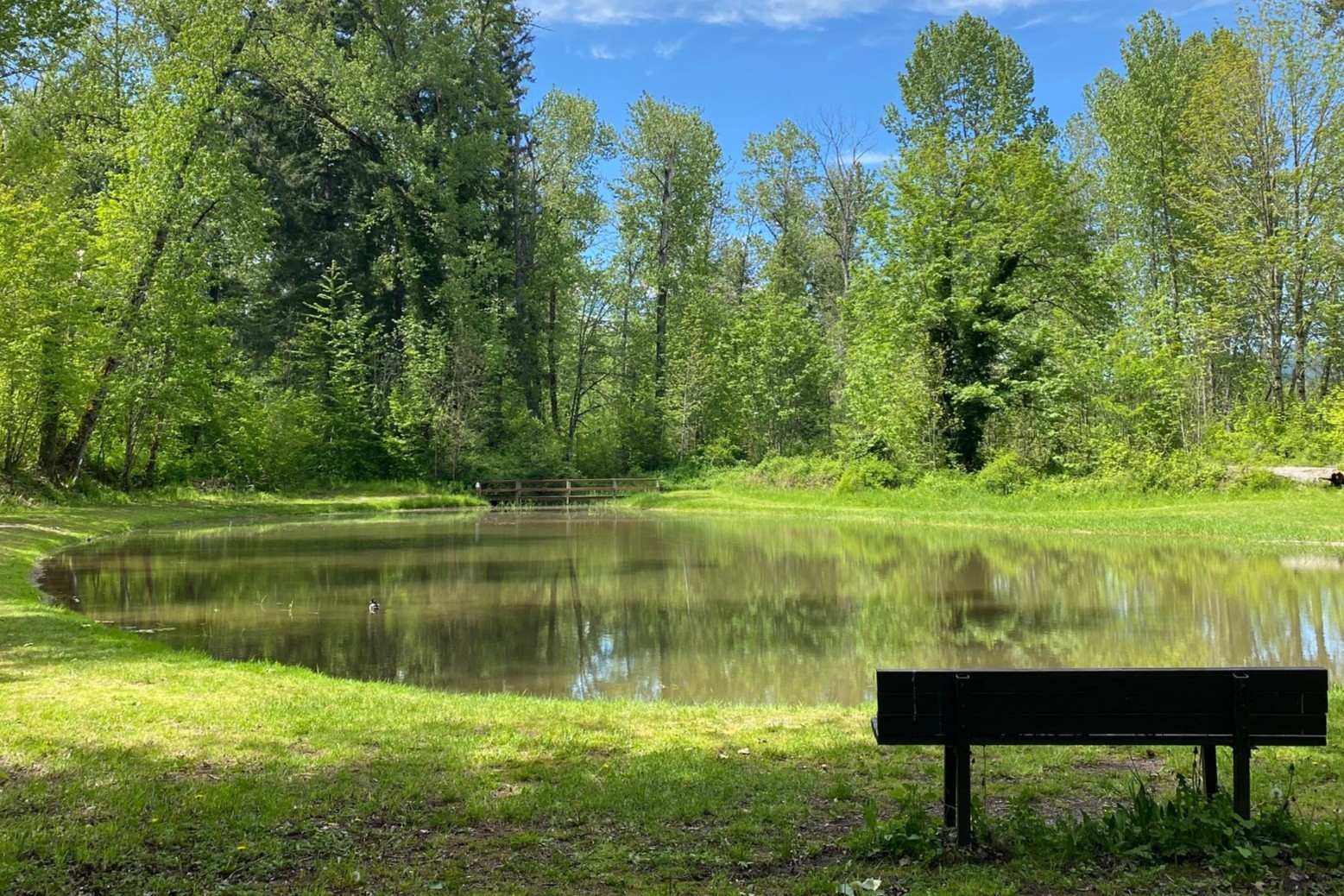
Have you ever wondered how forests help fight climate change? Pack Forest in Washington is a great example. This forest isn't just a beautiful place to hike; it's also a key player in carbon capture. Trees in Pack Forest absorb carbon dioxide from the air, storing it in their trunks, branches, and roots. This process helps reduce the amount of greenhouse gases in our atmosphere. Scientists study these trees to understand how we can use forests to combat climate change more effectively. Next time you visit, remember that you're walking through one of nature's best tools for keeping our planet healthy.
Secrets of Carbon Capture in Washington's Pack Forest
Washington's Pack Forest is a hidden gem, rich in natural beauty and scientific intrigue. One of its most fascinating aspects is its role in carbon capture. This forest is not just a haven for hikers and nature lovers but also a living laboratory for understanding how trees and plants can help combat climate change. Let's uncover some secrets of carbon capture in this lush landscape.
The Role of Trees in Carbon Sequestration
Trees are nature's carbon sinks. They absorb carbon dioxide from the atmosphere and store it in their trunks, branches, and roots. Pack Forest is home to a variety of tree species, each playing a unique role in carbon sequestration.
Douglas Fir: This iconic tree is not only a symbol of the Pacific Northwest but also a powerhouse in carbon capture. Its large size and long lifespan make it exceptionally efficient at storing carbon.
Western Hemlock: Known for its shade tolerance, the Western Hemlock thrives in the understory of Pack Forest. It may not grow as large as the Douglas Fir, but its dense foliage contributes significantly to carbon absorption.
Red Alder: Often found along streams and wet areas, the Red Alder is a nitrogen-fixing tree. This means it enriches the soil, promoting the growth of other plants that also capture carbon.
The Importance of Soil in Carbon Storage
While trees get most of the attention, soil plays a crucial role in carbon storage. The rich, dark soil of Pack Forest is teeming with microorganisms that help decompose organic matter, turning it into stable carbon compounds.
Forest Floor Litter: The layer of leaves, twigs, and other organic material on the forest floor is a significant carbon reservoir. As this litter decomposes, it releases nutrients back into the soil, enhancing its carbon storage capacity.
Mycorrhizal Networks: These underground fungal networks connect tree roots, facilitating nutrient exchange and carbon storage. They are an essential part of the forest's carbon capture system.
Human Impact and Conservation Efforts
Human activities can either enhance or hinder the forest's ability to capture carbon. Conservation efforts in Pack Forest aim to protect and restore this vital ecosystem.
Sustainable Logging: Controlled logging practices ensure that tree removal is balanced with replanting efforts. This maintains the forest's carbon balance while providing resources for human use.
Invasive Species Management: Invasive plants can disrupt the natural balance of the forest, reducing its carbon capture efficiency. Efforts to control these species help maintain the health of the ecosystem.
Research and Monitoring: Ongoing scientific studies in Pack Forest provide valuable data on carbon capture processes. This research informs conservation strategies and helps predict the forest's response to climate change.
The Future of Carbon Capture in Pack Forest
The future of carbon capture in Pack Forest looks promising, thanks to ongoing research and conservation efforts. By understanding and protecting this unique ecosystem, we can enhance its ability to combat climate change.
Climate-Resilient Species: Researchers are exploring the potential of planting tree species that are more resilient to climate change. These trees could enhance the forest's carbon capture capabilities in the face of changing environmental conditions.
Community Involvement: Local communities play a vital role in conservation efforts. Educational programs and volunteer opportunities encourage public participation in protecting Pack Forest.
Pack Forest is more than just a beautiful place to visit. It is a vital part of our planet's carbon capture system, offering valuable lessons in sustainability and conservation.
The Future of Carbon Capture in Pack Forest
Pack Forest stands as a testament to the power of carbon capture. This lush area not only provides a haven for wildlife but also plays a crucial role in combating climate change. The trees here absorb significant amounts of carbon dioxide, helping to reduce greenhouse gases in the atmosphere.
Visitors can witness firsthand how nature and science work together. Educational programs and guided tours offer insights into the forest's role in carbon sequestration. Supporting these efforts can make a real difference.
By visiting Pack Forest, you contribute to ongoing research and conservation. Every step taken in this forest helps in the fight against climate change. So next time you're planning a trip, consider a visit to Pack Forest. It's a small step with a big impact on our planet's future.
