

Hidden Insights Of Washington’s Marine Mammal Laboratory
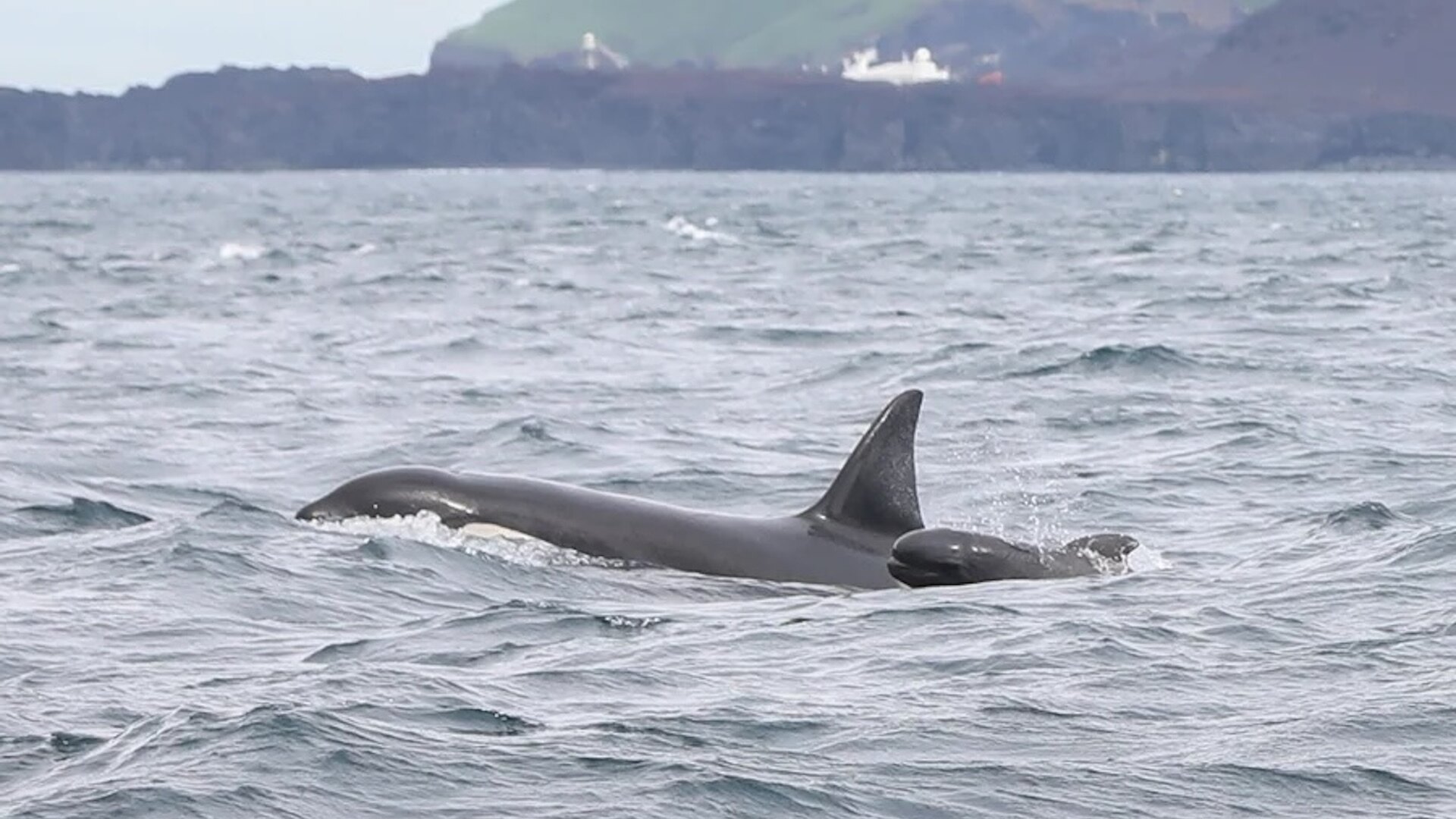
Have you ever wondered what goes on at the Washington Marine Mammal Laboratory? This place is a hub of activity, where scientists study whales, dolphins, and seals. They track migration patterns, monitor health, and even listen to underwater sounds. It's like a detective agency for marine life! The lab's work helps protect these amazing creatures and their habitats. If you're curious about marine biology or just love animals, this is the place to learn more. Dive into the world of marine mammals and see how this lab makes a difference every day. Ready to explore? Let's get started!
Washington's Marine Mammal Laboratory: A Hidden Gem
Washington's Marine Mammal Laboratory is a treasure trove of marine life research and conservation. Nestled in the Pacific Northwest, this facility offers a unique glimpse into the lives of marine mammals. Let's dive into some of the hidden insights and fascinating aspects of this remarkable place.
The Research Facilities
The Marine Mammal Laboratory is equipped with state-of-the-art research facilities. These facilities are crucial for studying the behavior, health, and population dynamics of marine mammals.
Observation Decks: These decks provide a panoramic view of the surrounding waters, allowing researchers to observe marine mammals in their natural habitat without disturbing them.
Aquatic Tanks: These tanks simulate ocean conditions, enabling scientists to conduct controlled experiments on marine mammal behavior and physiology.
Genetics Lab: This lab focuses on the genetic makeup of marine mammals, helping researchers understand their evolutionary history and population structure.
The Marine Mammals
The Marine Mammal Laboratory is home to a diverse array of marine mammals. Each species offers unique insights into the marine ecosystem.
Orcas: These majestic creatures are a focal point of research. Scientists study their social structures, hunting techniques, and communication methods.
Harbor Seals: These seals are monitored for health and population trends. Their interactions with human activities are also a key area of study.
Gray Whales: These gentle giants migrate along the Pacific coast. Researchers track their migration patterns and study their feeding habits.
Conservation Efforts
Conservation is a cornerstone of the Marine Mammal Laboratory's mission. Protecting marine mammals and their habitats is essential for maintaining a balanced ecosystem.
Rescue and Rehabilitation: The lab has facilities for rescuing and rehabilitating injured or stranded marine mammals. This work is vital for the survival of individual animals and the species as a whole.
Public Education Programs: These programs aim to raise awareness about marine conservation. They include school visits, public lectures, and interactive exhibits.
Collaborative Projects: The lab collaborates with other research institutions and conservation organizations. These partnerships enhance the effectiveness of conservation efforts.
Cutting-Edge Technology
The Marine Mammal Laboratory utilizes cutting-edge technology to advance its research and conservation efforts.
Drones: Drones are used to monitor marine mammals from the air. This technology provides a bird's-eye view, allowing researchers to gather data without disturbing the animals.
Satellite Tags: These tags are attached to marine mammals to track their movements. The data collected helps scientists understand migration patterns and habitat use.
Acoustic Monitoring: Underwater microphones, or hydrophones, are used to record the sounds made by marine mammals. This technology helps researchers study communication and behavior.
Community Involvement
Community involvement is key to the success of the Marine Mammal Laboratory. Engaging the public fosters a sense of stewardship for marine life.
Volunteer Programs: Volunteers assist with various tasks, from data collection to public outreach. Their contributions are invaluable to the lab's operations.
Citizen Science Projects: These projects encourage the public to participate in scientific research. Examples include beach cleanups and wildlife monitoring.
Local Partnerships: The lab partners with local schools, businesses, and government agencies. These partnerships strengthen community ties and support conservation efforts.
The Impact of Washington's Marine Mammal Laboratory
Washington's Marine Mammal Laboratory plays a crucial role in understanding and protecting marine life. By studying whales, seals, and other marine mammals, scientists gather valuable data that informs conservation efforts. This research helps maintain the delicate balance of marine ecosystems, ensuring these species thrive for future generations.
The lab's work also raises public awareness about the importance of marine conservation. Educational programs and community outreach initiatives inspire people to take action in protecting our oceans. The dedication of the researchers and staff at the lab highlights the significance of preserving marine biodiversity.
Visiting or supporting the Marine Mammal Laboratory can make a difference. Whether through donations, volunteering, or simply spreading the word, everyone can contribute to the ongoing efforts to safeguard our marine friends. Washington's Marine Mammal Laboratory stands as a beacon of hope for marine conservation.
