

Part of our Washington guide.
28 places and guides from our Trading Secrets Hidden coverage, gathered into one page.
Secret Squirrel Bridge Crossing
Washington has a bridge built just for squirrels. In Longview, the Nutty Narrows Bridge helps squirrels cross a busy street safely. Amos Peters, an animal lover, came up with the idea. Since 1963, the bridge has become a fun landmark for locals and visitors. People enjoy watching squirrels use it, and it has inspired similar squirrel bridges around the world. It’s one of the more unexpected destinations and attractions in Washington, offering a quirky glimpse into the state’s creative side.
Iron Goat
The Iron Goat Trail offers a peek into the past with its logging railroad trestles. These structures, once vital for transporting timber, now stand as silent witnesses to a bygone era. Hiking this trail, you'll encounter lush greenery, cascading waterfalls, and remnants of old railroads. It's a perfect blend of nature and history, making it a must-visit for outdoor enthusiasts and history buffs alike. The trail is one of the best examples of hiking and the outdoors in Washington, where the state's rail history meets its wild landscapes. Whether you're drawn by the ghost secrets hidden in Washington or simply the chance to walk among rusted trestles and moss-covered ties, this route delivers both solitude and story. Pack sturdy boots and a camera; the grade is gentle, but the atmosphere is rich with the echo of steam engines long gone.
Seattle's Hidden Underground Tunnels
Beneath Seattle’s busy streets lies a network of hidden underground tunnels offering a glimpse into the city’s past—old storefronts, sidewalks, and a few secrets. Built in the late 19th century, these tunnels were part of the city’s rebuild after the Great Seattle Fire of 1889. Today, they draw both locals and tourists eager to step back in time. The route reveals how the city literally rose itself up, with new street levels built atop the old, fire-ravaged storefronts. Wandering through, you’ll see original brickwork and glass sidewalks that once saw daylight. It’s a tangible, must-do piece of Seattle’s history, and a reminder of the secrets hidden in Washington’s past—no need for a ghost tour to feel the weight of what lies beneath.
Columbia Plateau Settlements
The Columbia Plateau in Washington is a region rich with history, culture, and natural beauty. This area offers a unique glimpse into the past, from ancient Native American tribes to early settlers. Walking through historic towns, you can explore old buildings and learn about the lives of those who came before us. The plateau’s diverse cultures and stories are woven into its landscapes, making it a place where the past feels present. For travelers seeking out the secrets hidden in Washington, this region rewards curiosity with quiet discoveries around every corner. Whether you’re tracing pioneer routes or simply soaking in the wide-open scenery, the Columbia Plateau invites you to step back in time without leaving the state behind.
Mullan Road
Mullan Road, built in the mid-1800s, was the first wagon road to cross the Rocky Mountains into Washington. Stretching over 600 miles, it connected the Midwest to the Pacific Northwest, a crucial link for early travelers facing rugged terrain. Today, remnants of the route remain, offering a tangible glimpse into the past. The road’s construction was a monumental feat, and its history holds many secrets hidden in Washington. For those interested in exploring the state’s past firsthand, the surviving segments provide a unique window into the challenges of 19th-century overland travel, blending hiking and the outdoors in Washington with a deep sense of history.
Columbia Plateau
Washington's Columbia Plateau holds a rich tapestry of history, culture, and natural beauty. Among its treasures are hidden Indigenous villages that offer a glimpse into a world often overlooked. From ancient petroglyphs to traditional longhouses, each village tells a story connecting the past with the present. These communities reveal ancient petroglyphs and longhouses, each with its own unique narrative. For travelers seeking deeper layers of the region, these villages are part of the broader "secrets hidden in Washington" that reward those who venture off the main routes. Explore how these sites bridge past and present, offering a tangible link to the plateau's enduring heritage.
Snoqualmie Pass Logging Railroads
The logging railroads of Snoqualmie Pass once snaked through dense forests and rugged terrain, hauling massive logs to mills. Today, their remnants offer a tangible link to that era, drawing history buffs and adventure seekers to trace the old grades. These forgotten lines are part of the broader secrets hidden in Washington’s mountain corridors. Exploring the pass reveals more than scenic views—it uncovers the region’s industrial past. For those who prefer exploring on foot, the old rail beds now double as routes for hiking and the outdoors in Washington. Whether you are a rail enthusiast or a casual hiker, the rusted spikes and crumbling ties tell a story of a bygone era. Snoqualmie Pass, a gateway to the Cascades, holds this history quietly among its trees.
Columbia
Step back in time along Washington's Columbia River Gorge, where trails still bear the footsteps of early pioneers and explorers. This landscape of lush forests, roaring waterfalls, and the mighty Columbia River doubles as an open-air history lesson. Hike the same paths once used by settlers, and let the region’s past unfold with every mile. From the mist of seasonal cascades to the wide river views that guided westward travel, the gorge rewards both casual walkers and seasoned trekkers. Lace up your boots and explore the hiking and the outdoors in Washington while uncovering the secrets hidden in Washington’s dramatic river corridor. The trails here are more than routes—they’re a tangible link to the frontier era, waiting for you to discover them firsthand.
Port Gamble's Secret Museum Of A 19th-Century Town
Tucked away in the charming town of Port Gamble, Washington, lies a hidden gem that transports visitors back to the 19th century. This quaint museum offers a glimpse into the past, showcasing the rich history and culture of a once-thriving mill town. As you wander through the exhibits, you'll encounter artifacts and stories that paint a vivid picture of life during that era. From the bustling sawmills to the cozy homes of workers, every corner of this museum tells a tale of resilience and community spirit.
Fort Walla Walla Museum And Its Pioneer Past
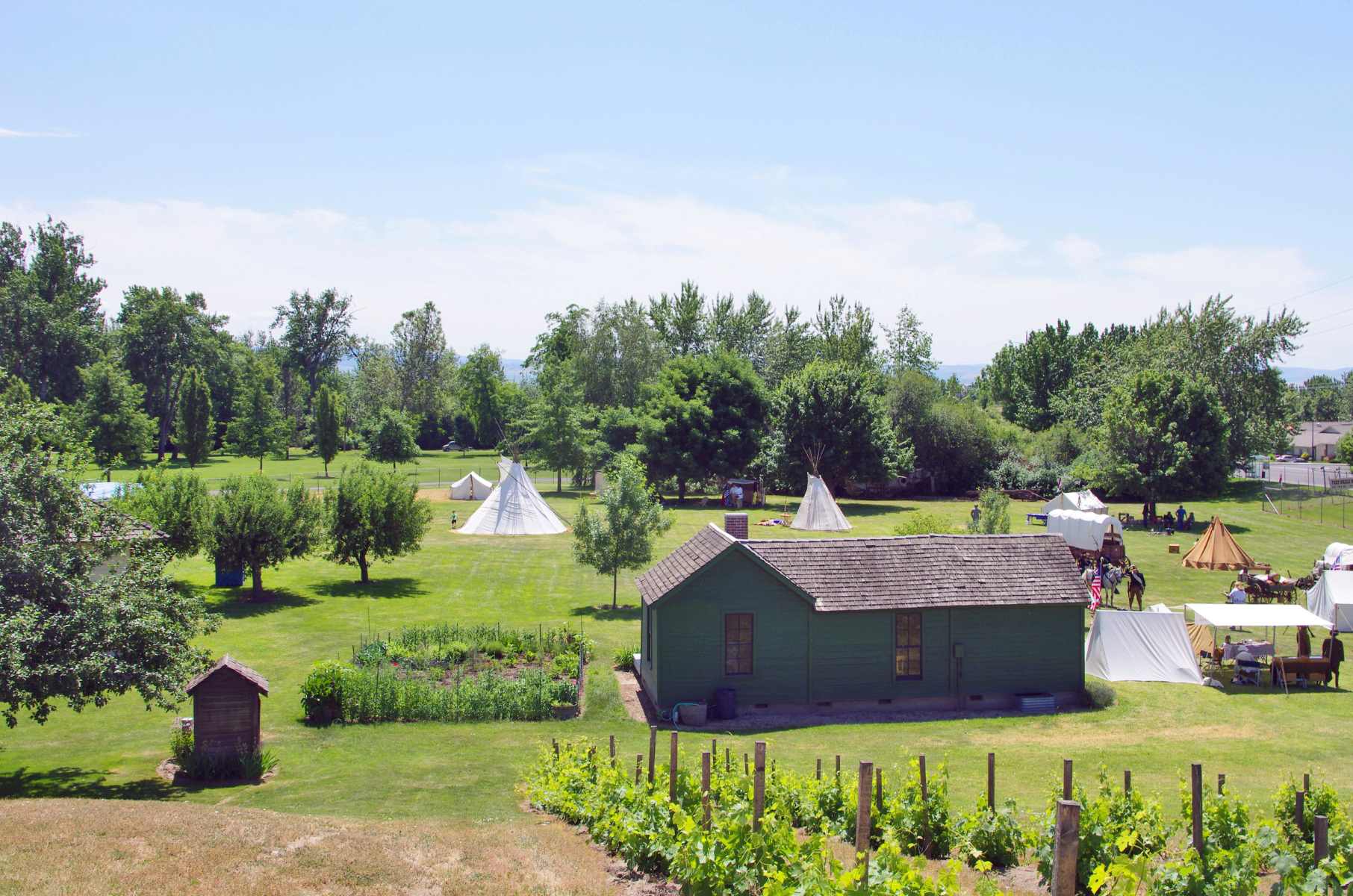
Fort Walla Walla Museum offers a direct look at pioneer life in the American West, with over 50,000 artifacts from the region’s early days. Located in Walla Walla, Washington, the museum displays original pioneer buildings, including a blacksmith shop and a schoolhouse, each with its own story. Visitors can explore the grounds at their own pace, and the museum hosts events and reenactments that bring history to life. For those interested in the area’s deeper mysteries, the site also touches on ghost secrets hidden in Washington, adding another layer to its pioneer past. It’s a straightforward stop for anyone curious about how early settlers actually lived.
Carbon River Railroads
Washington’s Carbon River railroads once hauled coal and timber through rugged terrain, linking remote camps to city markets and fueling regional growth from the late 1800s into the early 1900s. Though the tracks are gone, weathered trestles, grade cuts, and rusted spikes remain scattered along the river corridor, quietly marking a route that shaped the state’s industrial past. For hikers and history buffs alike, these traces offer a tangible connection to the labor and logistics that opened the Cascades. Exploring the old right-of-way reveals not just iron and stone, but the stories of the crews who worked here—a true piece of the "secrets hidden in Washington" that rewards those willing to look beyond the trailhead.
Columbia Hills Trading Routes
The Columbia Hills were once a crossroads of commerce, where traders, explorers, and indigenous communities exchanged furs, food, and tools along well-worn paths. Walking these same trails today means following routes that shaped early economies and cultural connections across the region. The landscape holds more than scenic overlooks—it preserves the memory of ancient trade networks that linked distant groups long before modern roads. These historic paths invite visitors to consider the practical exchanges and human interactions that unfolded here, from seasonal gatherings to long-distance journeys. For those interested in hiking and the outdoors in Washington, the hills offer a chance to trace these old corridors while taking in the same views that guided travelers generations ago. Step onto the trails and you're literally following in the footsteps of history, where every bend in the path carries echoes of the people who moved goods and ideas through this rugged terrain.
Fort Columbia Ruins
Fort Columbia, built in the early 1900s, was a key coastal defense site during both World Wars. Tucked away in the Pacific Northwest, this historic landmark holds some of the best-kept ghost secrets hidden in Washington. Visitors can wander through the remains of bunkers, gun emplacements, and officer quarters, where the past feels close enough to touch. As you walk the grounds, the echoes of soldiers who once stood guard seem to linger in the salty air. It’s a quiet spot, perfect for those who enjoy hiking and the outdoors in Washington, with trails that weave through the ruins and offer sweeping views of the Columbia River. Explore the forgotten corners and imagine the lives of the men who served here.
Iron Horse Remains
Deep in Washington’s forests, the Iron Horse is not a statue or a train you’ll find on tracks—it’s a massive, rusting steam engine abandoned in the woods. This mysterious relic has puzzled hikers for years, becoming a striking landmark for those willing to venture off the beaten path. While its exact origins remain unclear, the engine’s hulking frame, overtaken by moss and time, draws curious explorers eager to see how nature reclaims industry. For those seeking offbeat destinations and attractions in Washington, the Iron Horse offers a tangible piece of the past, though reaching it requires a rugged trek. How it arrived and why it was left are questions that still fuel local legend, making the site as much a mystery as a hiking destination. It’s a rare glimpse into the state’s forgotten machinery, waiting quietly among the evergreens.
Fort Columbia
Tucked into the lush landscapes of the Pacific Northwest, Fort Columbia is a historic site that pairs coastal defense history with sweeping views. Once a bustling military post, it guarded the mouth of the Columbia River during its operational years. Today, you can walk through well-preserved structures—from officer’s quarters to underground bunkers—and picture the daily routines of the soldiers stationed here. Each room and corridor holds traces of that era, inviting quiet reflection. For travelers exploring destinations and attractions in Washington, it’s a stop that rewards curiosity with both scenery and stories. The fort also sits near some of the best beaches in Washington, making it easy to pair history with a coastal stroll.
Columbia Gorge
Beneath the dramatic cliffs and waterfalls of the Columbia Gorge lie the faint traces of ancient trading paths. These routes once connected Native American tribes who exchanged salmon, obsidian, and shells along the river. Walking these trails today, you follow in the footsteps of traders who navigated this corridor centuries before roads existed. The same dense forests and powerful river that guided them still frame the hike, offering a direct link to a time when this landscape was a bustling crossroads. For those seeking hiking and the outdoors in Washington, these historic routes provide both challenge and a quiet sense of the region’s deeper past.
Okanogan Trading Routes
The Okanogan trading routes are among the secrets hidden in Washington, offering more than scenic views. These paths once bustled with fur traders, explorers, and indigenous people, each leaving their mark. Walk the same trails where bartering happened and pioneers sought new beginnings. Ancient petroglyphs and old trading posts mark the way, each with a story. The region’s history is layered into the landscape, from the river valleys to the high plateaus. For those who love hiking and the outdoors in Washington, these routes double as a journey through time. You can trace the footsteps of those who came before, discovering remnants of a vibrant exchange network. It’s a place where the past feels close, inviting you to pause and imagine the transactions and travels that shaped this corner of the state.
Mount Washington
Long before it became a popular destination for adventurers, Mount Washington served as a crucial hub for trade. Ancient paths crisscrossed the mountain, connecting communities and facilitating the exchange of goods. These routes, now mostly forgotten, played a vital role in shaping the region's history, offering a glimpse into the area's deeper past. For those drawn to uncovering the area's quieter lore, this peak also holds its own share of ghost secrets hidden in Washington. As you plan your visit, remember that the mountain is a prime spot for hiking and the outdoors in Washington, where the same trails you tread once carried merchants and their wares. The stories of commerce, culture, and connection have stood the test of time, waiting to be rediscovered on every switchback.
Georgetown - Secrets Of Washington D.C.'s Historic Neighborhood
Georgetown blends history, culture, and modern amenities along its cobblestone streets, a past that reaches back to the 1700s. Stroll past historic Georgetown University or relax at the scenic Georgetown Waterfront Park. The C&O Canal offers a peaceful walk or a boat ride, letting you soak in the area’s charm at a slower pace. These are just a few of the secrets hidden in Washington’s oldest neighborhood—each corner reveals another layer of its storied past. Whether you’re tracing the footsteps of founding figures or simply enjoying the waterfront views, Georgetown rewards those who linger. Ready to uncover the secrets of this historic neighborhood for yourself?
Lost Civil War Bunkers Of Washington D.C. Hidden Wartime Refuges
Washington D.C. holds many secrets from the past, including lost Civil War bunkers. These hidden wartime refuges served as vital shelters and strategic points during one of America's most turbulent times. Imagine walking through the city, knowing that beneath your feet lie remnants of history, untouched for decades. These bunkers, often forgotten, offer a unique glimpse into the lives of soldiers and civilians who sought safety within their walls. Exploring these hidden gems can feel like stepping back in time, providing a tangible connection to the past—part of the broader ghost secrets hidden in Washington that intrigue local historians and visitors alike.
Cape Flattery
Washington’s Cape Flattery hides more than just dramatic coastal views—it guards the remnants of trading posts that once connected Native American tribes and early settlers. These posts were lively exchange points for goods, and today their weathered remains stand quietly along the cliffs, waiting for those who wander off the main trail. The short hike out to the cape rewards you with sweeping ocean vistas, but look closer among the rocks and headlands, and you’ll find traces of that bustling commerce etched into the landscape. For hikers and history buffs alike, this is a spot where the region’s trading past feels close, yet elusive—a true secret hidden in Washington’s remote northwest corner, and a highlight among the state’s hiking and the outdoors in Washington.
Hidden Trading Posts At Fort Casey
While most visitors come for the sweeping views and military bunkers, Fort Casey on Whidbey Island hides a lesser-known layer of history: its trading posts. These tucked-away spots hold artifacts and stories from the fort’s active years in coastal defense, offering a quieter, more personal angle on the site. Wandering beyond the main parade grounds, you can find remnants of these exchange points, where soldiers once bartered for goods and news from the outside world. They’re easy to miss, but they add a tangible sense of daily life to the fort’s imposing architecture. For travelers who enjoy uncovering “secrets hidden in Washington,” these trading posts are a rewarding detour. Keep an eye out for the weathered signage and small exhibits that mark their locations, and you’ll leave with a deeper appreciation for this historic outpost.
Maryland's Fort Washington Military Routes
Fort Washington in Maryland was built to protect the nation's capital, and its military routes reveal more than just Potomac River views. As you walk the paths, the echoes of soldiers who once stood guard feel close—through underground tunnels, ancient cannons, and secret lookout points. Each route carries a story of strategy and defense. The fort’s historical significance is woven into its very layout, a quiet layer of the "secrets hidden in Washington" that extends beyond the capital's monuments. For travelers seeking "destinations and attractions in Washington," this site offers a tangible connection to military history, where the past isn't just displayed but experienced along every step of the old guard routes.
Olympic Range
Washington’s Olympic Range hides traces of ancient trading routes beneath its dense forests and towering peaks. Native tribes and early settlers once moved goods—furs, fish, and berries—along these same paths. Today, hikers can still spot remnants of those old trails. Walking them offers a direct connection to the region’s past, where every bend in the path might reveal a stone cairn or a worn depression left by countless footsteps. For those keen on hiking and the outdoors in Washington, this is a chance to combine rugged adventure with a live history lesson. Grab a map, lace up your boots, and follow the routes that shaped the peninsula’s early economy—no guidebook needed, just a sharp eye for the subtle marks of a bygone era.
Cattle Point Shell Middens
Beneath the surface of Cattle Point lie the shell middens—ancient refuse heaps that reveal how the Coast Salish people lived here for generations. These mounds, packed with shells, animal bones, and discarded tools, are more than just trash; they’re a record of diets, seasonal habits, and social organization. Walking the site today, you can spot these dark, shell-flecked layers in the eroding banks and picture the bustling seasonal camps that once lined the shore. For those exploring the broader coastline, the middens offer a tangible link to the region’s deep past, a quiet counterpoint to the more obvious natural beauty. It’s a reminder that some of the most compelling stories on these beaches in Washington are buried just underfoot, waiting for a curious eye to read their layers.
North Cascades
Hidden trading posts dot Washington's North Cascades, a region of rugged mountains and lush forests that rewards those who wander beyond the usual viewpoints. These small, often-overlooked shops offer more than souvenirs—they hold local crafts, handmade goods, and stories from the area's past. Step inside a cozy post and you might find hand-carved tools, woven textiles, or a weathered journal detailing a trapper's winter. Each item carries the region's character. For travelers seeking hiking and the outdoors in Washington, these stops add a cultural layer to the alpine scenery. They are not marked on big highway signs; you find them by following gravel roads and quiet trailheads. Take time to talk with the owners—their families have often run these posts for generations. It is a chance to connect with the real North Cascades, away from crowded viewpoints.
Fort Simcoe Washington's Trading Secrets
Fort Simcoe in Washington is a hidden gem waiting to be explored, offering one of the state’s most intriguing secrets hidden in Washington’s past. This historic site provides a glimpse into the interactions between Native American tribes and early settlers. Nestled in the beautiful Yakima Valley, Fort Simcoe State Park suits history buffs and nature lovers alike. The park features well-preserved buildings from the mid-1800s, allowing visitors to step back in time. Walking the grounds, you can imagine life over a century ago—from the officers’ quarters to the parade ground. It’s a quiet, reflective stop that combines cultural depth with scenic surroundings, ideal for a slow afternoon of exploration.
Ancient Trading Centers
Washington’s ancient trading centers were more than markets—they were the pulse of community life. Indigenous tribes gathered at these hubs along the coast and inland valleys to exchange handmade crafts, fresh produce, and vibrant textiles. Each region developed its own distinct trading character, shaped by local resources and seasonal routes. Walking through these sites today, you can still sense the echoes of bustling activity and shared stories. For travelers seeking the state’s deeper roots, these locations offer a tangible link to a time when commerce and culture were inseparable. Visit the preserved grounds and let the layout of old pathways hint at the negotiations and gatherings that once defined daily existence here—a quiet counterpoint to modern travel, and one of the true secrets hidden in Washington.
More about Trading Secrets Hidden
- The Secret Underground Tunnels Of Washington, D.C.
- Secrets Of Washington's Ancient Petroglyph Sites
- Hidden Wild Cranberry Bogs Of Washington
- Mysteries Of Washington's Methow Valley Ruins
- Secrets Of Washington's Wenatchee Orchards
- Secrets Of Washington's Rain Valley
- Mysteries Of Washington's Cape Flattery
- Hidden Wonders Of Washington's Olympic Peninsula Rain Shadow
- Hidden Villages In Washington's Methow Valley
- Hidden Wild Garlic Patches In Virginia's George Washington National Forest
- Secrets Beneath Washington's Lake Chelan
- Seattle's Hidden Rooftop Gardens
- Secret Wasabi Farms Of The Olympic Peninsula
- Washington's Rainforests And Their Mossy Secrets
- Washington's Secret Lava Tubes And Volcanic Mysteries
- Secrets Of Washington's Towering Basalt Columns
- 10 Hidden Towns In Washington's Cascade Mountains
- Secret Petrified Wood Locations In Washington
- Hidden Wonders Of Ross Lake National Recreation Area
- Secrets Of Washington's Olympic Range Mines
- Secrets Of Washington's Olympic Peninsula Ghost Towns
- Secrets Of Bald Eagle Nesting In Washington's Skagit River
- Hidden Wonders Of Washington's Alpine Lakes Wilderness
- Mysteries Of Lake Crescent's Devil's Punch Bowl
- Hidden Wild Elderberry Patches Of Washington
- Secrets Of The Griffin Gates On Mount Adams
- Mysterious Glowing Ghost Mushrooms In Washington's Olympic Forests
- 30 Hidden Gems In Cumberland
- Hidden Canal Towns Along The C&O Path
- Mysteries Of Washington's Channeled Scablands
- Hidden Wonders Of Mount Rainier's Wildflower Meadows
- Secrets Behind Washington's Dry Falls
- Mysteries Beneath Washington's Spirit Lake
- Mystery Of Washington's Mystic Lake
- Shadows Of The Sawmills: Hidden Lumber Baron Mansions
- Hidden History Of Washington's Ruby Ghost Town
- Curious Tree Houses Hidden In Washington's Mount Rainier
- Mysteries Of The Olympic Rain Shadow
- Secrets Of Washington's Quinault Valley Nurse Log Forests
- Mysteries Of Washington's Skagit Valley
