

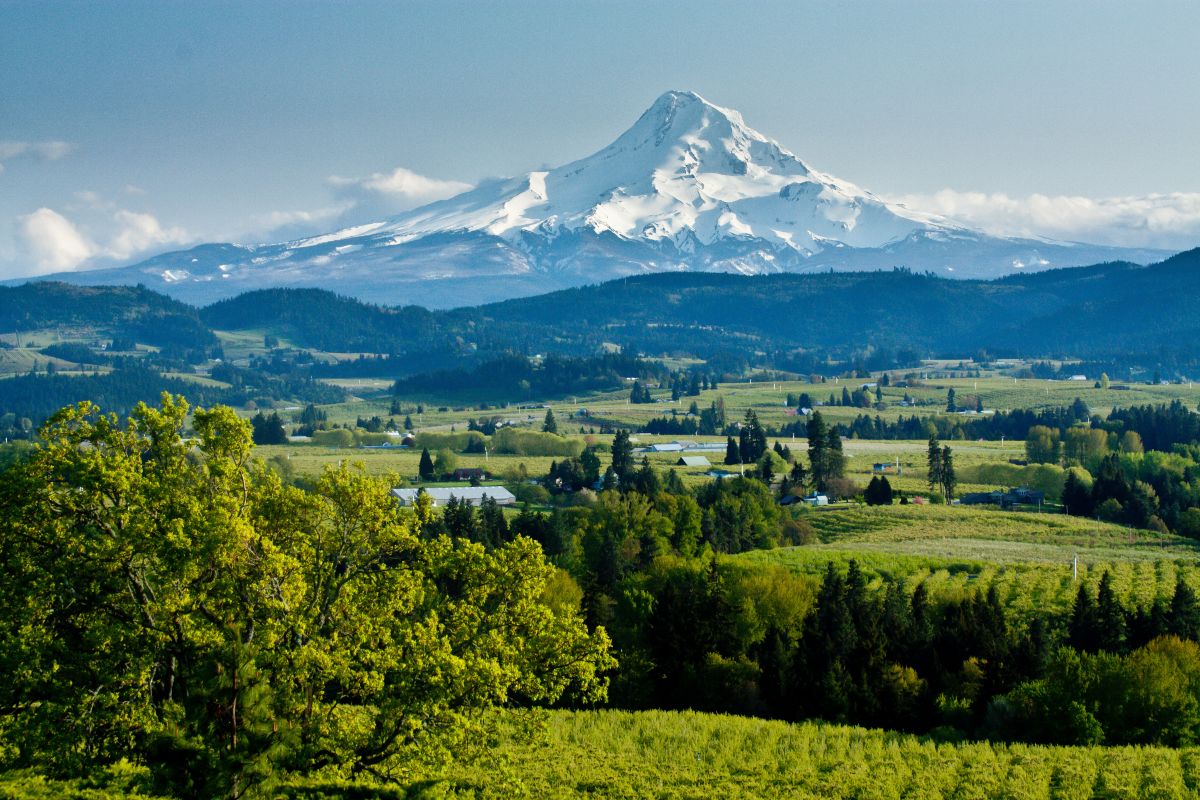
1. Olympic National Park
The park's temperate rainforests and alpine regions provide the conditions for wild elderberries. Two specific areas stand out:
- Hoh Rainforest: The moist environment and rich soil make this one of the best places to find elderberries.
- Hurricane Ridge: Higher elevations here also host elderberry bushes, with scenic views as an added bonus.
2. Mount Rainier National Park
The park's varied terrain offers multiple habitats for elderberries. Key locations include:
- Paradise Meadows: Known for its wildflower displays, the open spaces and abundant sunlight here create a perfect growing environment for elderberry bushes.
- Ohanapecosh: This area's old-growth forests and hot springs support a healthy elderberry population, thanks to the mix of forest and water sources.
3. North Cascades National Park
This rugged, remote area offers some of the best foraging opportunities in Washington. Specific spots include:
- Ross Lake: The shores are lined with elderberry bushes, with clear waters and surrounding forests providing a picturesque setting.
- Cascade Pass: This popular hiking destination is a hotspot for elderberries, as the high elevation and cool climate are perfect for the plants.
4. Gifford Pinchot National Forest
The forest's diverse habitats support a wide range of plant species, including elderberries. Look for them at:
- Trout Lake: The surrounding forests and meadows are teeming with elderberry plants.
- Mount Adams Wilderness: The slopes of Mount Adams are home to numerous elderberry bushes, with the varied terrain and elevation creating ideal growing conditions.
5. Columbia River Gorge
The gorge's mix of forested areas and open spaces provides a perfect habitat for wild elderberries. Two specific locations are:
- Beacon Rock State Park: The trails here, set amid the iconic rock formation and lush forests, offer plenty of opportunities for foraging.
- Dog Mountain: Known for its wildflower displays, the open meadows and forested slopes are ideal for elderberry bushes.
6. San Juan Islands
The islands' mild climate and diverse ecosystems—forest, meadow, and shoreline—support a healthy elderberry population. Key spots include:
- San Juan Island National Historical Park: The park's rich history and beautiful landscapes provide diverse habitats with plenty of foraging opportunities.
- Orcas Island: The varied terrain and mild climate create perfect growing conditions for numerous elderberry bushes.
7. Wenatchee National Forest
The forest's mix of forested areas, meadows, and rivers provides ideal conditions for wild elderberries. Two specific areas are:
- Lake Wenatchee: The shores and nearby trails, surrounded by forests and mountains, offer plenty of foraging opportunities.
- Icicle Creek: The clear waters and lush forests surrounding this scenic creek provide a perfect habitat for elderberry plants.
Finding these elderberry patches is a rewarding experience, as they are often tucked away in less-traveled areas. The search itself is part of the fun, and once you find them, you will be greeted by lush bushes filled with dark, juicy berries. Forage responsibly: take only what you need and leave plenty for wildlife and other foragers. This ensures the patches remain vibrant and productive for years to come.
Related travel guides: Hidden Wild Garlic Patches In Wales, Hidden Wild Elderberry Patches Of Idaho, and Hidden Wild Garlic Patches In Virginia's George Washington National Forest.
