

Part of our Washington guide.
The best time to visit Washington depends on whether you want mild, dry weather for hiking and the outdoors in Washington or clear skies for city exploring. Generally, July through September offers the most reliable sunshine and warm temperatures across the state, while the shoulder months of May, June, and October provide fewer crowds and lower prices.
Related travel guides: When Is The Best Time To Cruise To Bermuda, Best Time To Visit Trip Planning, and 15 Best Canadian National Parks: Things to Do & Best Time to Visit.
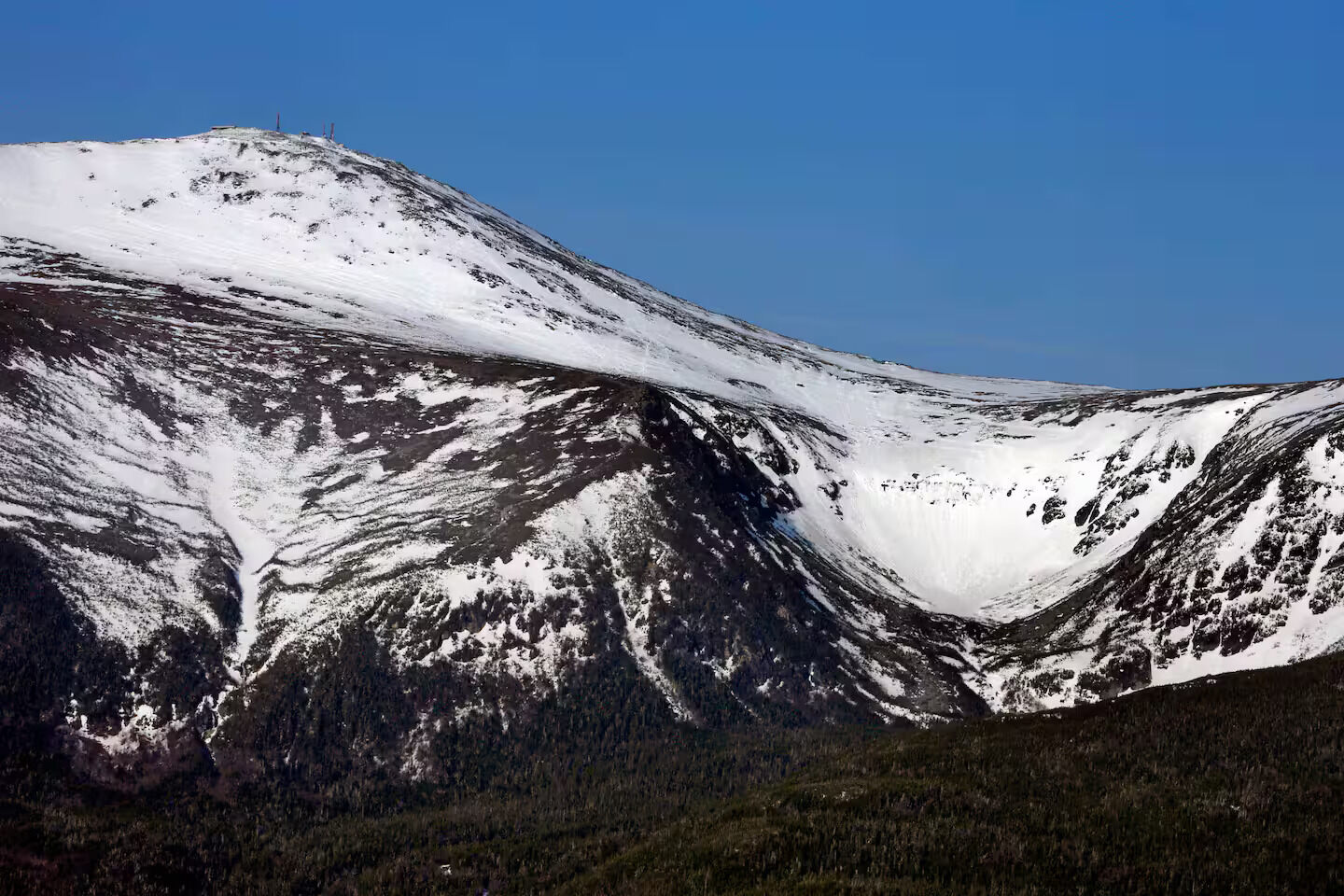
Whispers Of Mount Washington's Weather Mysteries
Have you ever wondered why Mount Washington's weather is so unpredictable? This peak, located in New Hampshire, holds the record for some of the wildest weather in the world. Known for its fierce winds, sudden snowstorms, and rapid temperature drops, Mount Washington keeps even seasoned meteorologists on their toes. The mountain's unique location and elevation create a perfect storm of conditions that can change in the blink of an eye. Ready to learn more about this weather wonder? The Unpredictable Nature of Mount Washington's Weather Mount Washington, located in New Hampshire, is notorious for its extreme and unpredictable weather. For those drawn to the secrets mysteries in Washington, the mountain's weather station has recorded a wind gust of 231 miles per hour—the highest ever measured at a surface weather station. The summit averages 110 days of fog per year, and temperatures have dropped to minus 47 degrees Fahrenheit. These figures come from the Mount Washington Observatory, which has monitored conditions since 1932.
Climate Monitoring In Washington's H.J. Andrews Forest
Have you ever wondered how scientists keep track of climate changes in forests? Andrews Forest, researchers use advanced tools to monitor weather patterns, tree growth, and soil conditions. This forest, part of the Long-Term Ecological Research Network, provides valuable data on how ecosystems respond to climate shifts. By studying this forest, scientists can predict future changes and help protect our natural world. Andrews Forest offers a fascinating glimpse into the efforts to understand and preserve our planet. Secrets of Climate Monitoring in Washington's H.J. The forest covers 16,000 acres in the Cascade Range, and its research plots have been continuously monitored since 1988. Scientists measure everything from snowpack depth to stream chemistry, tracking how the forest responds to seasonal changes and long-term warming trends. For visitors interested in destinations and attractions in Washington, the forest's headquarters near Blue River offers interpretive trails and a visitor center open from June through September.
