

Hidden Treasures Of Virginia’s Colonial Gardens
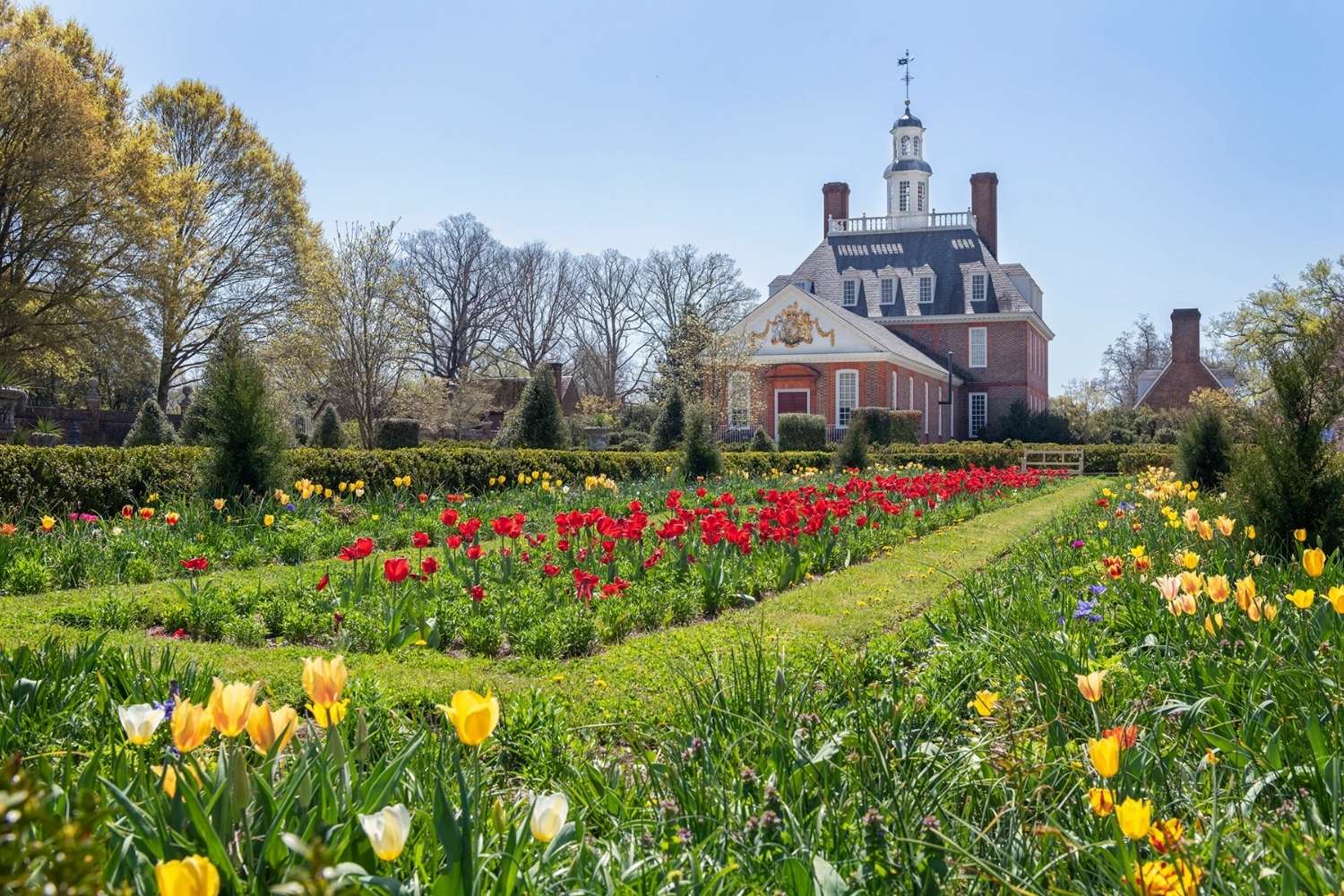
Have you ever wondered about the hidden treasures of Virginia's colonial gardens? These gardens offer a glimpse into the past, showcasing the beauty and history of early American horticulture. From the meticulously maintained grounds of Colonial Williamsburg to the lush landscapes of Mount Vernon, these gardens are a testament to the skill and dedication of early American gardeners. Walking through these spaces, you can almost feel the presence of those who tended them centuries ago. Whether you're a history buff, a gardening enthusiast, or just looking for a peaceful retreat, Virginia's colonial gardens provide a unique and enriching experience.
Discovering Virginia's Colonial Gardens
Virginia's colonial gardens offer a glimpse into the past, showcasing the beauty and functionality of 18th-century horticulture. These gardens, often attached to historic homes, provide a peaceful retreat and a chance to learn about early American life.
Williamsburg's Historic Gardens
Williamsburg, a hub of colonial history, boasts several stunning gardens that transport visitors back in time.
Governor's Palace Gardens: These formal gardens feature intricate boxwood hedges, vibrant flowers, and a maze. The layout reflects the grandeur of the Governor's residence.
Colonial Garden and Nursery: This working garden demonstrates 18th-century gardening techniques. Visitors can see heirloom vegetables, herbs, and flowers used during colonial times.
Mount Vernon's Expansive Grounds
George Washington's estate, Mount Vernon, is not only a historic home but also a horticultural masterpiece.
Upper Garden: This garden showcases a mix of ornamental and practical plants. Washington designed it to impress guests with its beauty and bounty.
Lower Garden: Focused on vegetables and herbs, this garden provided food for the estate. It highlights the importance of self-sufficiency in colonial times.
The Gardens of Monticello
Thomas Jefferson's Monticello is renowned for its innovative garden designs and diverse plantings.
West Lawn: This area features ornamental plants and a sweeping view of the surrounding landscape. Jefferson's love for botany is evident in the variety of species.
Vegetable Garden: Jefferson experimented with numerous crops here. The garden's terraces and layout reflect his scientific approach to agriculture.
Hidden Gems in Smaller Estates
Beyond the famous sites, smaller estates in Virginia also offer charming colonial gardens worth visiting.
Gunston Hall: Home of George Mason, this estate features a garden with geometric patterns and a variety of plants. The design reflects Mason's interest in Enlightenment ideals.
Kenmore Plantation: This garden, part of the home of Fielding Lewis and Betty Washington Lewis, includes beautiful flower beds and a kitchen garden. It provides insight into the daily life of a colonial family.
Gardens of Historic Jamestowne
Jamestowne, the first permanent English settlement in America, has gardens that tell the story of early colonial life.
Archaearium Garden: This garden showcases plants used by the early settlers for food and medicine. It offers a glimpse into the challenges faced by the first colonists.
Jamestown Settlement Gardens: These gardens recreate the agricultural practices of the Powhatan Indians and English settlers. They highlight the exchange of knowledge between the two cultures.
Discover Virginia's Colonial Gardens
Virginia's colonial gardens offer a unique glimpse into the past. These gardens showcase the beauty and history of early American horticulture. From the meticulously maintained grounds of Colonial Williamsburg to the lush landscapes of Mount Vernon, each garden tells a story. Visitors can enjoy the vibrant flowers, aromatic herbs, and towering trees that once provided sustenance and beauty to early settlers.
Exploring these gardens is not just about admiring the plants. It's about understanding the lives of those who tended them. The gardens were essential for food, medicine, and even social gatherings. They reflect the ingenuity and resilience of the people who lived during colonial times.
Whether you're a history buff, a gardening enthusiast, or just looking for a peaceful retreat, Virginia's colonial gardens have something to offer. Plan your visit and step back in time to experience the charm and history of these hidden treasures.
