

Secrets Of Vermont’s Waterfall Ecosystem Research
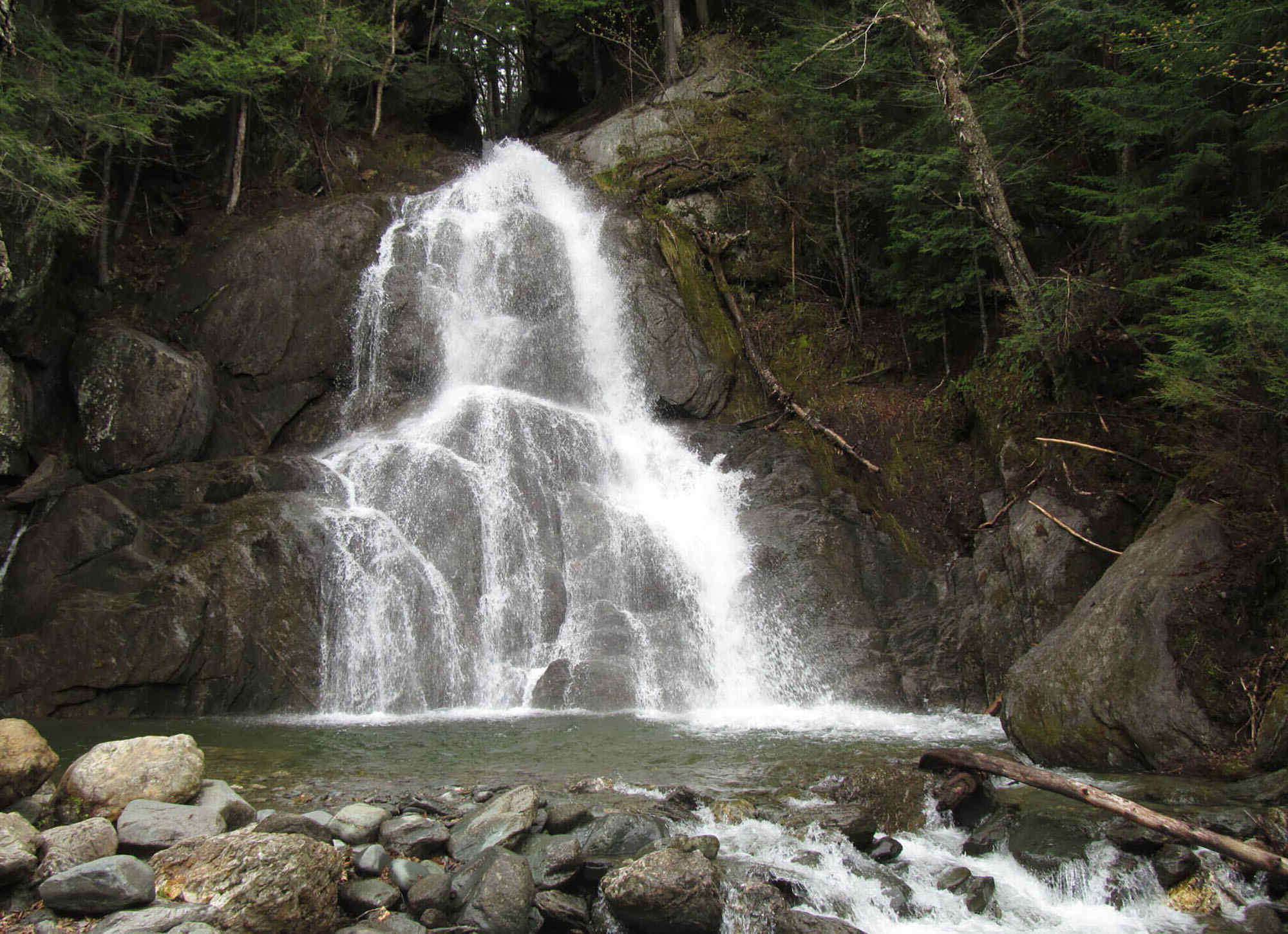
Have you ever wondered what makes Vermont's waterfalls so special? These natural wonders are more than just beautiful sights; they are vital parts of the ecosystem. Vermont's waterfalls support diverse plant and animal life, creating unique habitats. From moss-covered rocks to the clear pools below, each part of a waterfall plays a role in sustaining life. Researchers study these areas to understand how water flow, temperature, and surrounding vegetation interact. This knowledge helps protect these ecosystems for future generations. Join us as we explore the secrets behind Vermont's stunning waterfalls and their crucial role in nature.
Discovering Vermont's Hidden Waterfalls
Vermont, known for its picturesque landscapes, hides many secrets within its lush forests. Among these secrets are stunning waterfalls that not only captivate visitors but also play a crucial role in the ecosystem. Let's dive into some of the most enchanting waterfalls in Vermont and uncover their ecological significance.
1. Moss Glen Falls
Moss Glen Falls, located in Stowe, is a breathtaking sight. This waterfall cascades down a series of rocky steps, creating a mesmerizing display of water and mist. But beyond its beauty, Moss Glen Falls supports a diverse range of plant and animal life. The constant flow of water creates a moist environment ideal for mosses, ferns, and other moisture-loving plants. These plants, in turn, provide habitat and food for various insects and small animals.
2. Lye Brook Falls
Lye Brook Falls, nestled in the Green Mountain National Forest, is one of Vermont's tallest waterfalls. The 125-foot drop creates a powerful flow that shapes the surrounding landscape. The waterfall's misty environment supports a unique microhabitat where rare plant species thrive. Additionally, the constant movement of water helps to oxygenate the stream, benefiting fish and other aquatic organisms.
3. Bingham Falls
Bingham Falls, a hidden gem in Smugglers' Notch, offers a serene escape into nature. The waterfall's cool, shaded pool is a popular spot for visitors to cool off during the summer. However, Bingham Falls also plays a vital role in the local ecosystem. The waterfall's plunge pool provides a habitat for amphibians like frogs and salamanders. The surrounding forest, kept moist by the waterfall's spray, supports a rich diversity of plant life.
4. Thundering Brook Falls
Thundering Brook Falls, located near Killington, lives up to its name with a powerful, thunderous flow. This waterfall is part of the Appalachian Trail, making it a popular stop for hikers. The force of the water helps to carve out deep pools and channels, creating diverse habitats for fish and other aquatic species. The surrounding area is also home to various bird species that rely on the waterfall's ecosystem for food and shelter.
5. Hamilton Falls
Hamilton Falls, found in Jamaica State Park, is a stunning multi-tiered waterfall. The falls' unique structure creates a series of pools and cascades, each with its own microhabitat. These pools provide breeding grounds for insects and amphibians, while the surrounding rocks offer nesting sites for birds. The constant flow of water also helps to distribute nutrients throughout the ecosystem, supporting a wide range of plant and animal life.
6. Warren Falls
Warren Falls, located in the Mad River Valley, is a popular spot for swimming and picnicking. The waterfall's series of cascades and pools create a dynamic environment where different species can thrive. The constant movement of water helps to prevent stagnation, ensuring a healthy habitat for fish and other aquatic organisms. The surrounding forest, kept lush by the waterfall's spray, supports a diverse range of plant and animal life.
7. Texas Falls
Texas Falls, situated in the Green Mountain National Forest, is a picturesque waterfall that offers a glimpse into Vermont's natural beauty. The waterfall's powerful flow helps to shape the landscape, creating deep pools and channels that support a variety of aquatic species. The surrounding area is also home to a rich diversity of plant life, including rare and endangered species that rely on the waterfall's unique microhabitat.
8. Bartlett Falls
Bartlett Falls, located in Bristol, is a popular destination for both locals and tourists. The waterfall's wide, cascading flow creates a stunning visual display, but its ecological significance goes beyond its beauty. The constant movement of water helps to oxygenate the stream, benefiting fish and other aquatic organisms. The surrounding forest, kept moist by the waterfall's spray, supports a diverse range of plant and animal life.
9. Falls of Lana
Falls of Lana, found in the Moosalamoo National Recreation Area, is a hidden gem that offers a peaceful retreat into nature. The waterfall's multi-tiered structure creates a series of pools and cascades, each with its own unique microhabitat. These pools provide breeding grounds for insects and amphibians, while the surrounding rocks offer nesting sites for birds. The constant flow of water also helps to distribute nutrients throughout the ecosystem, supporting a wide range of plant and animal life.
10. Bridal Veil Falls
Bridal Veil Falls, located in the town of Manchester, is a stunning waterfall that lives up to its name with a delicate, veil-like flow. The waterfall's misty environment supports a unique microhabitat where rare plant species thrive. Additionally, the constant movement of water helps to oxygenate the stream, benefiting fish and other aquatic organisms. The surrounding area is also home to various bird species that rely on the waterfall's ecosystem for food and shelter.
Embracing Vermont's Waterfall Wonders
Vermont's waterfalls offer more than just scenic beauty. They are vital to the ecosystem, supporting diverse plant and animal life. These natural wonders help maintain water quality, provide habitats, and even influence local climate patterns. Exploring these waterfalls not only gives a sense of adventure but also deepens appreciation for nature's intricate balance. Whether hiking to Moss Glen Falls or marveling at the cascades of Lye Brook Falls, each visit reveals something unique. Protecting these sites ensures future generations can enjoy and learn from them. So next time you're in Vermont, take a moment to appreciate the waterfalls' role in the environment. They are more than just picturesque spots; they are lifelines for the ecosystem. Embrace the beauty, respect the environment, and let Vermont's waterfalls inspire you.
